
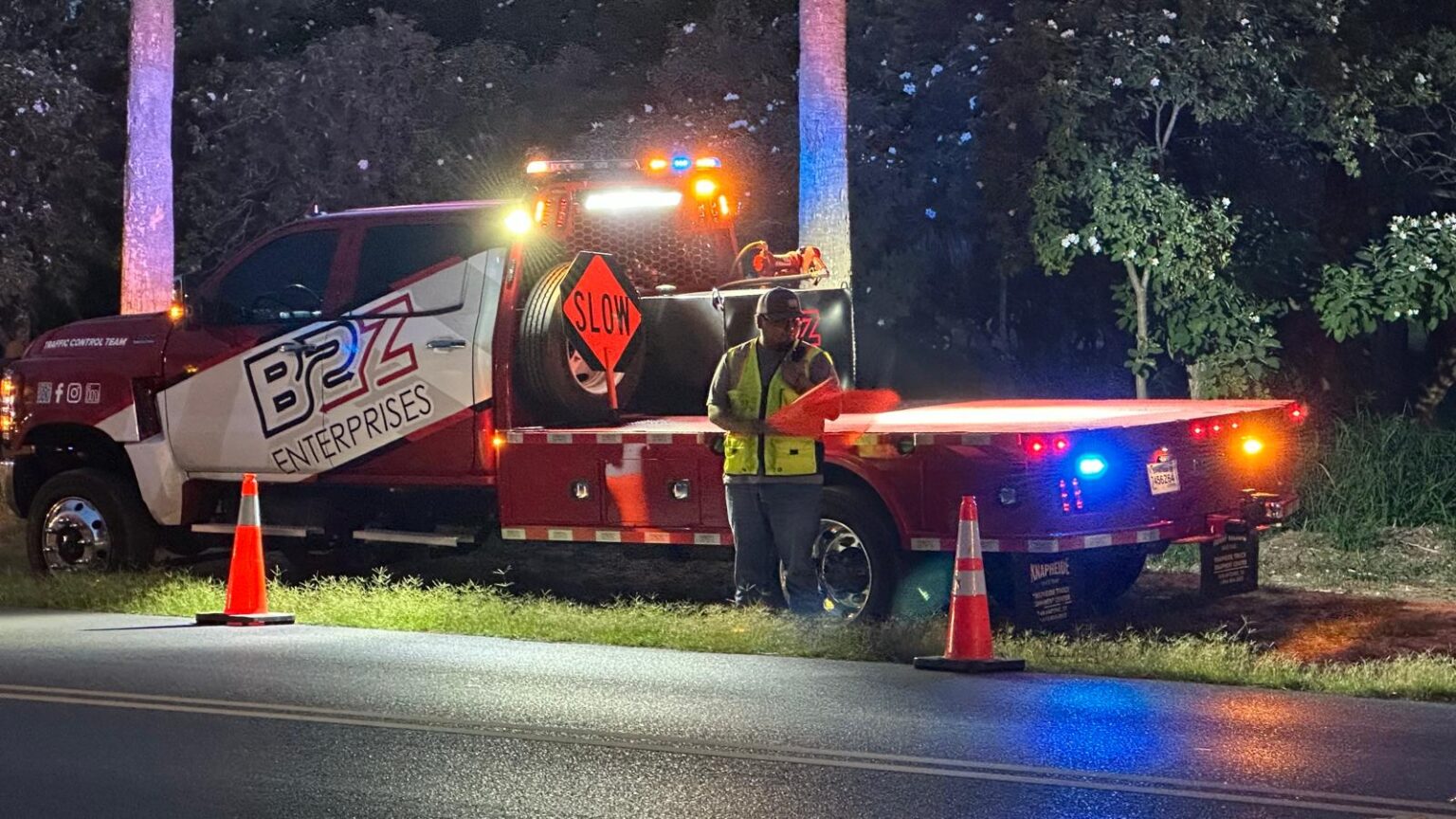
Top Places in Roma, TX for Lane Closure Services — Expert Guide
Lane closure services in Roma, TX involve temporary traffic control plans (TTCPs) and maintenance of traffic (MOT) strategies tailored to the unique demands of a border community where US 83 meets international port-of-entry traffic. Because Roma’s road network mixes high-speed commercial freight with residential school zones and busy retail corridors, getting lane closures right means the difference between a project that stays on schedule and one that creates gridlock or, worse, a safety incident.
What Makes Lane Closure Services Critical for Roma, TX’s Unique Road Network?
Lane closure services fall under the broader umbrella of traffic control and work zone safety, and they include flagging operations, placement of temporary traffic control devices (cones, barrels, signs, portable signals), and the development of a Temporary Traffic Control Plan (TTCP) that meets TxDOT and MUTCD standards. For Roma, the stakes are higher than in many communities because of three factors: the volume of cross-border commercial traffic on US 83 / Expreso Cristóbal Colón, the narrow residential streets in neighborhoods like Las Lomitas and Roma Creek, and the concentration of public facilities—schools, the municipal center, and the Roma International Bridge—within a compact area.
When a contractor or utility company plans work that blocks a lane, they are legally required to submit a TTCP that accounts for speed limits, pedestrian access, emergency vehicle routes, and peak-hour volume. At B2Z Enterprises, we build every plan from a site-specific analysis of the road geometry and traffic patterns. A plan that works on a four-lane divided highway in San Antonio will fail on two-lane FM 650 in Roma, where school drop-off traffic spills onto the same road as produce trucks heading to the Rio Grande Valley Produce Exchange.
Which Roma Highways and Roads Need Lane Closures Most Often?
Not all roads in Roma are equal when it comes to lane closure frequency. Based on our work alongside utility companies, municipal contractors, and private developers, here are the routes that require the most attention.
Trusted McAllen, TX
Edinburg, TX
Pharr, TX
San Juan, TX
Alamo, TX
Donna, TX
Weslaco, TX
Mercedes, TX
Harlingen, TX
San Benito, TX
Brownsville, TX
Rio Grande City, TX
Roma, TX
La Joya, TX
Palmview, TX Service Provider
B2Z Enterprises delivers professional results backed by experience. Contact us to discuss your needs.
Contact Usor call 956-585-3773
How Often Does US 83 / Expreso Cristóbal Colón Require Lane Closures?
US 83 is the primary north-south artery through Roma, carrying commuters, school buses, and heavy trucks to and from the Roma International Bridge. Lane closures here are common during fiber-optic cable deployment, drainage improvements, and bridge approach maintenance. Because speed limits are higher and traffic volume is steady from early morning until late evening, advanced warning signage and taper lengths must follow TxDOT standards for high-speed roadways. We typically recommend portable variable message signs upstream of the work zone to give drivers time to merge.
What About FM 650 / Grant Street and FM 2294 / Veterans Boulevard?
FM 650 connects Roma’s residential neighborhoods to the retail core near Walmart and H-E-B, while FM 2294 serves the industrial park and the healthcare facilities near the south end of town. Both roads see frequent utility work—water line replacements along El Faro Drive, sewer upgrades in the Roma Creek neighborhood, and gas line installations by the utility corridors near Roma High School. The challenge here is maintaining two-way traffic on roads that are only two lanes wide. Flagging operations are often the best solution, with trained flaggers alternating direction of travel through the work zone.
Which Intersection Creates the Highest Risk During Lane Closures?
The intersection of US 83 and FM 650 is a known trouble spot. During utility work or turn-lane construction, this intersection becomes a high-crash potential zone because of the mix of left-turning traffic, through traffic, and pedestrians crossing to reach bus stops and retail entrances. Any lane closure plan for this intersection must include pedestrian detours that comply with ADA requirements and advanced warning for all approaches.
Where Do Utility Installations Most Often Require Traffic Control in Roma?
Professional Flagging Services Solutions
B2Z Enterprises offers expert guidance on Flagging Services. Reach out to learn more.
Utility work is the single largest driver of lane closure service requests in Roma. Based on projects we’ve supported, the most common locations include:
- Water and sewer line projects along Grant Street and El Faro Drive. These often require trenching across the travel lane, which means full lane closures with detours for through traffic.
- Electric utility upgrades near Roma High School and the Civic Center. Utility poles and transformers are being replaced as the city grows, and these projects require lane closures during off-peak hours to avoid disrupting school schedules.
- Gas line installations in the Roma Creek neighborhood. Narrow streets here mean that even a partial lane closure can block access for residents. We coordinate closely with homeowners to maintain driveway access.
- Fiber-optic cable deployment along the US 83 corridor. Broadband expansion has accelerated across Starr County, and fiber crews need lane closures to install conduit and pull cable. These are often mobile work zones that move several hundred feet per day, so the TTCP must be updated daily.
For each of these scenarios, we develop a TTCP that specifies the type of closure, the timing (usually 9 a.m. to 3:30 p.m. to avoid school traffic), and the public notification strategy. We’ve seen too many projects run into trouble because the plan didn’t account for a local event or a school bus route—common lane closure mistakes in Roma that can shut down a project entirely.
Which Schools and Public Facilities in Roma Require Temporary Lane Closures?
Roma is a community where schools and public buildings sit close to major roads, so lane closures near these facilities demand extra coordination.
How Do Lane Closures Affect Roma High School and Emma Vera Elementary?
Roma High School and Emma Vera Elementary generate concentrated traffic during drop-off and pick-up windows. Any lane closure near these schools must avoid the 7:15–8 a.m. and 3–4 p.m. windows. We work with the Roma Independent School District to schedule closures during school hours when parking lot flow is minimal, and we always provide flaggers at the school driveways to prevent conflicts between car queues and work zone traffic.
What About the Roma Municipal Center and St. Joseph’s Church?
The Roma Municipal Center and Police Station need clear access for emergency vehicles at all times. Our TTCP for any work near these buildings includes a dedicated emergency vehicle access lane that is never blocked. St. Joseph’s Church sees weekend traffic surges for services and events, so lane closures are planned Friday to Monday only if absolutely necessary, and we typically reopen all lanes by Saturday morning.
What Commercial and Residential Zones in Roma Need Lane Closure Services?
Beyond the major roads and public facilities, specific zones in Roma require specialized lane closure planning.
How Do You Handle Lane Closures at Roma Town Center and the Retail Core?
Roma Town Center—anchored by Walmart, H-E-B, and a strip mall with local businesses—generates high traffic volumes, especially on weekends. Lane closures here require multi-lane strategies that keep at least one lane open in each direction and maintain access to every business entrance. We use portable traffic signals at key intersections to manage flow when flaggers aren’t sufficient.
What Challenges Do Las Lomitas and Roma Creek Present?
Las Lomitas and El Faro residential subdivisions have narrow streets with limited shoulder space. In these areas, a lane closure can block access for residents unless we create an alternate route plan. For a recent project in Roma Creek, we coordinated with the city to provide residents with a clearly marked detour route and 48-hour advance notice.
How Does the Roma Industrial Park Affect Lane Closure Planning?
The Roma Industrial Park, located near FM 2294, handles heavy truck traffic for manufacturing and logistics operations. Lane closures here must account for truck turning radii and loading dock access. We use larger signs and longer taper zones to give truck drivers enough space to merge, and we schedule closures to avoid peak shipping hours between 10 a.m. and 2 p.m.
How Should Lane Closures Be Handled Near the Roma International Bridge and Border?
The Roma International Bridge approach is one of the most complex work zone environments in the region. Here, pedestrian and vehicle flows mix as people walk across the border and drivers queue for customs inspection. A lane closure in this area requires coordination with Customs and Border Protection and the City of Roma to ensure that security access points remain open and that pedestrian routes are clearly marked and ADA-compliant.
Flagging protocols for left-turn lanes near the border crossing are especially critical. Drivers unfamiliar with the area may not expect a work zone, so we use advance warning signs in both English and Spanish and position flaggers at the turn lane entrance to guide drivers into the correct lane. We also create emergency vehicle access plans for the fire and EMS stations located on US 83, so that responders can bypass the work zone if needed.
What Should You Look for When Hiring Lane Closure Services in Roma?
Choosing a lane closure service provider in Roma isn’t just about finding the lowest bid. Here’s what we recommend contractors and city officials evaluate:
- Local knowledge of Roma’s street grids, peak hours, and event calendars. A provider who doesn’t know that the Roma Fiesta parade route closes parts of the downtown plaza will create a plan that fails immediately.
- Certifications and pre-qualification. Look for ATSSA-trained personnel, TxDOT pre-qualification for traffic control, and flagger certification. B2Z Enterprises holds all of these credentials and our crews recertify annually.
- Equipment availability. Portable traffic signals, variable message boards, barrier systems, and enough signage to cover a long corridor. We maintain a full fleet of equipment staged at our yard in Mission, TX (900 S. Stewart Road. Ste 12), so we can deploy to Roma quickly.
- A track record with utility companies and capital improvement projects. Ask for references from water districts, electric cooperatives, or city public works departments. We’ve supported multiple projects for the City of Roma’s capital improvement program.
- Integration with broader work zone safety solutions. Intrusion alarms, speed feedback signs, and work zone cameras reduce risk. We bundle these into our service packages because a lane closure is only safe if workers and drivers are both protected.
For a deeper look at what separates a compliant plan from one that gets shut down, read our guide on TTCP compliance for municipal utility projects, which covers principles that apply directly to Roma’s infrastructure work.
How Do You Plan a Lane Closure for a Festival or Event in Roma?
Special events in Roma—like the Roma Fiesta / Diez y Seis celebration, the Roma Harvest Festival, and high school football games at Roma Rattlers Stadium—create temporary traffic patterns that require a completely different type of lane closure plan.
For parades and festivals, we design a TTCP that closes specific streets around the plaza while maintaining detour routes for through traffic. The permit process goes through both the City of Roma and Webb County, and we handle the paperwork so the event organizer doesn’t have to. Public notification is critical: we deploy digital message boards three days before the event, coordinate with local media, and post on social media channels so residents know which streets will be closed and when.
For football game nights, the challenge is managing the surge of traffic leaving the stadium. We position flaggers at key intersections around the stadium to clear the parking lot quickly and get fans onto US 83 without creating a backup that spills into the surrounding neighborhoods.
| Factor | Short-Term Utility Closure (1–3 days) | Long-Term Construction Closure (weeks to months) |
|---|---|---|
| Typical locations | Roma Creek, El Faro Drive, FM 650 | US 83 corridor, Roma Town Center |
| TTCP complexity | Moderate – one or two lanes affected | High – multiple phases, detour routes |
| Equipment needed | Cones, signs, flaggers, portable signals | Barriers, variable message boards, intrusion alarms, speed feedback signs |
| Permitting | City of Roma utility permit | TxDOT permit + City of Roma approval |
| Public notification | 48-hour advance notice to residents | 7-day advance notice + ongoing updates |
| Pedestrian considerations | Basic detour path | ADA-compliant reroute with signage |
| Emergency vehicle access | Flaggers clear path on request | Dedicated access lane maintained |
Want results like this? B2Z Enterprises can help.
What Standards and Regulations Govern Lane Closures in Roma?
Every lane closure we execute in Roma follows the framework established by the Texas Department of Transportation and the Federal Highway Administration’s Manual on Uniform Traffic Control Devices (MUTCD). Specific standards include TxDOT’s Lane Closure Information page for state highway work, TxDOT’s Standard Specifications for Road and Bridge Construction (Item 502), and the Texas MUTCD rules for temporary traffic control zones. For work on local streets, the City of Roma requires a permit application and approval from the public works department, which we handle as part of our service.
The Texas A&M Transportation Institute has published research on work zone safety in border communities that highlights the importance of bilingual signage and advanced warning for drivers unfamiliar with local roads. We incorporate these findings into every plan we write for Roma.
Why B2Z Enterprises Is the Traffic Control Partner Roma Trusts
Lane closures in Roma require a provider who knows the roads, the regulations, and the rhythm of the community. At B2Z Enterprises, we bring experience working with utility companies, contractors, and the City of Roma on projects ranging from emergency water line repairs to multi-week fiber installations along US 83. Our crews are ATSSA-certified, TxDOT pre-qualified, and trained to handle the specific challenges of border-adjacent traffic control. Whether you’re working in Las Lomitas, near the Roma International Bridge, or at the intersection of US 83 and FM 650, we build plans that keep traffic moving, workers safe, and projects on schedule. Call 956-585-3773 to discuss your next project.
Have a specific question? Our team at B2Z Enterprises is here to help.
Frequently Asked Questions About Lane Closures in Roma, TX
What is the difference between a MOT plan and a TTCP?
A Maintenance of Traffic (MOT) plan is the broader strategy for keeping traffic flowing through a work zone, while a Temporary Traffic Control Plan (TTCP) is the specific document that details the signage, barriers, flagging positions, and pedestrian routes required for a given project. In Texas, a TTCP is required for any project that blocks a lane on a state highway or local street.
How far in advance do I need to submit a lane closure permit in Roma?
For work on state highways (US 83), the TxDOT permit application should be submitted at least 10 business days before the planned closure. For local streets, the City of Roma public works department requires a minimum of 5 business days. We recommend starting the process 2–3 weeks early to account for review time and any requested revisions.
Can lane closures happen at night in Roma to avoid traffic?
Yes. Nighttime lane closures are often the best option for high-traffic roads like US 83. However, nighttime work requires additional lighting, reflective signage, and flagger visibility gear that meets TxDOT standards. We regularly deploy night work crews for utility projects that need to minimize daytime disruption.
What happens if my lane closure plan doesn’t account for the Roma Fiesta or another local event?
If your TTCP doesn’t account for a major local event, the City of Roma can halt your work and require a revised plan. This is one of the most common mistakes we see. Our team checks the city events calendar and the school district schedule before finalizing any plan, and we build in contingency timing for unexpected events.
Do I need a separate TTCP for work on private property near a public road?
Yes. If the work zone affects any part of the public right-of-way—including sidewalks, shoulders, or travel lanes—a TTCP is required. Even work that takes place entirely on private property may need a lane closure permit if construction vehicles block traffic while entering or exiting the site.
How do you ensure pedestrian safety near the Roma International Bridge during a lane closure?
Pedestrian safety near the bridge is handled with separate, clearly marked walkways that comply with ADA standards. We use portable pedestrian barriers to separate foot traffic from vehicle traffic, and we position flaggers at the crosswalk approaches to guide pedestrians around the work zone. All signs include Spanish text, and we coordinate with CBP to ensure border crossing routes remain open.
Schedule Your Consultation
B2Z Enterprises — Professional service, proven results.