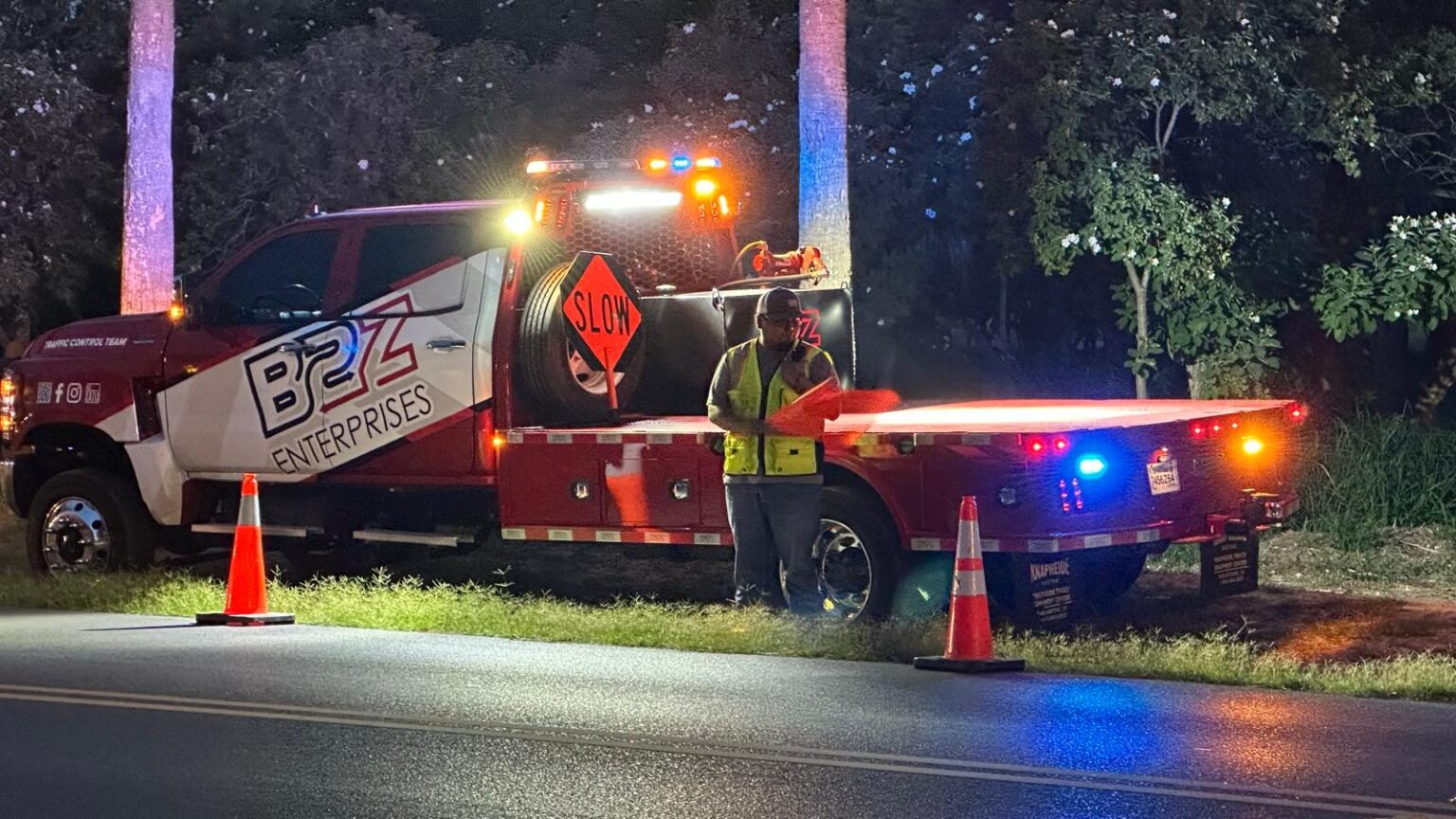

Hello from B2Z Enterprises! 👋
Top Places in San Antonio for Highway Maintenance Traffic Control Services — Expert Guide
San Antonio’s sprawling highway network—anchored by I-10, I-35, Loop 1604, and US 281—demands professional traffic control services that keep work zones compliant with TxDOT and MUTCD standards while minimizing disruption for drivers. Whether you’re planning a lane closure near The Rim or a utility cut on a downtown street, knowing where to deploy flagging services and Temporary Traffic Control Plans (TTCPs) can make or break your project timeline and budget. This guide maps the highest-need corridors and neighborhoods in San Antonio and explains how B2Z Enterprises delivers the specialized work zone safety solutions each location requires.
What Makes San Antonio a Unique Market for Highway Maintenance Traffic Control?
San Antonio is the seventh-largest city in the U.S., and its population has grown by more than 12 percent over the last decade, according to data cited by KSAT 12 News San Antonio. That growth drives constant infrastructure work on aging highways and new utility connections in developing suburbs. Unlike smaller markets where traffic control may be a one-person flagging operation, San Antonio projects often require multi-lane closures, nighttime work zones, and coordination with multiple agencies such as TxDOT, CPS Energy, and SAWS.
The sheer volume of vehicles on routes like I-35—a major NAFTA trade corridor—means that even a brief lane closure can create ripple effects for miles. This is not a market where improvisation works. MOT plans must be precise, flaggers must be certified, and every TTCP must meet the specific requirements of the Texas Manual on Uniform Traffic Control Devices (TMUTCD). Our team at B2Z Enterprises, based at 900 S. Stewart Road. Ste 12, Mission, TX, has made it our business to understand these local dynamics inside and out.
Another factor that sets San Antonio apart is the mix of historic downtown streets, high-speed suburban arterials, and sprawling construction zones along Loop 1604. Each setting requires a different approach to work zone safety. A lane closure on a narrow downtown street near the River Walk is fundamentally different from a full freeway closure on US 281 during peak hours. That is why we tailor every plan to the specific corridor and neighborhood—not just to a generic checklist.
📞
Hey there! Need help in McAllen, TX
Edinburg, TX
Pharr, TX
San Juan, TX
Alamo, TX
Donna, TX
Weslaco, TX
Mercedes, TX
Harlingen, TX
San Benito, TX
Brownsville, TX
Rio Grande City, TX
Roma, TX
La Joya, TX
Palmview, TX?
We’re your neighbors at B2Z Enterprises — always happy to chat!
Call us directly at 956-585-3773
Which Highways in San Antonio Require the Most Expert Traffic Control?
Not all highways are created equal when it comes to traffic control complexity. Based on our work across the city, these four corridors demand the highest level of expertise—and the most robust TTCP and flagging services.
I-10 (Katy Freeway Corridor) – Lane Closures and Utility Work
The I-10 corridor through San Antonio handles heavy commuter traffic and frequent utility relocations tied to ongoing development. Lane closures here must be carefully phased to avoid snarls that back up onto frontage roads. We have deployed flagging teams for nighttime utility cuts near the intersection with Loop 1604, where traffic volumes exceed 200,000 vehicles per day on some segments. Every closure requires a detailed MOT plan that accounts for merge distances, taper lengths, and buffer zones as specified in Part 6 of the MUTCD.
I-35 (NAFTA Route) – High-Volume Lane Shift Projects
I-35 is the backbone of cross-border trade, carrying thousands of trucks daily. Lane shift projects on this corridor—whether for pavement rehabilitation or bridge widening—cannot afford confusion. Temporary traffic control plans here must include advanced warning signs, channelizing devices, and variable message boards that give drivers adequate time to react. One misaligned taper can cause a crash that shuts down the corridor for hours. We approach every I-35 project with the highest level of scrutiny.
Loop 1604 – Expansive Construction Zones and Flagging Needs
Loop 1604 is undergoing a massive multi-year expansion, with construction zones stretching for miles. Flagging services on this loop are critical because of the mix of high-speed traffic and merging construction vehicles. We have worked on segments near the intersection with Lockhill-Selma Road where temporary lane shifts required constant monitoring and adjustment. The Texas A&M Transportation Institute has documented that work zone crashes increase significantly when flagging is inconsistent or poorly executed—a risk we eliminate through rigorous crew training and supervision.
US 281 – Commuter-Heavy Route Requiring Temporary Traffic Control Plans
US 281 is the primary north-south commuter artery for residents of Stone Oak and northern suburbs. Any work zone here must account for peak-hour volumes that push 150,000 vehicles daily. Temporary traffic control plans on US 281 often require night closures with full road closures and detours. We develop TTCPs that comply with TxDOT standards while minimizing delay for the thousands of drivers who rely on this route every day.
How Do Temporary Traffic Control Plans (TTCP) Improve Safety on San Antonio Roads?
📞
Got questions about Temporary Traffic Control Plans (TTCP)?
No worries! B2Z Enterprises is just a call away. We love helping our neighbors.
A TTCP is not just paperwork—it is the blueprint for every cone, sign, and flagger on your work zone. In San Antonio, where work zones are often located on high-speed, high-volume roads, a poorly designed plan can lead to crashes, fines, and project shutdowns. The Federal Highway Administration (FHWA) requires that every work zone on a federal-aid highway have a TTCP that addresses traffic control devices, worker safety, and incident management.
We design TTCPs that go beyond the minimum requirements. For example, on a recent project near the San Antonio International Airport, our plan included advanced warning signs placed at distances specified in the TMUTCD, temporary barrier systems rated for the posted speed limit, and flagger stations positioned to give drivers clear guidance through a complex merge. The result was a work zone with zero incidents over the three-week project duration.
For example, a general contractor in Stone Oak came to B2Z Enterprises because their in-house traffic control setup had received a corrective action notice from TxDOT for inadequate taper lengths on a utility installation. Our team conducted a full site assessment, developed a compliant TTCP that addressed every TMUTCD requirement, and deployed certified flaggers for the duration of the five-day project. The contractor passed the follow-up inspection, avoided a $4,500 fine, and completed the work on schedule.
Want results like this? B2Z Enterprises can help.
Compliance with TxDOT standards, OSHA 29 CFR 1926 Subpart G, and the MUTCD is non-negotiable. We ensure every TTCP we produce meets these standards while adapting to the specific conditions of each San Antonio work zone.
What Are the Top Locations for Utility Installation Traffic Control in San Antonio?
Utility work—whether for water, gas, fiber, or electric—creates temporary hazards that require professional traffic control. In San Antonio, the highest-demand locations for utility installation traffic control are downtown, established suburbs like Alamo Heights, and rapidly developing areas like Stone Oak and The Rim.
Downtown Utility Upgrades
Downtown San Antonio, with its narrow streets, historic buildings, and high pedestrian traffic near the Alamo and the River Walk, presents unique challenges. Utility upgrades here often require lane closures on one-way streets, which demand careful staging to maintain access for businesses and emergency vehicles. We coordinate with the City of San Antonio Public Works Department to ensure our MOT plans meet municipal requirements for downtown work zones.
Subdivisions in Alamo Heights, Stone Oak, and The Rim
In neighborhoods like Alamo Heights, underground utility work must be completed with minimal disruption to residents. Driveway access, school bus routes, and garbage collection all factor into our traffic control plans. Stone Oak, with its winding roads and heavy commuter traffic, requires flagging teams that can manage both local and through traffic safely. At The Rim, commercial utility connections often require lane closures on access roads that serve major retail destinations—timing closures for low-traffic periods is essential.
Coordination with CPS Energy and SAWS
Both CPS Energy and SAWS have specific requirements for traffic control around their infrastructure. We have extensive experience coordinating with both agencies to ensure that utility installation traffic control plans address their safety protocols and permitting requirements. Every plan must be compliant with the Texas Administrative Code and local ordinances.
Where Can Contractors Find Reliable Lane Closure Services for San Antonio Highways?
Lane closures are the most common traffic control need on San Antonio highways, but they are also the most sensitive to execution errors. The following locations are where we most frequently deploy lane closure services:
Major Interchanges (I-10/I-35, Loop 1604/Lockhill-Selma)
Interchanges are high-risk zones because of merging traffic, elevated speeds, and complex geometries. Lane closures at the I-10/I-35 interchange, for example, require coordination with TxDOT district offices and often involve night work to avoid peak traffic. We handle all aspects of the closure—from setup to monitoring to removal—with crews that are certified in advanced traffic control techniques.
Bridge Maintenance and Pavement Rehabilitation Zones
Bridges on routes like I-35 and Loop 1604 require periodic maintenance that often involves lane closures with reduced width. These closures require special attention to clearance and load limits. We deploy lane closure services that include temporary barrier systems, advanced warning signs, and flaggers trained to handle bridge work zone traffic.
Emergency Lane Closures After Incidents
When an accident or equipment failure forces an unexpected lane closure, speed matters. Our rapid response capability means we can deploy a crew to any San Antonio highway location within 90 minutes of notification. We carry pre-approved TTCP templates that can be adapted on-site to meet the specific conditions of an emergency closure.
Why Choose B2Z Enterprises for Highway Maintenance Traffic Control in San Antonio?
Choosing a traffic control partner in San Antonio comes down to three things: compliance, reliability, and local knowledge. Our team at B2Z Enterprises delivers on all three fronts.
We develop MOT plans that are fully compliant with TxDOT, FHWA, and OSHA standards. Our flaggers are certified through the Texas Department of Licensing and Regulation (TDLR) and trained to handle the specific conditions of San Antonio’s highways. We have a proven track record on projects ranging from small utility cuts in Alamo Heights to multi-week lane closures on I-35. Every project is backed by our commitment to safety and professionalism.
Our local expertise sets us apart. We know that a closure on Loop 1604 near The Rim requires different planning than a utility installation on a residential street in Stone Oak. We understand the permitting requirements for downtown work zones and the coordination needed with CPS Energy and SAWS. You can reach us at 956-585-3773 to discuss your specific project needs.
For a deeper look at how to avoid costly fines and delays on San Antonio work zones, read The Essential Checklist for Highway Maintenance Traffic Control in San Antonio: Avoiding Costly Delays and Fines — Comprehensive Guide. And for an understanding of why TTCP compliance is critical for insurance and liability, see Why TTCP traffic control plans in Rio Grande City Matters More Than Ever.
| Factor | Professional Service (e.g., B2Z Enterprises) | In-House / DIY Management |
|---|---|---|
| Compliance with TxDOT & TMUTCD | Guaranteed—all plans reviewed by certified specialists | Risk of non-compliance; fines up to $5,000 per violation |
| Flagger certification (TDLR) | All flaggers are certified and trained in work zone safety | May require training investment and recertification tracking |
| Equipment inventory | Full stock of signs, cones, barriers, message boards | Must purchase or rent; storage and maintenance costs add up |
| Rapid response for emergency closures | 90-minute deployment to any San Antonio location | Staff may not be available on short notice |
| Coordination with agencies (CPS Energy, SAWS, TxDOT) | Established relationships and familiarity with local permitting | Learning curve; potential delays in approval |
| Liability protection | Professional liability insurance covers work zone incidents | Exposes company to direct liability and higher insurance premiums |
Frequently Asked Questions About Highway Maintenance Traffic Control in San Antonio
What permits are needed for a lane closure on a San Antonio highway?
Lane closures on TxDOT-maintained highways require a permit from the TxDOT San Antonio District office, along with an approved Temporary Traffic Control Plan (TTCP). Closures on city streets require coordination with the City of San Antonio Public Works Department. B2Z Enterprises handles all permitting and plan approval as part of our service.
How much does traffic control for a highway maintenance project cost in San Antonio?
Costs vary based on the complexity of the work zone, duration, and number of flaggers or devices needed. A typical nighttime lane closure on Loop 1604 with three flaggers and advanced warning signs ranges from $1,500 to $3,500 per night. We provide detailed quotes after a site assessment.
How quickly can B2Z Enterprises deploy a traffic control crew in San Antonio?
For emergency lane closures, we can deploy a crew to any location in San Antonio within 90 minutes. For scheduled projects, we typically require 48 to 72 hours lead time to develop the TTCP and coordinate with agencies.
What qualifications should a traffic control company have for San Antonio projects?
Look for TxDOT certification, TDLR-certified flaggers, experience with TMUTCD-compliant TTCPs, and a proven track record on local highways and streets. Insurance coverage of at least $2 million general liability is standard for major projects.
Can B2Z Enterprises handle both daytime and nighttime traffic control?
Yes. We specialize in both daytime and nighttime work zones. Nighttime projects often require additional illumination devices, retroreflective signage, and flagger training for low-light conditions. Our crew is equipped for both.
Do you coordinate with CPS Energy or SAWS for utility installation traffic control?
Absolutely. We have established protocols for coordinating with CPS Energy and SAWS on utility installation traffic control in San Antonio. We ensure that our MOT plans meet their safety requirements and that all work is completed with minimal disruption to customers and traffic.
🤝
Let’s Work Together!
B2Z Enterprises is ready to help. Find us at 900 S. Stewart Road. Ste 12, Mission, TX, 78572 or give us a shout!