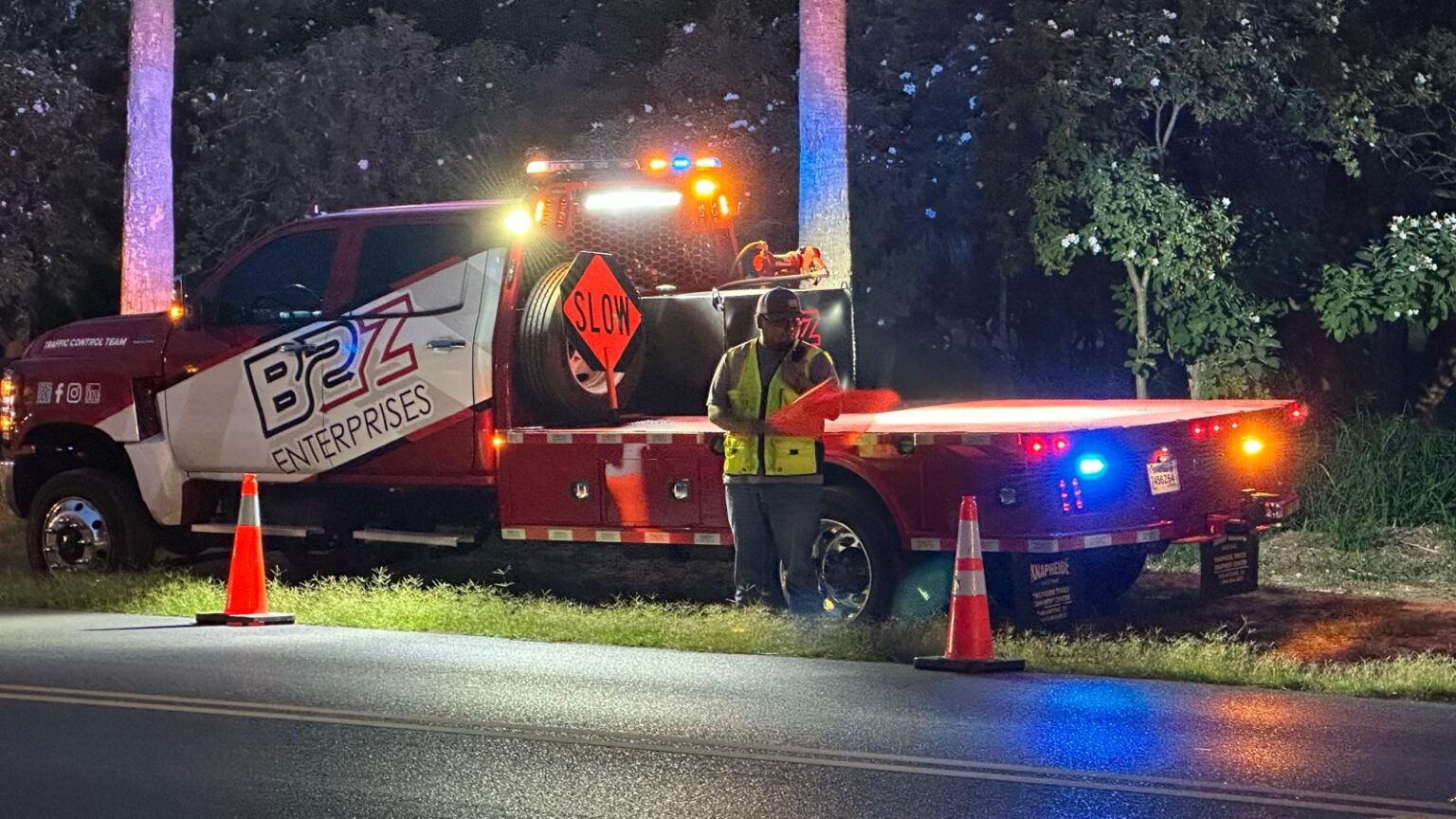

Hello from B2Z Enterprises! 👋
Why TTCP Traffic Control Plans in Rio Grande City Matter More Than Ever
In the past 18 months, Rio Grande City has issued more building permits for commercial and residential projects than in the previous three years combined, triggering a surge in road work that has overwhelmed unprepared contractors. A Temporary Traffic Control Plan (TTCP) is no longer a bureaucratic checkbox—it is the single most important document separating a smooth, safe project from a shutdown, fine, or tragedy. At B2Z Enterprises, we design and implement TxDOT-compliant TTCPs that keep your crew alive, your timeline intact, and the traveling public moving.
What Is Driving the Increased Demand for TTCPs in Rio Grande City?
Three converging forces are pushing TTCPs to the top of every contractor’s priority list in Starr County’s seat. First, population growth is real and measurable. New subdivisions like those off El Sauz Boulevard and the expansion of the Rio Grande City South housing corridor mean streets that once carried a few dozen cars a day now handle commuter traffic. Every new foundation, every sewer lateral, and every water main tie-in requires disrupting those roads.
Second, major road expansion projects on US-83 and local connectors like FM 755 and FM 3167 are in active construction phases. The Texas Department of Transportation has prioritized widening and safety improvements along this corridor, and every contractor working within the right-of-way must submit a TTCP for approval before setting foot on site.
📞
Hey there! Need help in McAllen, TX
Edinburg, TX
Pharr, TX
San Juan, TX
Alamo, TX
Donna, TX
Weslaco, TX
Mercedes, TX
Harlingen, TX
San Benito, TX
Brownsville, TX
Rio Grande City, TX
Roma, TX
La Joya, TX
Palmview, TX?
We’re your neighbors at B2Z Enterprises — always happy to chat!
Call us directly at 956-585-3773
Third, utility installation work—water, gas, and broadband—has exploded as providers race to serve new homes and businesses. When a crew digs a trench across a collector road near Veterans Boulevard without an approved plan, they are not just breaking rules; they are creating a hazard that TxDOT and the city will shut down immediately. The era of “just put out a few cones” ended when the first stop-work order was issued on a site near Rio Grande City High School last year.
Stricter enforcement is the final driver. TxDOT’s Fort Brown District, which oversees Rio Grande City, has increased the frequency of random work zone inspections. Sites found without a compliant TTCP face daily fines that escalate quickly, and repeat offenders risk losing their eligibility to bid on future state-funded projects. We have seen it happen.
How Do Proper TTCPs Reduce Risk for Your Work Zone?
A professionally designed TTCP creates a physical and procedural barrier between workers and moving vehicles. It is not about paperwork; it is about geometry and timing.
The first layer of protection is separation through phased lane closures. Instead of shutting down an entire roadway and forcing traffic onto already congested detours, a well-written plan sequences the closure so that workers are active only in the lane they can fully control while traffic continues moving past them. This reduces the chance of a driver drifting into the work zone—the leading cause of worker fatalities in Texas, according to the Federal Highway Administration’s Work Zone Safety data.
Second, advance warning signage eliminates the sudden braking and last-second lane changes that cause rear-end collisions. A proper TTCP specifies sign placement distance based on the posted speed of the road. On a 55-mph stretch of US-83, that means signs beginning a quarter-mile before the taper. On a 30-mph residential street near the Rio Grande City Public Library, the spacing is tighter but no less critical.
Third, flagging protocols remove guesswork at single-lane sections. Every flagger receives a scripted set of hand signals and radio procedures, so there is no ambiguity about when to hold traffic and when to release it. This is particularly important in Rio Grande City, where school bus traffic along Grulla Street and FM 2360 creates predictable surge periods that must be factored into the plan.
Finally, compliance is not optional. A proper TTCP meets the requirements of MUTCD Part 6 and OSHA 1926 Subpart O. These are not suggestions. They are the legal standards that define acceptable risk in a work zone. When your plan references these codes, an inspector knows immediately that you have done the homework.
Why Choose B2Z Enterprises for Your Rio Grande City Traffic Control Needs?
📞
Got questions about Highway Maintenance Traffic Control?
No worries! B2Z Enterprises is just a call away. We love helping our neighbors.
Any company can download a TTCP template from the internet. Few can make it work on the ground in Rio Grande City. We are the difference between a plan that sits in a binder and a plan that functions in real traffic.
Our team lives and works in the Rio Grande Valley. We know that the intersection of US-83 and FM 755 backs up for a mile during the afternoon rush because of the school zone near Ringgold Middle School. We know that Church Street near the Immaculate Conception Cathedral has multiple driveways used by wedding parties on weekends, which means a standard lane-closure diagram must be adjusted to accommodate intermittent pedestrian crossings. That is local knowledge you cannot get from a generic plan mill.
We offer full-service capability: MOT plan design, flagging, lane closures, and temporary barrier installation. If your project needs a concrete barrier separating travel lanes from the work area, we can deliver and install it. If you need a single flagger for a half-day utility tie-in, we can do that too. Every deployment uses TxDOT-approved templates adapted to the specific geometry of your site.
For emergency utility repairs—a water main break under a major intersection, for example—we provide rapid deployment. A call to 956-585-3773 can have a certified traffic control supervisor on-site within an hour with a preliminary plan and a full crew. We keep equipment staged in our yard at 900 S. Stewart Road. Ste 12, Mission, TX so that we can respond to Rio Grande City without delay.
Our certified supervisors have completed TxDOT-approved training and carry the credentials that inspectors look for when they arrive unannounced. We do not learn compliance on your job; we bring it with us.
How Do TTCPs Help Keep Rio Grande City Traffic Moving During Construction?
The goal of a TTCP is not to stop traffic. It is to manage it. Unplanned closures create chaos. Planned closures create minor delays that the public can tolerate.
We schedule lane closures outside peak school and commuter hours whenever possible. In Rio Grande City, that means avoiding 7:30–8:30 AM and 3:30–4:30 PM, when buses and parents flood the roads near the high school and the elementary schools along El Fortin Road. Our plans build those constraints into the timeline.
Progressive staging is another tool we use. Instead of closing a full mile of road, we stage work in 500-foot sections, reopening one section before closing the next. This maintains two-way flow on most roads, which is critical on corridors like US-83 where detours add 15 to 20 minutes to a commute.
Real-time communication between flaggers using two-way radios prevents the long backup lines that frustrate drivers. When a flagger at the far end of the work zone sees a gap in incoming traffic, they radio the release point to let cars through immediately rather than waiting on a fixed timer. This dynamic control reduces average delay by as much as 40 percent on roads with variable traffic, based on our field measurements.
For complex intersections, we coordinate with the Rio Grande City Police Department to set up bypass reroutes that keep traffic moving around the work zone rather than through it. This happened recently during a utility project at the intersection of US-83 and El Sauz Boulevard, where a temporary signalized detour kept the intersection operational during a three-day mainline closure.
What Happens When You Skip or Improvise a Traffic Control Plan?
The consequences are predictable and severe. We have seen them play out multiple times in Starr County.
First, TxDOT issues a stop-work order. That means your crew cannot work until a compliant plan is submitted and approved. Approval takes days, sometimes weeks, depending on the complexity. Meanwhile, your equipment sits idle, your labor costs mount, and your project schedule crumbles. Daily fines for non-compliance in work zones can range from $1,000 to $5,000 per violation, and multiple violations compound quickly.
Second, worker injury rates spike. Data compiled by the Federal Highway Administration consistently shows that work zones without approved traffic separation methods have significantly higher rates of worker struck-by incidents. In Rio Grande City, where roads often lack wide shoulders, the margin for error is razor-thin. A vehicle drifting even two feet into the work zone can hit a worker.
Third, public complaints flood the city and TxDOT offices. In a community the size of Rio Grande City, word spreads fast. A poorly managed lane closure that causes a 30-minute delay during school pickup time creates a reputation problem that follows you to the next project. We have seen contractors lose repeat business because of a single traffic incident that made local news.
Fourth, insurance premiums rise after an accident, and liability exposure increases dramatically. A lawsuit from an injured worker or a driver who crashed in your unmarked work zone can exceed the value of the project itself. The cost of a TTCP is negligible compared to the cost of one claim.
Want results like this? B2Z Enterprises can help.
When you compare professional TTCP services against the risk of improvising, the choice is clear:
| Factor | Professional TTCP (B2Z Enterprises) | Improvising / DIY Plan |
|---|---|---|
| TxDOT approval time | 48 hours average | Weeks or never (rejection) |
| Daily fine risk | None (fully compliant) | $1,000–$5,000 per day |
| Worker injury likelihood | Minimized by MUTCD & OSHA compliance | Significantly elevated |
| Public complaints | Rare (planned delays only) | Frequent (chaotic delays) |
| Insurance liability | Controlled by documented safety practices | Exposed to claims |
| Total project cost impact | Low (plan cost is minimal) | High (fines, delays, legal) |
How Can You Get Started with a Custom TTCP from B2Z Enterprises?
We make the process straightforward because we know that your priority is getting the work done, not wrestling with forms.
The first step is a free on-site traffic assessment for your Rio Grande City project. A certified traffic control supervisor from our team visits your site, measures the roadway geometry, identifies pedestrian and vehicular traffic patterns, and notes any unique features like nearby school zones or driveways that require special treatment. This assessment takes about an hour and gives us everything we need to design a plan that works.
Next, we deliver a MUTCD-compliant plan tailored to your specific road and timeline. This is not a generic document. It includes detailed diagrams, sign placement distances, flagger station locations, and a phasing schedule that matches your construction sequence. We submit the plan to the appropriate authority—TxDOT for state routes, or the city for local roads—and handle any revisions needed to secure approval.
Finally, we can integrate flagging crews and equipment rental into one coordinated package. One contract, one point of contact, one team that knows the plan because they helped design it. This eliminates the communication gaps that happen when a separate crew tries to execute a plan they have never seen before.
If you need more information about how Rio Grande City contractors ensure flawless TTCP traffic control from permit to completion, we have a detailed guide that walks through the entire approval and deployment process. For those comparing providers, our expert guide to TTCP traffic control services in Rio Grande City covers compliance standards and project-success strategies that every contractor should know.
Frequently Asked Questions
What is the difference between an MOT plan and a TTCP?
A Maintenance of Traffic (MOT) plan is the broad strategy for keeping traffic moving during construction. A Temporary Traffic Control Plan (TTCP) is the detailed implementation document—the specific signs, cones, flagger positions, and lane closure diagrams that execute the MOT strategy. In practice, the terms are often used interchangeably in Rio Grande City, but a TTCP is the document that inspectors will ask to see on site.
How long does it take to get a TTCP approved in Rio Grande City?
For most standard projects, approval takes 48 to 72 hours when the plan is submitted correctly. Complex projects involving multiple lane closures on US-83 may require 5 to 7 business days for TxDOT review. At B2Z Enterprises, we handle the submission and revision process so that you do not lose time waiting.
Do I need a TTCP for a short utility repair that takes only a few hours?
Yes. Any work that disrupts the normal flow of traffic on a public road requires a TTCP, regardless of duration. TxDOT and the City of Rio Grande City do not make exceptions for “emergency” or “short-duration” work. The plan can be simple—a lane closure with flaggers—but it must exist and be approved before work begins. A stop-work order can be issued even for a one-hour repair if no plan is in place.
Who is responsible for enforcing the TTCP on site?
The prime contractor is ultimately responsible for ensuring that the work zone operates according to the approved TTCP. However, most contractors designate a competent person—often a traffic control supervisor—to monitor compliance daily. At B2Z Enterprises, our certified supervisors can fill this role as part of our full-service package.
Can a TTCP be modified after work has started?
Yes, but only with approval from the issuing authority. If field conditions change—for example, if a utility trench is deeper than expected and requires a longer closure—the TTCP must be revised and resubmitted. Operating outside the approved plan voids your compliance and exposes you to fines and liability. We handle field revisions quickly for our clients to keep projects moving legally.
How much does a professional TTCP typically cost?
The cost varies depending on road complexity, number of traffic phases, and duration of the plan. For a standard single-lane closure on a local road in Rio Grande City, plan design and approval typically range from $800 to $1,500. Full-service packages including flagging and equipment are quoted per project. Compared to the cost of a single day of fines or a work zone accident, the investment is negligible.
🤝
Let’s Work Together!
B2Z Enterprises is ready to help. Find us at 900 S. Stewart Road. Ste 12, Mission, TX, 78572 or give us a shout!