
Top Places in Rio Grande City for TTCP Traffic Control Plans Services — Expert Guide
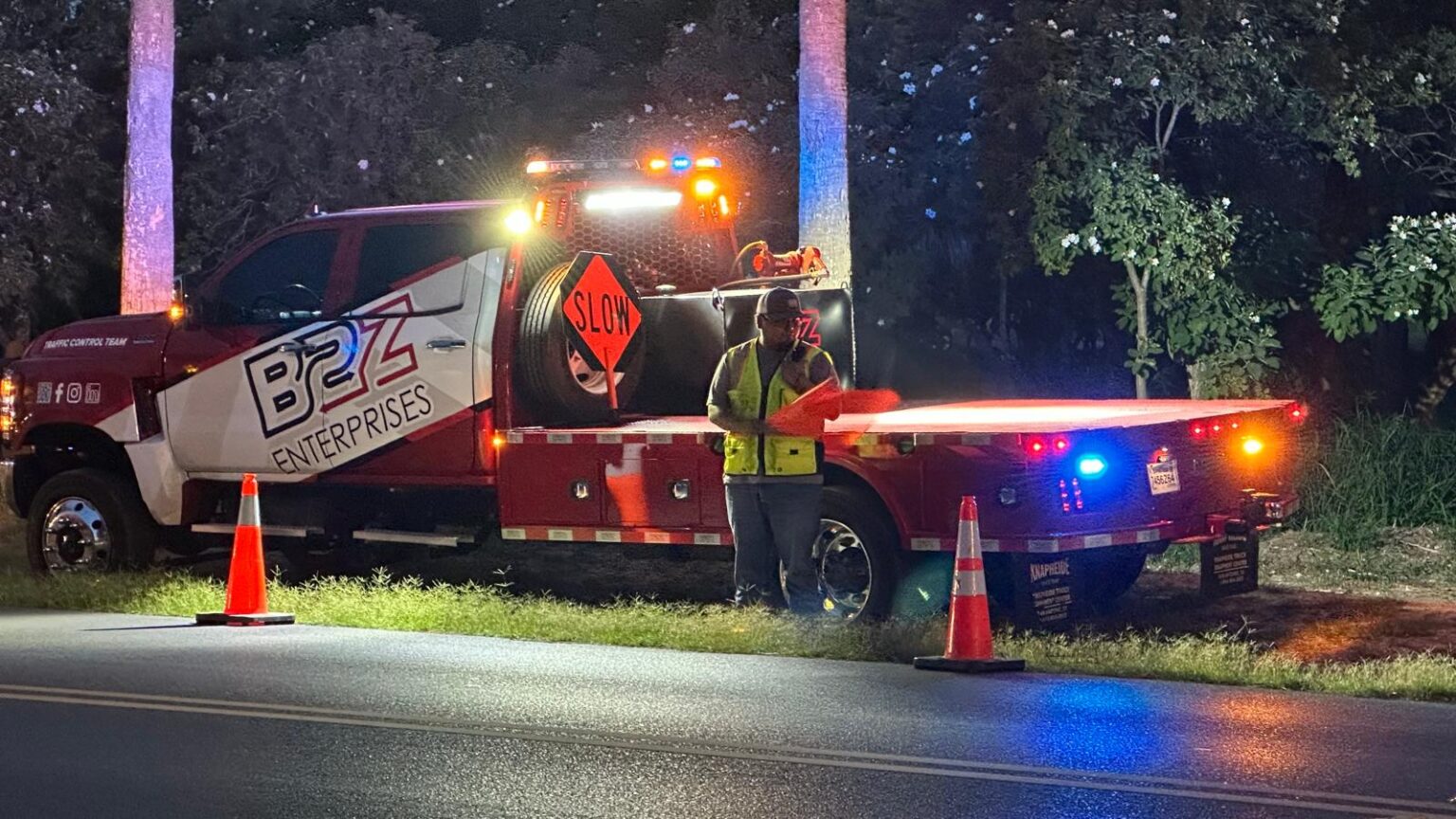
Every construction project in Rio Grande City faces a unique challenge: keeping traffic moving along narrow downtown corridors and high-speed rural highways while maintaining safety. Our team at B2Z Enterprises has designed and implemented temporary traffic control plans (TTCPs) across every major route in the city, from US 83 to FM 755, and we know exactly where the risks are highest and what solutions actually work on the ground. Here is our insider’s guide to the critical locations and corridor-specific traffic control services every contractor and developer needs.
Why Is US Highway 83 in Rio Grande City a High-Priority Corridor for TTCP Services?
US 83 is the backbone of Rio Grande City, carrying commuters, commercial trucks, and school traffic daily between Starr County and points north. The corridor connects directly to the Rio Grande City Municipal Park, the Starr County Courthouse, and the city’s main retail strip near La Borde Drugs. Because it is a four-lane undivided highway in many sections, any lane closure creates immediate bottleneck pressure.
Frequent utility installations—new water mains, gas line tie-ins, and fiber-optic broadband projects—require lane closures that disrupt a corridor already operating at near-capacity. The Texas Department of Transportation (TxDOT) mandates that all work on US 83 follow a compliant maintenance of traffic (MOT) plan per the Texas Manual on Uniform Traffic Control Devices (TMUTCD). Our team has coordinated multi-phase closures on US 83 near the intersection with FM 3167, a location complicated by the presence of a major retail center and a school bus turnaround. We use sequential lane shifts with proper taper lengths, channelizing devices, and buffer spaces to keep traffic flowing while protecting workers. Flagging services are essential at the US 83 and FM 755 junction, where accident rates spike during construction because drivers transitioning from highway speeds to reduced zones often fail to merge correctly.
What Traffic Control Plans Are Essential for FM 755 Construction Zones?
FM 755 serves as the primary arterial connecting Rio Grande City’s residential neighborhoods—including the Las Lomas area—to the commercial core and US 83. When the city undertook a major road-widening project south of the Rio Grande City High School, we provided the temporary traffic control plan that allowed crews to install new storm drains, concrete curbs, and sidewalks without shutting down the road entirely.
B2Z Enterprises — Trusted in McAllen, TX
Edinburg, TX
Pharr, TX
San Juan, TX
Alamo, TX
Donna, TX
Weslaco, TX
Mercedes, TX
Harlingen, TX
San Benito, TX
Brownsville, TX
Rio Grande City, TX
Roma, TX
La Joya, TX
Palmview, TX
or call 956-585-3773
Utility installation traffic control on FM 755 is especially demanding because the road serves multiple schools, a county health clinic, and dozens of small retail businesses. Any extended lane closure creates ripple effects: parents miss pick-up times, deliveries get delayed, and local frustration builds quickly. Our approach uses night-time lane closures on FM 755 between 9 p.m. and 5 a.m., a strategy that minimizes daytime congestion while still allowing crews to complete trenching and pavement restoration. We coordinate closely with the Rio Grande City Public Works Department to align our sequencing with their permit schedules, and we always provide advance warning signs a full 500 feet before the work zone, as required by TxDOT standards.
How Does B2Z Enterprises Manage Work Zone Safety Near Rio Grande City Schools?
School-zone traffic control demands the highest level of diligence because children, school buses, and parents in a hurry create an unpredictable mix. We have designed MOT plans for sidewalk repairs and crosswalk installations near Rio Grande City High School and Ringgold Elementary School. In every school-adjacent project, we reduce posted speed limits within the work zone, deploy enhanced flagging protocols with two certified flaggers per approach, and use portable traffic signals at intersections where visibility is limited.
We also coordinate with the Rio Grande City Consolidated Independent School District to adjust work schedules around drop-off and pick-up times. For example, when replacing a damaged crosswalk near Ringgold Elementary, we scheduled all pavement saw-cutting during the 10 a.m. to 2 p.m. window when student traffic is lowest. Our TTCP for that project included temporary pedestrian routing with physical barriers and advanced warning signs placed 300 feet before the school entrance. The result: zero incidents and the project finished two days ahead of schedule. For a deeper look at how we move from permit to completion on these projects, read our guide: Why Rio Grande City Contractors Rely on B2Z Enterprises for TxDOT-Compliant TTCP Traffic Control Plans — Comprehensive Guide.
Which Intersections in Rio Grande City Need Dedicated Flagging Services?
Not all intersections are created equal when it comes to construction risk. In Rio Grande City, three intersections consistently require the highest level of flagging attention:
- US 83 and FM 755 — This is the highest-volume junction in the city. During the 2023 water-line installation project, we stationed two flaggers at each approach with radio headsets to coordinate simultaneous lane closures. Real-time communication allowed us to clear congestion within two minutes of the signal turning red.
- 2nd Street and Main Street — This downtown intersection sees pedestrian traffic heading to the Starr County Courthouse and local government offices. Our flaggers receive additional training on pedestrian management, and we use advance warning signs specifically designed for downtown work zones.
- Loop 212 and US 83 — The merge area at this interchange is notorious for confusion during construction. Flaggers must manage both highway-speed traffic entering from Loop 212 and local traffic exiting toward the Rio Grande City Public Library. We use pilot car operations here to guide vehicles through single-lane sections safely.
Our certified flaggers undergo annual refresher training aligned with TxDOT guidelines, and we equip them with two-way radios and high-visibility gear rated to ANSI 107 Class 3 standards. During the annual Rio Grande City Festival de la Paloma, we adjust our flagging schedules and positioning to accommodate event traffic, a nuance that out-of-town traffic control companies often miss.
What TTCP Solutions Are Required for Utility Installation Along Rio Grande City’s Rural Roads?
Rural roads like FM 2360 and FM 2568 present a completely different set of challenges than urban corridors. These roads are narrow—often only 20 feet wide—with ditches on both sides and limited shoulders. Agricultural vehicles, including slow-moving tractors and hay trucks, share the road with commuters driving at 55 mph or higher. When a pipeline company needed to install a new gas line that crossed FM 2360 near the border of the Santa Cruz Ranch, we designed a low-impact TTCP that used flagging and pilot car operations instead of full road closures.
The key constraint on rural roads is the lack of detour options. If FM 2360 closes, drivers must detour 12 miles via FM 3167 and FM 755, which adds 20 minutes to every trip. Our solution used a single-lane closure with alternating one-way traffic controlled by flaggers stationed at both ends of the work zone. We placed advance warning signs 1,000 feet before the site—double the TMUTCD minimum—because drivers on rural roads need more time to react. We also used temporary pavement markings to guide night crews working on trench restoration. Every rural TTCP we design includes a contingency plan for emergency vehicles: we pre-arrange a radio protocol with the Starr County Sheriff’s Office so deputies can call ahead and request priority passage through the work zone.
How Does B2Z Enterprises Ensure Compliance with TxDOT Standards for Highway Maintenance Traffic Control?
Compliance is not optional in Rio Grande City. TxDOT and the City of Rio Grande City both require that every MOT plan submitted for permit approval meet the latest TMUTCD requirements. Our plans specify proper taper lengths based on posted speed limits—for a 55 mph zone, we use 550-foot tapers—channelizing devices at 40-foot intervals, and buffer spaces of at least 50 feet between the work area and the travel lane. We also include temporary traffic signals when the work zone requires lane closures lasting more than 24 hours.
B2Z Enterprises holds TxDOT pre-qualification for traffic control plan preparation, meaning our plans are reviewed and approved faster because they already meet state standards. Every project undergoes a pre-construction site inspection, mid-project compliance check, and post-project review. Our supervisors in Rio Grande City carry copies of the latest TMUTCD on tablet devices for on-site reference. All flaggers and traffic control technicians working in Rio Grande City complete TxDOT-certified training, and we require annual recertification to keep up with standard updates. For a broader perspective on why rigorous MOT plans matter for growing South Texas communities, read Why MOT plans in Roma, TX Matters More Than Ever.
| Factor | Professional TTCP Service (B2Z Enterprises) | Internal/Diy Traffic Control |
|---|---|---|
| TMUTCD Compliance | 100% compliant; plans pre-reviewed by TxDOT-certified staff | Often non-compliant; missing taper lengths, buffer spaces, or signage |
| Permit Approval Time | 3–5 business days (expedited due to pre-qualification) | 2–4 weeks (frequent resubmissions due to errors) |
| Flagging Staff | Certified flaggers with radio communication and ANSI Class 3 gear | Uncertified laborers; higher accident risk |
| Liability Coverage | Full general liability and workers’ compensation | Often uncovered; personal or project risk |
| Night Work Planning | Includes lighting plans, temporary markings, and advanced warning signs | Typically lacks night-specific safety measures |
| Average Project Duration | Completed 20% faster due to efficient lane closure sequencing | Extended due to rework and permit delays |
Want results like this? B2Z Enterprises can help.
Where Can Rio Grande City Businesses and Contractors Get Expert TTCP Services?
B2Z Enterprises is a locally owned and operated traffic control company based at 900 S. Stewart Road. Ste 12, Mission, TX, and we serve Rio Grande City with the same dedication we bring to every project in the region. Our service area covers all major Rio Grande City routes: US 83, FM 755, FM 3167, FM 2360, FM 2568, and Loop 212. We provide quick response for emergency lane closures—typically on-site within two hours—and we offer free consultations for project-specific MOT and TTCP needs.
Our team has worked alongside Rio Grande City contractors on projects ranging from small utility tie-ins to multi-phase highway maintenance operations. We understand the local permitting process, the common pain points (like the limited detour options on rural roads), and the seasonal traffic patterns tied to school schedules and civic events. When you call 956-585-3773, you reach someone who has worked in Rio Grande City and knows the specific challenges of each corridor. We design every TTCP around the reality of how people actually drive and work in this community, not just a generic template.
Don’t see your question? Ask B2Z Enterprises directly.
Frequently Asked Questions About TTCP Traffic Control in Rio Grande City
Do I need a TTCP for a short-term lane closure on FM 755 in Rio Grande City?
Yes, any lane closure on a state highway or FM road in Rio Grande City requires a traffic control plan that meets TMUTCD standards, regardless of duration. Even a two-hour utility tie-in requires advance warning signs, channelizing devices, and either flagging or temporary traffic control signals. TxDOT and the City of Rio Grande City both enforce this requirement, and fines for non-compliance can exceed $2,000 per violation.
How far in advance do I need to submit a TTCP for approval in Rio Grande City?
For projects on state-maintained routes like US 83 and FM 755, you should submit your MOT plan to the TxDOT Pharr District office at least 10 business days before the planned start date. For city-maintained streets such as 2nd Street or Main Street, the Rio Grande City Public Works Department requires a minimum of 5 business days. We recommend submitting as early as possible because review times can vary based on current workload and the complexity of the plan.
What specific equipment is required for night-time lane closures on rural Rio Grande City roads?
Night work on rural roads like FM 2360 requires vehicle-mounted warning lights (amber strobes), portable changeable message signs (PCMS) placed 1,000 feet before the work zone, reflective channelizing devices (drums or cones) at 40-foot maximum spacing, and temporary pavement markings if the road surface is altered. All flaggers must wear ANSI 107 Class 3 high-visibility gear with retroreflective trim. B2Z Enterprises includes a lighting plan as part of every night-work TTCP, specifying minimum illumination levels at the work area.
Can I use the same TTCP for multiple locations in Rio Grande City?
No. Each TTCP must be site-specific because traffic volumes, speed limits, sight distances, and adjacent land uses vary by location. A plan designed for a straight section of US 83 near the Starr County Courthouse will not work at the curved section near FM 3167. TxDOT requires that every MOT plan include a site-specific drawing with measured distances, lane widths, and the placement of every sign and device. Reusing a plan without adaptation can result in permit rejection and project delays.
How long does it take to get certified flaggers in Rio Grande City through B2Z Enterprises?
We maintain a pool of certified flaggers based in the Rio Grande Valley, and we can deploy flaggers to Rio Grande City projects within 24 to 48 hours of a confirmed work order. For emergency lane closures, we can have certified flaggers on-site in under two hours. All our flaggers hold current TxDOT-compliant training certificates and carry proof of certification on-site.
Does the City of Rio Grande City have its own traffic control requirements beyond TxDOT standards?
Yes, the City of Rio Grande City publishes supplementary guidelines for work within city limits. These include stricter noise limits for night work near schools and residential areas, additional pedestrian routing requirements near the Starr County Courthouse and the Rio Grande City Public Library, and a requirement to notify the Rio Grande City Police Department at least 48 hours before any road closure. We stay current with these local ordinances and incorporate them into every TTCP we prepare for projects inside city limits.