
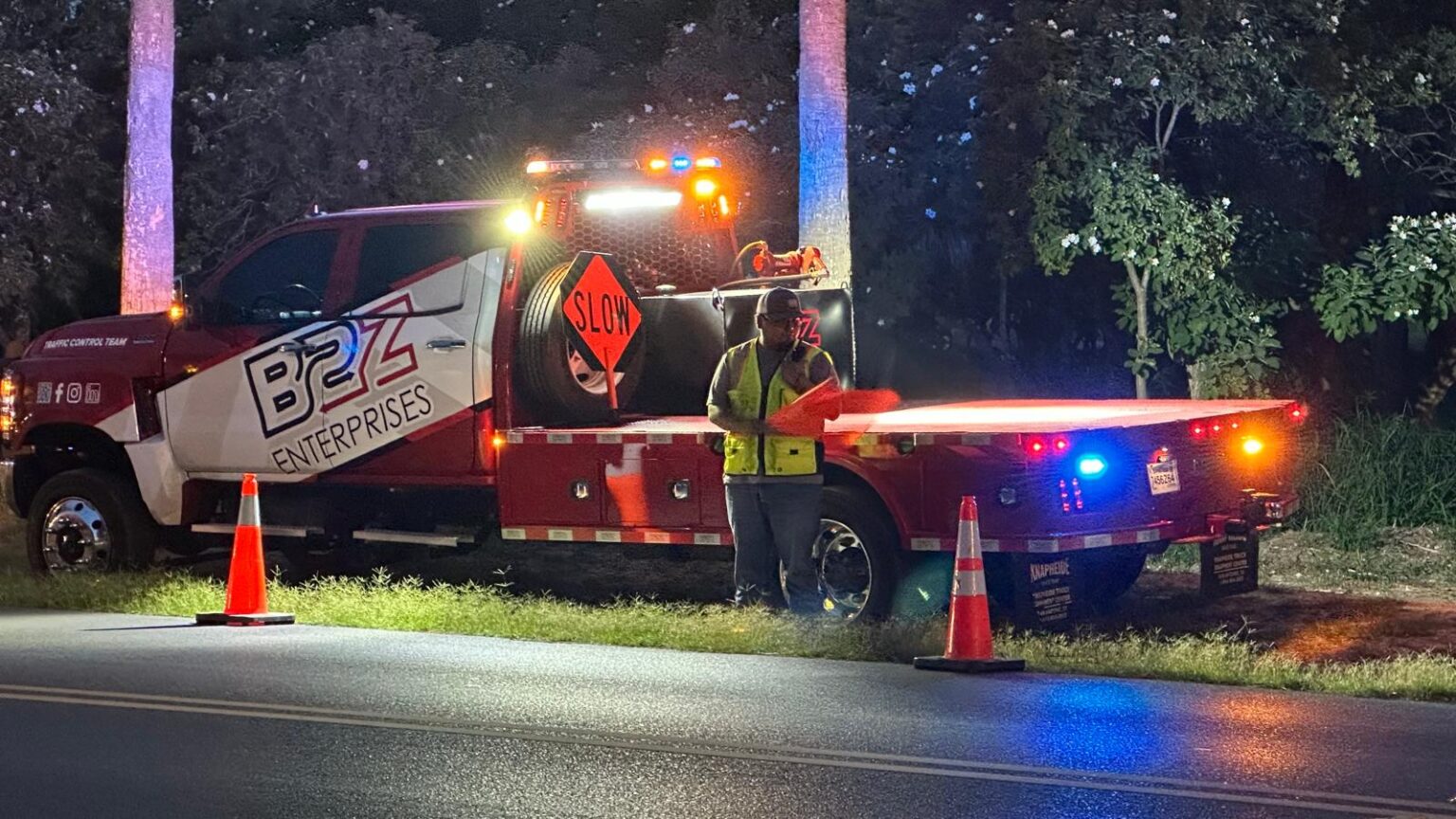
Top Places in La Joya for Utility Installation Traffic Control Services — Expert Guide
If you’re planning utility installation work in La Joya—whether it involves a new water main, gas line reroute, or electrical conduit pull—traffic control services are non-negotiable on FM 2220, FM 396, and the US 83 frontage roads, especially near La Joya ISD campuses and the city hall district. These high-traffic corridors and pedestrian-heavy zones demand certified flagging services and TTCP traffic control plans to keep everyone safe, avoid TxDOT fines, and prevent project shutdowns.
Why Does Utility Installation Traffic Control Matter in La Joya?
La Joya is in the middle of a sustained growth phase. New subdivisions are pushing outward from the core, and aging utility infrastructure in older sections of town is being replaced or upgraded. Every time a crew opens a trench—whether for a gas main, fiber-optic conduit, or sanitary sewer line—the surrounding traffic environment changes. Without proper traffic control, you introduce risk: drivers unfamiliar with the work zone, pedestrians crossing near excavation, and cyclists sharing narrow shoulders.
The City of La Joya follows the standards set by the Federal Highway Administration’s Manual on Uniform Traffic Control Devices (MUTCD), which governs everything from taper lengths to sign placement. Local municipal ordinances also require a site-specific Temporary Traffic Control Plan (TTCP) before any permit is issued for utility work on city streets. B2Z Enterprises ensures every plan is fully compliant with these regulations, minimizing liability for contractors and protecting the public.
Trusted McAllen, TX
Edinburg, TX
Pharr, TX
San Juan, TX
Alamo, TX
Donna, TX
Weslaco, TX
Mercedes, TX
Harlingen, TX
San Benito, TX
Brownsville, TX
Rio Grande City, TX
Roma, TX
La Joya, TX
Palmview, TX Service Provider
B2Z Enterprises delivers professional results backed by experience. Contact us to discuss your needs.
Contact Usor call 956-585-3773
Which La Joya Roads Need the Most Traffic Control for Utility Work?
What makes FM 2220 a high-priority corridor for utility traffic control?
FM 2220 is La Joya’s busiest arterial. It connects the residential neighborhoods on the west side with the commercial strip near US 83 and the schools to the east. Utility work along this road—whether near the railroad crossing just south of the city hall area or adjacent to the drainage canals that run parallel to the roadway—requires careful planning. Speeds are moderate, but driver distraction is high due to the number of retail driveways and side streets.
Why are US 83 frontage roads and FM 396 critical for traffic management?
The US 83 frontage roads carry commuter traffic into and out of La Joya daily, plus heavy truck traffic serving local agriculture and logistics. FM 396, which runs north-south on the eastern edge of town, is the primary route for La Joya ISD bus traffic. Any utility work on these roads during school hours creates ripple effects. We’ve seen contractors try to manage with a single flagger and a few cones—that approach fails quickly when a school bus needs to turn and the work zone isn’t set up with proper advance warning signs and taper lengths.
Where do utility work zones intersect with school traffic and pedestrian routes?
Streets around La Joya ISD campuses—particularly during drop-off (7:00–8:30 AM) and pick-up (3:00–4:30 PM)—become congested choke points. Utility work near schools like La Joya High School or Dr. Pablo Perez Elementary demands a TTCP that accounts for peak pedestrian and vehicle flows. Similarly, the area around La Joya City Hall and the adjacent park sees high foot traffic, especially during community events. Work zones there need pedestrian detours that comply with ADA Title III requirements for accessible routes.
| Factor | Professional Traffic Control (B2Z Enterprises) | DIY or Unmanaged Approach |
|---|---|---|
| Regulatory Compliance | Full TxDOT & MUTCD compliance; TTCP submitted with permit | High risk of non-compliance; potential fines up to $10,000 per day |
| Work Zone Safety | Certified flaggers; proper taper lengths and buffer zones | Inconsistent signage; untrained personnel managing traffic |
| Pedestrian Protection | ADA-compliant detours; channelizing devices at crosswalks | Often overlooked; pedestrians forced into unsafe paths |
| Project Delays | Minimized through rapid deployment and removal | Frequent stoppages due to safety incidents or city stop-work orders |
| Liability | B2Z Enterprises carries full insurance and TxDOT certification | Contractor assumes all liability exposure |
What Are the Best Practices for Utility Installation Traffic Control in La Joya?
Professional Maintenance of Traffic (MOT) Plans Solutions
B2Z Enterprises offers expert guidance on Maintenance of Traffic (MOT) Plans. Reach out to learn more.
How do you create a site-specific TTCP for La Joya road conditions?
Every utility site in La Joya is different. A trench in the Cimarron neighborhood on a quiet cul-de-sac requires a different approach than a vault replacement in the median of FM 2220. We start every project with a site visit to assess visibility, traffic volume, pedestrian patterns, and nearby driveways. Then we design a TTCP that specifies taper lengths (using MUTCD Table 6C-1 for the posted speed), buffer spaces, and the exact placement of advance warning signs. For work on streets near the drainage canals along FM 2220, we also account for reduced shoulder width and potential water runoff issues.
What flagging protocols work best on two-lane roads and narrow shoulders?
On narrow roads like FM 396 in its rural sections, there’s often no shoulder to speak of. Flaggers need to be positioned with enough advance warning—typically 500 feet for a 45 mph zone—and use a “flag tree” system for visibility. We train our flagging crews to use standardized hand signals and radio communication with the utility crew so that traffic stops happen only when absolutely necessary. On roads near the Los Ebanos area, where agricultural equipment shares the road with commuters, we often add an extra advance warning sign and a pilot car for two-way traffic management through the work zone.
How do you coordinate with La Joya public works and utility companies?
Before any lane closure, we coordinate directly with the City of La Joya Public Works Department and the utility company (whether it’s a private contractor for fiber, or Hidalgo County for water and sewer). We provide the TTCP for review, schedule around planned events at La Joya Park or school functions, and arrange for any necessary road occupancy permits. This upfront coordination prevents the common frustration of a work zone being set up only to find out there’s a parade or market day on the same street.
How Does B2Z Enterprises Handle Lane Closures for Utility Work?
What’s the process for sequential lane closures during water, gas, or electric line installations?
When a utility contractor needs to install a water main along the US 83 frontage road, we don’t just close the lane and hope for the best. We use a sequential closure method: first we set advance warning signs a quarter-mile back, then we taper the lane down using channelizing devices spaced according to MUTCD guidelines, and finally we position flaggers at each end. For gas line installations, where the work is often more confined, we use temporary barriers and reduced buffer zones while maintaining full visibility. Our goal is to keep traffic moving—even if it’s at a reduced speed—rather than forcing long detours.
When should you use nighttime versus daytime closures in La Joya?
For utility work on FM 2220 near the railroad crossing, where daytime traffic is heaviest, we often recommend nighttime closures. Night work requires additional lighting—floodlights for the work area, steady-burn lamps on channelizing devices, and reflective sheeting on all signs per MUTCD Section 6F. For smaller jobs in lower-traffic neighborhoods like Palm Grove addition, daytime closures with proper flagging are usually sufficient and more cost-effective. We discuss both options with the utility contractor and make a recommendation based on traffic counts and project duration.
How quickly can B2Z Enterprises deploy and remove a lane closure setup?
Utility contractors work on tight schedules. If a crew finishes a section of conduit installation ahead of schedule, they don’t want to wait hours for traffic control to be removed. Our standard response time for deployment is under 90 minutes from call-out within La Joya. For removal, we can have a full lane closure taken down and traffic restored in under 45 minutes. This speed comes from having dedicated trailers pre-loaded with channelizing devices, signs, and barriers, and crews who know La Joya’s streets well enough to get to the site without GPS.
Where Are the Most Challenging Utility Installation Sites in La Joya?
What makes utility work near railroad crossings and drainage canals so difficult?
The railroad crossing on FM 2220, just south of the city hall, is a notorious bottleneck even without construction. Adding a utility work zone there means coordinating with the railroad company, ensuring no equipment crosses the tracks during train activity, and managing queuing traffic that can back up for blocks. The drainage canals that parallel FM 2220 create another challenge: the soil near the banks is unstable, so excavation requires shoring and the work zone footprint is larger, pushing traffic barriers closer to the travel lane.
How do you handle utility vaults located in tight medians or sidewalk-adjacent zones?
Some of the most difficult sites we’ve worked in La Joya are utility vault replacements in the medians of FM 396, where there’s barely enough room for a work truck, let alone a full lane closure setup. In these cases, we use a combination of temporary barrier rail and reduced speed zones. For vaults located directly adjacent to sidewalks—like those near the retail center on US 83—we create pedestrian detours that keep foot traffic away from the work area while maintaining ADA accessibility. This requires close coordination with the City of La Joya’s engineering department.
What’s the best way to manage utility work zones on school drop-off and pick-up routes?
School routes are the most time-sensitive work zones in La Joya. A utility repair on Los Ebanos Drive, which serves La Joya High School, during pick-up time can create chaos. Our strategy is to either schedule the work during school hours (9:00 AM–2:00 PM) when traffic is lower, or to set up a temporary traffic pattern with a dedicated lane for school buses. We communicate directly with the school administration and the La Joya ISD transportation department so they know exactly where our flaggers will be and how to route buses safely through the work zone.
Case Study: Utility contractor on FM 2220 near Cimarron neighborhood
A utility contractor working on a new gas main extension in the Cimarron neighborhood of La Joya came to B2Z Enterprises because their previous traffic control provider had set up a work zone that blocked the only entrance to the subdivision during morning rush hour. Residents were stuck waiting up to 20 minutes to get in or out. Our team redesigned the TTCP to use a half-lane closure with a flagger-controlled alternating traffic pattern instead of a full closure. We coordinated with the contractor to perform the most disruptive work between 9:00 AM and 3:00 PM, and had the site fully restored to normal traffic flow each day by 4:30 PM. The contractor completed the gas main on schedule with zero resident complaints and passed all City of La Joya inspections on the first attempt.
Want results like this? B2Z Enterprises can help.
Why Choose B2Z Enterprises for Utility Installation Traffic Control in La Joya?
We are based at 900 S. Stewart Road, Ste 12, Mission, TX, which means we’re minutes from La Joya and can respond quickly to any utility work site in the area. Our team has worked on everything from small service line repairs to major utility extensions along FM 2220 and US 83. We know the La Joya permit process—how to submit a TTCP to the city public works department, which forms are needed, and what inspection criteria will be applied. You can reach us at 956-585-3773 to discuss your specific project needs.
Every B2Z Enterprises crew member is fully certified in work zone safety and traffic control. We hold TxDOT certifications for flagging and MOT plan implementation, and we follow OSHA construction safety standards on every site. Our track record with utility contractors in the Rio Grande Valley—including projects that required coordination with the City of La Joya, Hidalgo County, and private utility operators—demonstrates our ability to deliver compliant, efficient traffic control that keeps projects on schedule.
For contractors who need a deeper understanding of the regulatory framework, we recommend reading our utility installation traffic control guide for La Joya, which breaks down TxDOT compliance step by step. Additionally, the principles of TTCP planning that apply to municipal work in Brownsville also transfer to La Joya—you can see how we approach these plans in our article on why TTCP traffic control plans are critical for public safety.
We don’t just set up cones and signs. We design work zones that protect workers, keep traffic moving, and comply with every applicable regulation—from the FHWA MUTCD to local La Joya ordinances. When you hire B2Z Enterprises, you get a partner who understands the specific challenges of utility installation traffic control in this community.
Frequently Asked Questions About Utility Installation Traffic Control in La Joya
Have a specific question? Our team at B2Z Enterprises is here to help.
Do I need a formal TTCP for a small utility repair in La Joya?
Yes. The City of La Joya requires a site-specific Temporary Traffic Control Plan for any utility work that affects a public street or sidewalk, regardless of project size. Even a short-duration repair needs a TTCP that specifies sign placement, taper lengths, and flagging protocols. B2Z Enterprises can prepare and submit this plan as part of our traffic control services.
How far in advance do I need to notify the city before starting utility work with lane closures?
The City of La Joya Public Works Department typically requires at least 48 hours’ notice for lane closures on non-arterial streets, and up to one week for work on major corridors like FM 2220 or US 83 frontage roads. We handle this notification as part of our service, including coordinating with the city traffic engineer when needed.
What are the penalties for non-compliant traffic control during utility work in La Joya?
Failing to follow the approved TTCP or MUTCD standards can result in a stop-work order from the city, fines starting at $500 per day, and potential liability for any accidents that occur in the work zone. Repeated violations can lead to permit revocation. Working with a certified traffic control company like B2Z Enterprises eliminates this risk.
Can you set up traffic control so that only one lane is affected instead of closing the whole road?
In most cases, yes. For two-lane roads, we use an alternating one-way traffic pattern controlled by flaggers at each end of the work zone. This keeps one lane open in alternating directions rather than forcing a full road closure. The specific setup depends on the road width, traffic volume, and the work zone footprint—all of which we assess during the TTCP design phase.
Do you coordinate with La Joya ISD when utility work is near schools?
Absolutely. We proactively contact the school administration and the La Joya ISD transportation department for any work within a quarter-mile of school property. We adjust our TTCP to minimize disruption during drop-off and pick-up windows, and we ensure that school bus routes remain clear. This communication is part of our standard project planning process.
What equipment do you bring for a utility installation work zone in La Joya?
Our standard deployment includes Type I, II, and III barricades, channelizing drums and cones, advance warning signs mounted on portable stands, roll-up sign boards for speed reduction, variable message boards for high-traffic corridors, flagger stations with stop/slow paddles, and temporary barrier rail for sites requiring positive separation. For night work, we add trailer-mounted light plants and steady-burn lamps on all devices, compliant with MUTCD Section 6F for nighttime work zones.
Schedule Your Consultation
B2Z Enterprises — Professional service, proven results.