Top Places in Fort Worth for Construction Zone Safety Services – Expert Guide
If you are planning a construction, utility, or maintenance project in Fort Worth, you need a traffic control partner who knows the local roads, regulations, and risks inside out. The most effective approach is to work with a TxDOT-certified traffic control company like B2Z Enterprises, which has 21 years of experience deploying MOT plans, TTCP traffic control plans, and certified flagging services across the city. This guide breaks down the specific neighborhoods, highways, and project types where professional work zone safety is non-negotiable.
Picture this: you are a general contractor managing a water main replacement on Hulen Street near the intersection with I-30. It is 7:30 a.m., and traffic is already stacking up half a mile in each direction. Your crew is about to open a trench across three lanes, and you realize the cone taper you set up last night has been knocked over by a delivery truck. A City of Fort Worth inspector pulls up before you can fix it. That is the moment you understand why reactive signage is not enough—and why proactive, professionally managed construction zone safety makes the difference between a fine and a smooth operation. For a deeper look at why passive signage falls short, read our guide on Why Construction Zone Safety in Fort Worth Requires More Than Just Signs.
Why Is Fort Worth’s Construction Boom Driving Demand for Zone Safety Services?
Fort Worth is growing faster than almost any other city in Texas. The population surge has triggered record-level road expansions on I-35W, I-30, and the Chisholm Trail Parkway, plus a wave of utility infrastructure projects—gas, electric, and water line installations—that require temporary traffic control in active travel lanes. The City of Fort Worth and TxDOT have tightened compliance requirements, and the consequences for unsafe work zones are rising. Local enforcement data shows a 30% increase in work-zone citations over the past two years, with fines reaching several thousand dollars per violation. This is not just about avoiding tickets; it is about protecting workers and the public. According to OSHA construction safety standards, every work zone must have a documented traffic control plan that meets federal and state requirements—and Fort Worth enforces that strictly.
What to Look for in a Fort Worth Traffic Control Partner?
Choosing the right partner for temporary traffic control in Fort Worth means looking beyond price. You need a company with proven experience meeting both TxDOT and City of Fort Worth standards. Here are the key criteria we recommend:
Experience the B2Z Enterprises Difference
Serving the local area with distinction and care.
or call 956-585-3773
- TxDOT-certified with a track record of approved TTCPs on local projects.
- Full spectrum of services: Maintenance of Traffic (MOT) Plans, Temporary Traffic Control Plans (TTCP), flagging, lane closures, and emergency response.
- Local intelligence: Knowledge of Fort Worth traffic patterns, high-congestion corridors, and event schedules (Stockyards, TCU game days, and Sundance Square events).
- 24/7 capability: Utility cuts and road incidents do not follow business hours. Your partner must be able to deploy within hours, not days.
- Proper insurance and licensing specific to Texas, including general liability, workers’ compensation, and TxDOT prequalification.
When you compare professional traffic control services with DIY setups, the difference in outcomes is stark. The table below summarizes the key trade-offs.
Which Fort Worth Highways and Intersections Require the Most Traffic Control Expertise?
Curious About Utility Installation Traffic Control?
B2Z Enterprises brings expertise and care to every project.
Not all Fort Worth roads are equal. Some corridors demand specialized knowledge because of their complexity, traffic volume, or unique geometry. Here are the areas where we see the highest need for expert lane closure services and highway maintenance traffic control.
I-35W: Downtown to North Fort Worth
This is Fort Worth’s spine. Multi-lane closures here affect tens of thousands of drivers daily. The high-speed environment—posted at 65 mph but often traveled faster—requires advanced warning systems, crash cushions, and precise taper lengths. We have managed dozens of closures on this corridor for both TxDOT maintenance and private utility work, always coordinating with the City of Fort Worth traffic engineers to minimize peak-hour impact.
I-30 / 820 Interchange
This interchange is a weaving nightmare for drivers and a planning challenge for traffic control crews. With multiple merge points and short acceleration lanes, temporary road closure services here require dynamic lane shifts and variable message signs that update in real time. We use adaptive traffic control devices (ATDs) on this interchange to reduce confusion and prevent rear-end collisions.
Hulen Street and Bryant Irvin Road
These are high-volume commercial corridors lined with shopping centers, restaurants, and medical offices. Utility installation traffic control here is particularly challenging because you must maintain access for businesses and emergency vehicles while protecting workers in the trench. We recently completed a gas line installation on Hulen Street near the intersection with Sycamore School Road, using a single-lane closure pattern that kept all businesses open and reduced delays to under 10 minutes during peak hours.
Lancaster Avenue Near Meacham Airport
This industrial corridor carries heavy truck traffic to and from Meacham International Airport, plus rail crossings that add another layer of complexity. Flagging services here must account for long vehicle gaps, limited sight distances, and the need to stop traffic for trains. Our flaggers use direct radio communication with construction crews and coordinate with the Fort Worth Police Department for any unplanned full-road closures.
West 7th Street and Camp Bowie Boulevard
These are mixed pedestrian-vehicle zones with high foot traffic, especially near the Cultural District and the Near Southside. Pedestrian safety is the top priority. We implement defined pedestrian detours, temporary crosswalks, and separate flagging protocols for foot traffic versus vehicles. Compliance with MUTCD Chapter 6E standards is critical here, and our crews are trained specifically for urban mixed-use environments.
How Does B2Z Enterprises Handle Complex Utility Installation Traffic Control in Fort Worth?
Utility projects—water main replacements, fiber optic installations, and gas line upgrades—are the bread and butter of our Fort Worth operation. The key is pre-planning. We sit down with utility companies and general contractors before any excavation begins to map out lane closure strategies that minimize disruption while keeping workers safe.
For example, on a recent fiber optic project along a major arterial near the intersection of Camp Bowie and University Drive, we designed a dynamic lane closure schedule that kept two lanes open during morning and evening rush hours, with single-lane closures only during midday and overnight. We coordinated the plan with the Fort Worth Fire Department to ensure emergency access routes were never blocked. The project was completed on schedule with zero incidents and zero citations.
We also handle emergency utility cuts—the kind where a water main bursts at 2 a.m. and you need a TTCP on-site before sunrise. Our team can generate a same-day MOT/TTCP plan for emergency cuts, deploy a crew with arrow boards and cones, and have the zone fully operational within 90 minutes of the call. For a broader discussion of why professional traffic management is essential for utility work, see Why utility installation traffic control in La Joya Matters More Than Ever, which outlines principles that apply equally to Fort Worth projects.
What Makes Flagging Services Critical for Fort Worth’s Downtown and Suburban Projects?
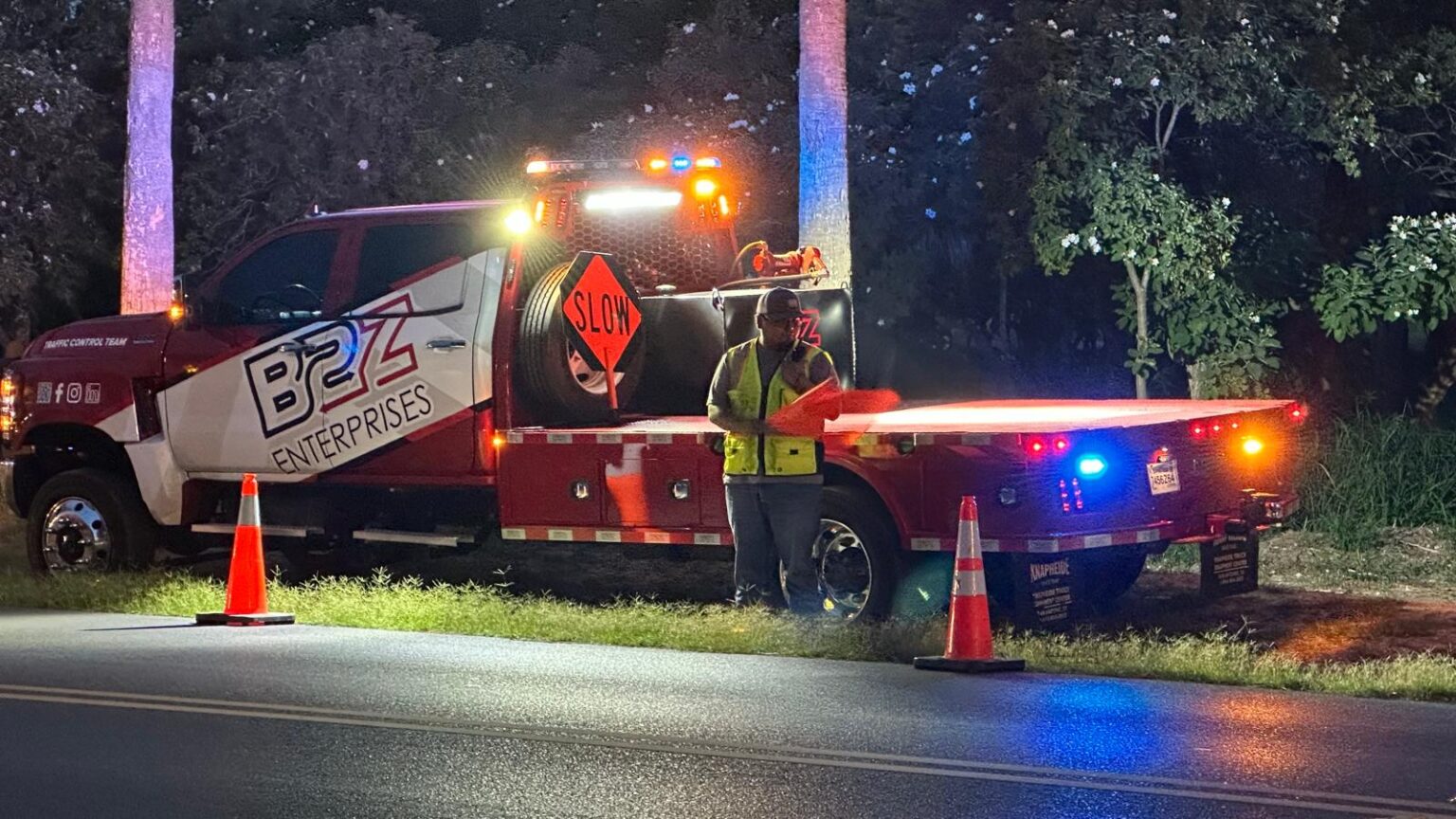
Flagging is not just holding a stop/slow paddle. In Fort Worth, it is a specialized skill that requires knowledge of local traffic patterns, pedestrian behavior, and event schedules. Our flaggers are all certified to MUTCD Chapter 6E standards and trained in real-time radio communication with construction crews.
- Downtown urban canyons: On Main Street near Sundance Square, one-lane operations must work within tight building-to-building corridors where visibility is limited. Our flaggers position themselves at key decision points to guide drivers safely through the zone.
- Mixed-use developments: In the Near Southside and Cultural District, pedestrian safety is paramount. We use separate flagging protocols for foot traffic and vehicles, with designated crossing points and temporary pedestrian signals.
- Event traffic: The Stockyards and TCU game days create predictable surge periods. We schedule flagging operations to avoid event times or add extra flaggers when work must continue during those windows.
- School zones: Projects near schools require reduced speed limits, enhanced signage, and flaggers who are trained to manage children and school buses. We have worked on several school-zone projects in the Fort Worth ISD area.
Want results like this? B2Z Enterprises can help.
Where Are the Most Challenging Lane Closures and Highway Maintenance Zones in Fort Worth?
Some lane closures in Fort Worth are straightforward. Others are not. Here are the zones that test even experienced traffic control companies.
I-35W at the Panther Island Bridge Construction
This project involves partial closures over a waterway with bridge work happening below. The geometry is tight, and there is no room for error. Our team has supported lane closures here using temporary barrier systems and crash cushions that meet TxDOT standards for bridge-zone protection. Coordination with the Fort Worth Fire Department is essential because emergency vehicles need a clear path across the bridge at all times.
Highway 121 (Mid-Cities Connector)
This highway carries high-speed traffic merging from multiple directions. Night work is often required to avoid peak congestion, which introduces its own challenges: reduced visibility, driver fatigue, and the need for illuminated signage. We use high-intensity LED arrow boards and reflective channelizing devices on this corridor.
820 Near Lake Worth
Flooding risk is a real concern here. When heavy rain hits, low-lying sections of 820 near Lake Worth can flood quickly, turning a routine maintenance zone into an emergency situation. Our crews are trained to monitor weather conditions and have a rapid-demobilization plan that gets equipment and personnel out of harm’s way within 20 minutes of a flood warning.
White Settlement Road Over the Clear Fork Trinity River
Narrow bridges are a perennial challenge. The bridge on White Settlement Road over the Clear Fork Trinity River has no shoulder and limited room for cones or barriers. Our solution uses reduced lane widths with advanced warning signs and flaggers positioned at both ends of the bridge to control speed and spacing.
I-30 / Eastchase Parkway Interchange
Multi-week ramp closures at this interchange require extensive advance notification and detour signing. We worked on a ramp closure here that lasted 21 days, using a combination of portable changeable message signs (PCMS) and temporary pavement markings to guide drivers to the detour route. The City of Fort Worth traffic engineers signed off on the plan before any closures began.
How Can You Ensure Compliance with Fort Worth’s MOT and TTCP Regulations?
Compliance is not optional. The City of Fort Worth and TxDOT have clear requirements for any work that affects traffic flow. Here is what you need to know to stay compliant.
- Understand the updated 2024 standards: TxDOT and the City of Fort Worth have both updated their traffic control plan requirements in the past year. We stay current on every revision so our clients do not have to.
- Submit TTCPs through the Fort Worth online portal: Plans must be submitted at least 72 hours in advance. Our process includes a pre-submission review to catch any issues before they reach the city engineer.
- Include all required documentation: Every TTCP must contain a signing plan, taper lengths, cone and barricade spacing distances, and a contingency plan for unexpected conditions.
- Expect on-site audits: Fort Worth traffic engineers and police traffic units conduct random inspections. Your zone must match your approved plan exactly. We conduct our own internal audits weekly to ensure every active zone is audit-ready.
- Keep records: B2Z Enterprises maintains complete documentation for every project, including field revision logs, inspection reports, and close-out records. This protects you in case of a post-project liability claim.
Why Choose B2Z Enterprises for Your Next Fort Worth Construction Safety Project?
With 21 years in business and a TxDOT-certified team that knows Fort Worth inside out, B2Z Enterprises is the partner you need for any project that affects traffic. Our headquarters are at 900 S. Stewart Road. Ste 12, Mission, TX, but our crews are on Fort Worth roads every day. We have a full in-house fleet of arrow boards, crash cushions, portable signals, and attenuators—no rental delays, no equipment shortages. Need a same-day MOT/TTCP plan for an emergency utility cut? We have done it dozens of times. Need flagging services for a downtown project with pedestrian traffic? Our flaggers are certified and ready. You can reach us at 956-585-3773 to discuss your next project.
We have built deep partnerships with the Fort Worth Police Department and Fort Worth Fire Department, which means faster permit approvals and smoother coordination for lane closures that affect emergency routes. Our Google reviews reflect a 5/5 rating from 0 reviews—and while we are still building our online presence, every client we serve in Fort Worth gets the same commitment to safety, compliance, and on-time delivery.
Still have questions? Let’s discuss your needs personally.
Frequently Asked Questions About Construction Zone Safety Services in Fort Worth
How far in advance do I need to submit a TTCP for a Fort Worth project?
The City of Fort Worth requires TTCPs to be submitted through its online portal at least 72 hours before any work that affects traffic begins. Emergency utility cuts may qualify for an expedited process, but you still need a plan on file before work starts. B2Z Enterprises can generate and submit plans within 24 hours for emergency situations.
Do I need a separate permit for lane closures in Fort Worth?
Yes. Lane closures on city streets require a permit from the City of Fort Worth Transportation and Public Works Department. Closures on state highways (I-35W, I-30, 820, etc.) require a TxDOT permit. Your TTCP submission typically includes the permit application. B2Z Enterprises handles both city and state permits as part of our MOT/TTCP service.
What are the penalties for non-compliant work zones in Fort Worth?
Fines range from $500 to $5,000 per violation, depending on the severity and whether it is a first offense. Repeat violations can result in project shutdown orders and loss of bidding eligibility for future city contracts. On-site audits by Fort Worth traffic engineers and police traffic units are common, especially on high-visibility corridors like Hulen Street and I-35W.
How many flaggers do I need for a typical Fort Worth utility installation?
The number depends on the length of the work zone, the number of lanes affected, and whether pedestrians are present. For a standard single-lane closure on a collector street, one flagger is sufficient. For multi-lane closures or zones with pedestrian crossings, two or more flaggers may be required. B2Z Enterprises provides a free site assessment to determine the exact flagging configuration needed for your project.
Can you handle overnight work on Fort Worth highways?
Yes. Overnight lane closures on highways like I-35W and 820 are common for utility installations and maintenance work. Our crews are trained for reduced-visibility conditions, and we use high-intensity illuminated signage, LED arrow boards, and reflective barricades to ensure safety. Night work often requires additional advanced warning spacing, which we include in every overnight MOT plan.
Does B2Z Enterprises provide traffic control for private developments in Fort Worth?
Absolutely. We work with private developers, general contractors, and utility companies on projects ranging from new subdivisions in North Fort Worth to commercial developments in the Cultural District. Any project that affects a public right-of-way—driveway cuts, sidewalk closures, or lane shifts—requires a compliant traffic control plan, and we provide the same level of service for private projects as we do for municipal and state contracts.
Begin Your Journey With B2Z Enterprises
Excellence is just a conversation away.