
Top Places in Austin for Traffic Control Company Services — Expert Guide
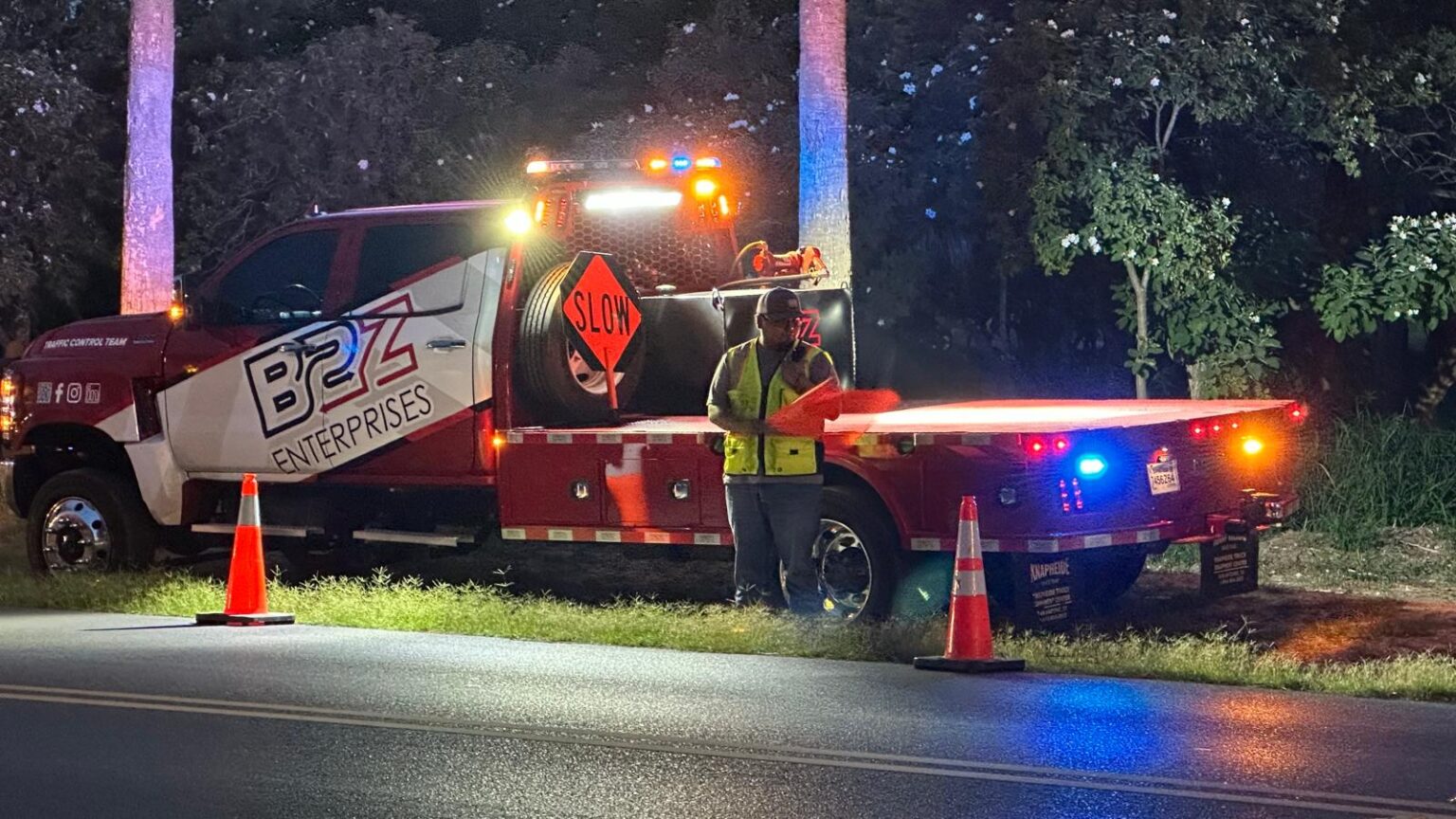
If you’re planning road work, utility installation, or a special event in Austin, you need a traffic control company that knows the city’s unique intersection of state regulations, dense urban streets, and rapid suburban growth. The short answer: the most critical zones are downtown, the I-35 corridor, and the booming suburban rings (Kyle, Buda, Round Rock, Pflugerville), where development outpaces existing infrastructure. Each area presents distinct challenges—from congested narrow streets near Lady Bird Lake to high-speed highway work on US 183—and requires a partner like B2Z Enterprises that understands both the TxDOT rules and local permitting nuances.
Why Do You Need a Traffic Control Company for Your Austin Project?
Austin’s construction and event sectors are among the busiest in Texas, and the stakes for safety and compliance are high. Whether you’re a contractor digging up a utility line on South Congress or a festival organizer closing a block near the Capitol, here’s why bringing in a certified traffic control firm isn’t optional:
- Compliance with local and state regulations: The City of Austin requires detailed Temporary Traffic Control Plans (TTCPs) for any work that interferes with public right-of-way, and TxDOT enforces strict Maintenance of Traffic (MOT) standards on state highways like I-35 and MoPac (Loop 1). A certified company like B2Z Enterprises ensures your plan meets every requirement, avoiding costly stop-work orders.
- Reducing liability and preventing accidents: Work zones are dangerous. According to the Texas A&M Transportation Institute (TTI), Texas work zone crashes increased by 11% in 2023. Proper flagging, signage, and barrier placement dramatically lower your risk of injury lawsuits.
- Maintaining traffic flow: Austin’s already-congested roads can’t afford unnecessary delays. Professional traffic control minimizes disruption using phased lane closures and off-peak scheduling.
- Access to certified flaggers and MOT planners: Our team holds ATSSA and TxDOT prequalifications, ensuring every worker knows the latest FHWA standards.
What Makes B2Z Enterprises the Go-To Traffic Control Provider in Austin?
We’re not just another traffic control company. B2Z Enterprises brings deep local experience—years of navigating Austin’s permit office on Boll Creek Drive, understanding the quirks of East Avenue construction zones, and knowing which neighborhoods have utility congestion issues. Our full suite includes MOT plans, TTCP design, flagging services, lane closures, and work zone audits. We’ve helped contractors avoid fines by pre-submitting plans that account for Austin’s noise ordinances (which limit work hours near residential areas like Hyde Park) and its special event deadlines (SXSW, ACL Fest).
Our local knowledge of high-traffic corridors—I-35, MoPac, US 183, SH 71—means we can anticipate bottlenecks before they happen. And because we’re based at 900 S. Stewart Road, Ste 12, Mission, TX, we maintain a rapid response team that can reach any Austin job site within two hours, ready with pre-staged equipment. Need help tonight? Call 956-585-3773 (our 24/7 dispatch line).
B2Z Enterprises — Trusted in McAllen, TX
Edinburg, TX
Pharr, TX
San Juan, TX
Alamo, TX
Donna, TX
Weslaco, TX
Mercedes, TX
Harlingen, TX
San Benito, TX
Brownsville, TX
Rio Grande City, TX
Roma, TX
La Joya, TX
Palmview, TX
or call 956-585-3773
Where Are the Most Critical Areas in Austin for Traffic Control Services?
Austin isn’t one uniform city—it’s a patchwork of dense urban core, sprawling suburbs, and rapidly developing corridors. Here are the zones where traffic control matters most:
| Area | Key Challenges | Typical Projects |
|---|---|---|
| Downtown Austin (Congress Ave, 6th St, Red River) | Narrow streets, high pedestrian & bike traffic, strict noise ordinances, frequent festivals | Utility upgrades, street resurfacing, event closures (SXSW, ACL) |
| I-35 Corridor (from US 290 to SH 45) | High-speed (70+ mph), heavy truck traffic, multiple flyovers, TxDOT jurisdiction | Highway maintenance, lane widening, bridge repairs |
| Suburban growth corridors (Kyle, Buda, Round Rock, Pflugerville) | Rapid new developments, unpaved roads, lack of existing traffic control infrastructure | Subdivision entrances, road expansions, water/sewer installations |
| East Austin & South Congress | Mixed-use zones with high pedestrian and bike volumes (e.g., near the South Congress Bridge bats) | Mixed-use development traffic control, sidewalk closures |
| Airport Boulevard & Riverside Drive | Old roads with narrow lanes, utility congestion, high bus routes | Road resurfacing, utility relocation for new development |
In downtown, for example, we recently helped a contractor resurface a block of Brazos Street during the South by Southwest festival. By coordinating with the City’s special events office, we used nighttime closures and off-peak flagging to keep traffic moving while protecting thousands of pedestrians. East Austin’s mixed-use boom—especially around the new Plaza Saltillo development—requires careful phased closures to maintain access for emergency vehicles and the new bike lanes.
How Do Temporary Traffic Control Plans (TTCP) Benefit Austin Construction Sites?
A TTCP is more than a set of cones. It’s a site-specific, engineered plan that adapts to Austin’s unique street layouts and traffic volumes. We design each TTCP in-house, incorporating accurate traffic counts (often supplied by the City’s Traffic Management Center on Ed Bluestein Boulevard) and accounting for peak hours, school zones, and event schedules. The benefits are real:
- Minimize delays for commuters and emergency vehicles – We model detours so that fire trucks responding to a station near 12th & Red River can still reach incidents quickly.
- Ensure worker and driver safety – Proper use of MUTCD-compliant signage, channelizing devices, and flaggers reduces the risk of intrusions into work zones.
- Required for any work interfering with public right-of-way – The City of Austin’s Transportation and Public Works Department requires a TTCP for all street, sidewalk, and utility work (per City Code Chapter 14-11). TxDOT also mandates MOT plans for state highway work (TxDOT Standard Specification Item 104).
Want results like this? B2Z Enterprises can help.
What Types of Projects in Austin Require MOT Plans and Flagging?
The rule is simple: if you disrupt the normal flow of traffic—cars, bikes, pedestrians, or transit—you need MOT/TTCP. Here are the most common projects in Austin that require our services:
- Highway maintenance and resurfacing – I-35, US 183, SH 45 all require detailed lane closure plans approved by TxDOT. We handle everything from full interstate closures (nighttime) to single-lane shifts.
- Utility installations – Water, gas, fiber, and electrical work in residential and commercial zones. Whether it’s a new gas line along Zilker Park or a fiber backbone down Burnet Road, our flaggers keep workers safe from distracted drivers.
- New commercial and residential developments – Subdivisions in Kyle, mixed-use in East Austin, and high-rises downtown all need temporary entrances, sidewalk closures, and flaggers during concrete pours.
- Special events – Festivals like ACL Fest at Zilker Park, the Austin Marathon, and parades require road closures and detours approved by the Austin Police Department. We coordinate with event planners to create safe, logistically sound closures.
- Road widening and intersection improvements – MoPac expansion projects, US 290 turn lanes, and new roundabouts near The Domain all require MOT plans that accommodate ongoing traffic.
How to Choose the Right Traffic Control Partner for Your Austin Project?
Not every traffic control company is prepared for Austin’s demands. Here’s what we recommend you look for:
- Verify certifications: Look for ATSSA-trained flaggers, TxDOT prequalification (we hold current prequalification for Traffic Control Plans), and familiarity with City of Austin permits (e.g., Street Impact Fee, Construction Access permits).
- Check local references: Ask for recent Austin projects. We can provide references from utility work on Riverside Drive and highway projects on I-35.
- Confirm 24/7 availability: Night work is common on highways. We maintain a team on call every night, plus a rapid-response unit for emergencies like water main breaks.
- Evaluate comprehensive services: A good partner does planning, permitting, execution, and close-out. We do it all in-house.
- Ensure local ordinance knowledge: Austin has strict noise restrictions (City Code 9-4-10) and lane closure windows. We know that no lane closures on MoPac are allowed during morning peak (6-9 AM) without special exemption.
What Are the Most Common Challenges with Traffic Control in Austin and How B2Z Enterprises Solves Them?
- High traffic volumes – We use phased lane closures and schedule work during off-peak hours (10 PM–5 AM for interstates). For example, on a recent US 183 maintenance project, our TTCP included a “crossover” pattern that kept two lanes open in each direction during rush hour.
- Pedestrian and bike safety – Downtown’s protected bike lanes (like on Bouldin Avenue) require dedicated flaggers we position at every crossing. We set up temporary crosswalks with ADA-compliant ramps.
- Permitting delays – The City’s permitting process can take 4–6 weeks. Our in-house planners prepare complete submittals with all required documents (traffic impact analyses, noise waiver requests, etc.) to avoid back-and-forth.
- Sudden weather or emergency closures – A storm knocks a tree onto MoPac? Our rapid response team deploys with pre-staged signs, cones, and message boards within two hours. We handle the Texas flood-prone surprise better than most.
How to Get Started with B2Z Enterprises for Your Next Austin Project?
Getting started is straightforward. Reach out to us at 956-585-3773 or visit our website. Share your project location, timeline, and scope of work. We’ll provide a custom MOT plan and cost estimate within 24 hours. From there, we schedule flaggers, deliver equipment, and assign on-site supervision. We stay with you through project close-out, including removal of all temporary control devices and a final work zone audit to prove compliance.
Don’t see your question? Ask B2Z Enterprises directly.
Frequently Asked Questions About Traffic Control in Austin
Do I need a TTCP for a small sidewalk repair in Austin?
Yes, if the work interferes with pedestrian or vehicle traffic in the public right-of-way, the City of Austin requires a Temporary Traffic Control Plan. Even a single-day sidewalk excavation needs a plan approved by the Traffic Management Division.
How long does it take to get a lane closure permit from TxDOT for I-35?
Typically 5–7 business days for a standard closure, but if the closure affects peak hours or involves multiple ramps, it can take 2–3 weeks. B2Z Enterprises expedites this by submitting complete paperwork and coordinating directly with TxDOT’s Austin District office.
Can you handle emergency traffic control after a crash on MoPac?
Absolutely. Our 24/7 dispatch team can arrive on site within 90 minutes with temporary traffic signals, cones, signs, and flaggers. We work closely with Austin Police and EMS to stabilize the scene and reopen lanes safely.
What is the cost of flagging services in Austin?
Rates vary based on project complexity, duration, and number of flaggers needed. Typical flagger rates in Austin range from $45–$65 per hour per flagger. B2Z Enterprises offers competitive pricing and can bundle flagging with planning and equipment rental.
Does Austin allow lane closures during SXSW?
Rarely. The City restricts non-emergency lane closures during major events (SXSW, ACL, Grand Prix) unless the closure is directly related to the event. We advise planning work outside event windows or using nighttime closures with special permits.