Local Guide
Beyond the Cone Zone: How Austin Contractors Can Reduce Liability by Partnering with a Certified Traffic Control Company — Comprehensive Guide
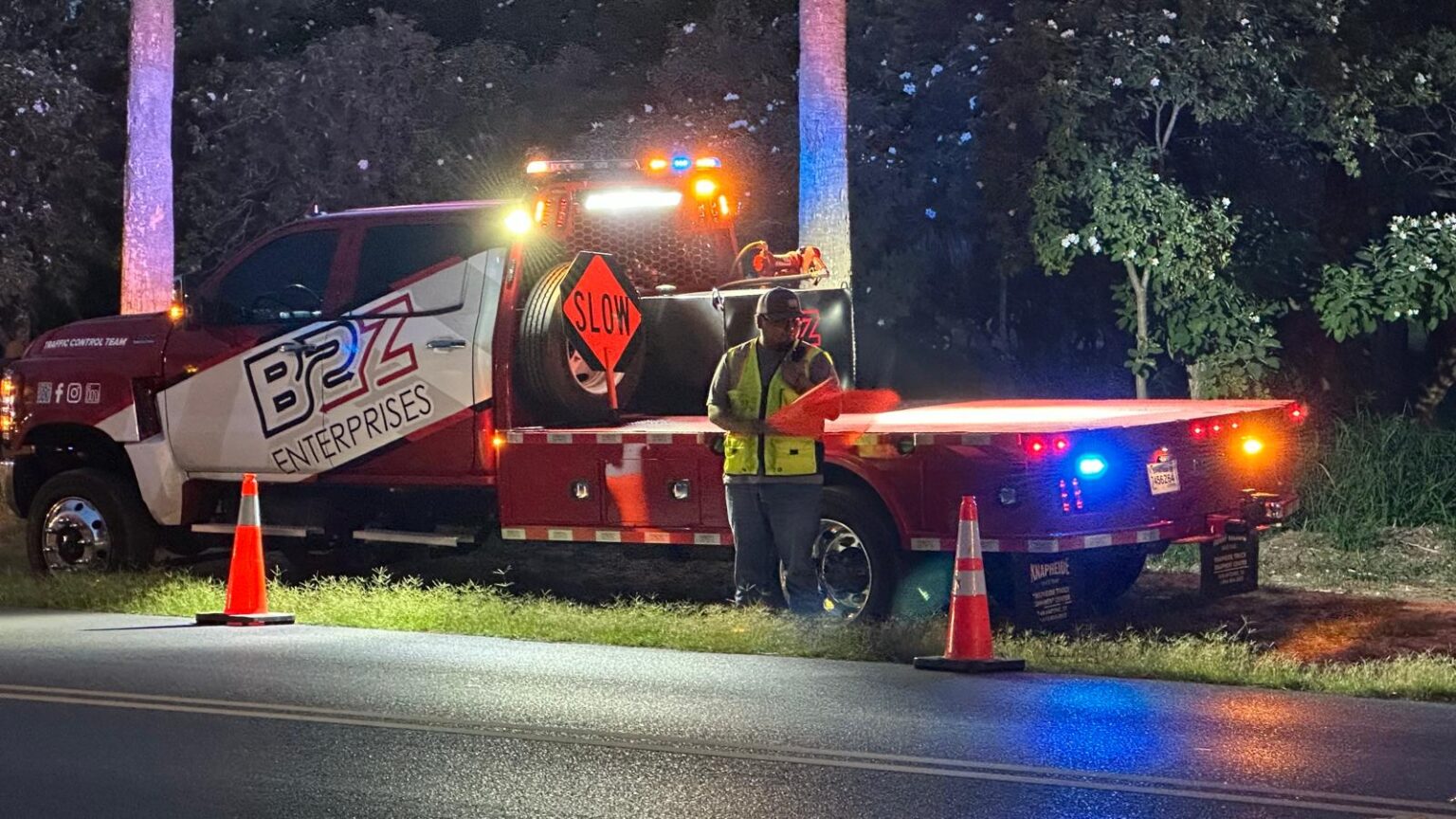
If you manage a construction, utility installation, or highway maintenance project in Austin, treating traffic control as an afterthought is a direct bet against your bottom line. Partnering with a certified traffic control company such as B2Z Enterprises shifts legal responsibility for work zone safety from your firm to a qualified specialist, reduces your exposure to costly claims, and ensures full compliance with Texas Transportation Code, MUTCD standards, and City of Austin ordinances. This is not about placing cones—it is about deploying a defensible, documented Maintenance of Traffic (MOT) plan that protects your crew, the public, and your license.
Why Should Austin Contractors Treat Traffic Control Liability as a Business Risk?
Austin’s explosive growth has turned its major corridors into perpetual construction zones. Work on I-35, Mopac (Loop 1), SH 71, and US 183 now competes with daily commuter volumes that exceed pre-pandemic levels. Every lane closure, flagger station, and temporary sign introduces liability exposure. The legal framework governing these operations is not optional: the Texas Transportation Code, OSHA construction safety standards, the Federal Highway Administration’s Manual on Uniform Traffic Control Devices (MUTCD), and Austin’s own municipal code all impose specific duties on contractors.
📞
Edinburg, TX
Pharr, TX
San Juan, TX
Alamo, TX
Donna, TX
Weslaco, TX
Mercedes, TX
Harlingen, TX
San Benito, TX
Brownsville, TX
Rio Grande City, TX
Roma, TX
La Joya, TX
Palmview, TX
956-585-3773
Common liability triggers include improper lane closure setups, missing or damaged advance warning signs, flagger errors in hand-signal protocols, and pedestrian or bicycle incidents in work zones. A single citation or lawsuit can exceed your general liability policy limits, spike your experience modification rate for years, or—under Texas law—jeopardize your contracting license. The financial impact is real. According to the Texas Department of Transportation, work zone crashes in the state resulted in over 170 fatalities in a recent reporting year, and contractors found at fault face both civil liability and regulatory action.
There is a critical distinction between “putting out cones” and implementing a professional Maintenance of Traffic (MOT) plan. The former is guesswork; the latter is an engineered, documented, and enforceable safety protocol that Austin municipal agencies and TxDOT require for any project affecting public roadways.
What Legally Distinguishes a Certified Traffic Control Company from a General Subcontractor?
A general subcontractor may offer to handle traffic control as an add-on service, but certification matters in the eyes of the law and your insurance carrier. A certified traffic control company employs technicians trained by the American Traffic Safety Services Association (ATSSA), holds TxDOT pre-qualification status, and uses locally licensed traffic control supervisors who understand Austin-specific requirements.
Certification directly affects insurance and bonding. A certified partner carries higher general liability limits, workers’ compensation coverage specifically endorsed for work zone hazards, and liability waivers that name your company as an additional insured. In contrast, a general subcontractor’s policy may contain exclusions for traffic control operations, leaving you exposed.
Austin adds its own layer of complexity. The City of Austin requires specific Street Impact fees for lane closures, enforces noise ordinances that restrict night work hours, and demands special event permits for closures during SXSW, ACL Fest, and other major events. A certified company with local experience—like B2Z Enterprises—understands these requirements and documents compliance for every project, creating a clear accountability chain from plan design through implementation and inspection.
How Does a Customized MOT Plan (Maintenance of Traffic) Actually Reduce Legal Exposure?
An MOT plan is a legally required document under MUTCD Part 6 and TxDOT’s Standard Specifications. It governs every traffic control measure in your work zone. When an incident occurs—whether a motorist strikes a barrel or a pedestrian trips over a sign base—the MOT plan becomes the primary evidence of your due diligence.
A defensible MOT plan includes site-specific analysis of traffic volumes, speed management strategies (using temporary traffic signals or portable message boards), pedestrian and bicycle routing per ADA and PROWAG guidelines, and temporary barrier placement. Common citations that this plan prevents include improper taper lengths (MUTCD Table 6C-3), missing advance warning signs, non-compliant channelizing devices, and failure to provide positive protection between work spaces and travel lanes.
B2Z Enterprises creates site-specific MOT plans that comply with both TxDOT standards and City of Austin requirements. Each plan is documented, reviewed daily, and archived as part of the project record. If litigation arises, a properly designed MOT plan demonstrates that your firm exercised reasonable care—the central defense in any negligence claim.
What Are the Most Common Liability Pitfalls for Austin Contractors Who Rely on In-House Traffic Control?
Relying on in-house crews for traffic control introduces risks that a certified specialist eliminates. The most frequent pitfalls include lack of specialized training—flaggers who do not know MUTCD hand-signal protocols or how to respond to emergency vehicles. Equipment failures are equally dangerous: cones stored in hot trucks lose retroreflectivity, signs fade, and crash cushions go uninspected. Without a daily pre-work checklist or mid-shift audits, these issues compound until a citation or crash occurs.
Austin’s variable conditions add further risk. Sudden afternoon thunderstorms reduce visibility for nighttime work zones. Unexpected traffic pattern shifts from special events or adjacent construction projects require real-time adjustments. In-house crews rarely have the authority or training to modify a plan on the fly, leading to non-compliant setups that invite liability.
Want results like this? B2Z Enterprises can help.
How Does Partnering with a Certified Company Affect Austin Contractors’ Insurance Premiums and Bonding Capacity?
Insurance carriers increasingly require prime contractors to use certified, insured traffic control subcontractors as a condition of coverage. When a certified partner provides a certificate of insurance naming your company as an additional insured, it directly reduces your general liability premium by removing the traffic control exposure from your policy’s primary layer.
Proper MOT documentation also reduces claim frequency. Fewer claims mean a lower experience modification rate, which translates to lower workers’ comp and liability premiums across all your projects. Bonding companies view certified traffic control as a risk-mitigation factor when evaluating large municipal projects. A documented history of compliant work zone safety improves your bonding capacity and can open doors to higher-value contracts with the City of Austin and TxDOT.
B2Z Enterprises offers immediate COI issuance and maintains high-limit general liability and auto coverage, giving Austin contractors the documentation they need to satisfy owner requirements and insurance audits.
What Specific Services Should Austin Contractors Look for in a Traffic Control Partner (Beyond Basic Flagging)?
Basic flagging alone is insufficient for the complexity of Austin’s work zones. A full-service traffic control partner should offer MOT plan design and approval support, temporary traffic signal installation and operation, lane closure setup and monitoring, and work zone safety audits throughout the project duration. Twenty-four-hour availability is essential for emergency utility work, crash cleanup, or short-notice lane closures on congested routes like I-35 frontage roads or Loop 360.
Equipment fleet condition is another critical factor. Portable message boards, arrow boards, truck-mounted attenuators (TMA), and temporary barriers must be inspected, clean, and fully functional. Technology integration—including real-time traffic data feeds to adjust plans dynamically, digital pre-job photos for documentation, and electronic inspection reports—provides an audit trail that protects your firm in litigation.
B2Z Enterprises offers turnkey solutions from plan creation through implementation, daily monitoring, and final removal, giving Austin contractors a single point of accountability for all work zone safety.
How Can a Written Partnership Agreement with a Certified Traffic Control Company Shift Liability Away from the Prime Contractor?
A written partnership agreement with a certified traffic control company is the most effective tool for managing liability transfer. The agreement should include contractual indemnification and hold-harmless clauses specifically covering traffic control operations. It must require the traffic control company to maintain its own MOT plan approval from Austin/TxDOT, ensuring that responsibility for plan compliance sits with the specialist, not the prime.
Clear scope of work delineation prevents disputes over who sets signs, who monitors overnight closures, who handles permit applications with the City of Austin, and who inspects equipment. Insurance provisions should include waiver of subrogation language to prevent lawsuits between the prime contractor and the traffic control subcontractor. B2Z Enterprises provides standard partnership agreements that meet Austin contractor requirements and are reviewed by local construction attorneys to ensure enforceability.
What Steps Should an Austin Contractor Take to Choose and Onboard a Certified Traffic Control Partner?
Selecting the right partner requires due diligence beyond a phone quote. Verify current certifications: ATSSA training records, TxDOT pre-qualification status, and an active Austin business license. Request sample MOT plans and past reports from projects similar to yours—utility tie-ins along Burnet Road, highway maintenance on Mopac, or road widening on SH 71. A certified company will share these willingly; one that hesitates likely lacks documentation.
Schedule a mock site visit to evaluate equipment condition, personnel professionalism, and communication flow. Watch how the crew sets up a lane closure: do they use proper taper lengths? Do they inspect retroreflectivity? Is the chain of command clear for daily reporting, emergency plan changes, and incident documentation? B2Z Enterprises offers a free initial consultation and on-site evaluation for any Austin contractor considering a partnership.
What Is the ROI of Using a Certified Traffic Control Company for Austin Utility Installation and Highway Maintenance Projects?
The return on investment from certified traffic control is measurable and substantial. Reduced project delays come from proper lane closure permitting—fewer ticketed work stoppages from Austin Code Enforcement or TxDOT inspectors. Lower legal defense costs follow when every plan is documented, defensible, and compliant. Fewer worker injuries result from certified flaggers who understand proximity to traffic and emergency response protocols.
A contractor’s reputation with Austin municipal agencies improves when they consistently show up with professional traffic control. That reputation translates directly into more repeat work and favorable consideration during bid evaluations. The Associated General Contractors of America notes that prime contractors who prioritize certified work zone safety see lower total project costs over time due to reduced incident-related expenses.
B2Z Enterprises helped a local utility contractor reduce annual liability claims by 60% over an 18-month partnership. The savings in premiums, deductibles, and legal fees more than covered the cost of our services.
How Can B2Z Enterprises Provide a Turnkey Maintenance of Traffic Solution for Austin’s Busiest Corridors?
B2Z Enterprises serves as a single point of contact for MOT design, permit filing with the City of Austin and TxDOT, flagging crews, equipment rental including portable message boards and attenuator trucks, and post-project reporting. Our local experience spans Austin’s unique traffic patterns—including the seasonal surges from SXSW and ACL Fest—and construction moratoriums that affect when and where lane closures are allowed.
Our 24/7 dispatch handles emergency lane closures on I-35, Loop 360, and other high-risk roads within hours. Every project carries a compliance guarantee: all work meets or exceeds TxDOT, MUTCD, and City of Austin standards. We back that guarantee with documentation that protects you in any legal or regulatory review.
Proper traffic control is not a cost center; it is a liability shield that protects your firm’s financial health and reputation in Austin’s competitive construction market. For deeper insight into how work zone safety applies specifically to utility projects, see our guide on Mastering TxDOT Traffic Control for Utility Installation and our analysis of why utility traffic control matters more than ever.
| Factor | Certified Traffic Control Company | In-House Crew |
|---|---|---|
| MOT Plan Compliance | Site-specific, MUTCD-compliant, documented | Often generic or verbal instructions |
| Insurance & Liability | High limits, additional insured endorsement, waiver of subrogation | Exposure remains on prime contractor’s policy |
| Training & Certification | ATSSA-trained, TxDOT pre-qualified | Variable; often minimal formal training |
| Equipment Condition | Inspected, compliant retroreflectivity, TMA trucks available | Aging equipment, no regular inspection schedule |
| Permitting & Local Knowledge | City of Austin and TxDOT permit expertise | Limited awareness of Austin-specific rules |
| Incident Documentation | Daily reports, digital photos, audit trail | Rarely documented; hard to defend |
| Claim History Impact | Reduces claim frequency and severity | Higher claim risk increases premiums |
More questions? B2Z Enterprises has answers.
Frequently Asked Questions
What is the difference between an MOT plan and a TTCP?
An MOT (Maintenance of Traffic) plan is the overarching document that governs how traffic is managed through a work zone, including lane closures, detours, and pedestrian routing. A TTCP (Temporary Traffic Control Plan) is a more detailed, site-specific plan that implements the MOT strategy. Both are required under TxDOT and MUTCD standards, and a certified traffic control company can prepare either depending on project scope.
Does the City of Austin require a permit for every lane closure?
Yes. The City of Austin requires a Right-of-Way Construction Permit for any lane closure on city streets. Additional fees may apply for Street Impact, and closures during special events like SXSW require separate authorization. Failure to obtain proper permits can result in fines, work stoppage orders, and increased liability exposure. A certified traffic control company handles all permit applications as part of its service.
How does using a certified traffic control company affect my general liability insurance premium?
Insurance carriers typically reduce premiums when a prime contractor subcontracts traffic control to a certified, insured specialist. The traffic control exposure is moved off the prime’s primary policy, lowering the overall risk profile. Additionally, fewer claims and better documentation improve your experience modification rate over time.
What should I look for when reviewing a traffic control company’s certificate of insurance?
Verify that the certificate names your company as an additional insured, includes waiver of subrogation language, lists coverage limits of at least $1 million per occurrence for general liability, and includes workers’ compensation coverage with no exclusions for traffic control operations. The carrier should be rated A- or better by A.M. Best.
Can a certified traffic control company handle emergency lane closures on I-35?
Yes. B2Z Enterprises offers 24/7 dispatch for emergency lane closures on I-35, Loop 360, SH 71, and other high-risk Austin corridors. Our crews can mobilize within hours with compliant equipment, temporary traffic signals, and full MOT documentation to minimize your liability exposure.
How do I verify a traffic control company’s TxDOT pre-qualification status?
You can verify TxDOT pre-qualification by requesting the company’s TxDOT certificate number and cross-referencing it with the TxDOT pre-qualification database online. B2Z Enterprises provides its current pre-qualification documentation upon request and maintains compliance with all TxDOT and City of Austin requirements.