
Why Highway Maintenance Traffic Control in San Antonio Matters More Than Ever
San Antonio’s highways—from the congested I-35 corridor through downtown to the sprawling Loop 410 exchange at I-10—are under constant pressure from explosive population growth, heavy commercial truck traffic, and an unending schedule of road improvements. Proper traffic control services are the difference between a project that moves safely and efficiently and one that causes accidents, costly delays, and regulatory fines. Without a professionally designed Temporary Traffic Control Plan (TTCP) that meets TxDOT, FHWA, and OSHA standards, every work zone becomes an unacceptable liability.
What Makes San Antonio’s Highway Infrastructure Unique?
San Antonio isn’t just another fast-growing Sun Belt city; its highway network faces distinct pressures that demand specialized attention. The convergence of three major interstates—I-10, I-35, and I-410—creates choke points that frustrate commuters daily. Add the massive volume of commercial truck traffic feeding the Port of San Antonio and regional distribution centers, and you have a recipe for gridlock the moment a lane closes without warning.
Step 1: Find Your Expert in McAllen, TX
Edinburg, TX
Pharr, TX
San Juan, TX
Alamo, TX
Donna, TX
Weslaco, TX
Mercedes, TX
Harlingen, TX
San Benito, TX
Brownsville, TX
Rio Grande City, TX
Roma, TX
La Joya, TX
Palmview, TX
B2Z Enterprises is your local resource. Here’s how to get started.
Call 956-585-3773
The city’s population has surged past 1.5 million, with new master-planned communities like those near The Dominion and the area around UT Health San Antonio adding thousands of vehicles to already strained corridors. Meanwhile, aging infrastructure requires constant maintenance, meaning work zones pop up on critical routes year-round. Unlike temporary event traffic control, highway maintenance projects demand plans that account for high-speed approaches, limited shoulder space, and the unpredictable behavior of drivers unfamiliar with the area.
How Does Improper Traffic Control Impact Safety and Efficiency?
The consequences of weak or absent traffic control in San Antonio work zones go far beyond a few angry honks. According to the Texas A&M Transportation Institute, Texas consistently ranks among the states with the highest number of work zone crashes, with rear-end collisions representing the majority of incidents. When temporary traffic control is poorly designed or improperly maintained, the risk of severe injury or fatality spikes—for both workers and the driving public.
Delays are not just an inconvenience. A ten-minute backup on I-410 during peak hours can cascade into hour-long delays across the entire northwest side of the city, costing local businesses thousands in lost productivity. Emergency vehicles lose precious minutes navigating poorly marked lane shifts, and contractors face legal liabilities that can cripple a small operation. Improper traffic control also invites fines from TxDOT and increases workers’ compensation and general liability insurance premiums across the board.
For example, a general contractor working on a pavement rehabilitation project near the intersection of Wurzbach Road and I-10 came to B2Z Enterprises because their previous traffic control provider had failed to maintain proper taper lengths, causing a string of near-misses and a formal complaint from the San Antonio Police Department. Our team conducted an on-site review, redesigned the TTCP in compliance with Part 6 of the MUTCD and Texas-specific TxDOT standards, and deployed experienced flaggers and advanced warning signs within 24 hours. The client completed the project on schedule with zero incidents and received no citations during subsequent TxDOT inspections.
Want results like this? B2Z Enterprises can help.
What Are the Key Components of an Effective Temporary Traffic Control Plan (TTCP)?
Step 2: Learn About Maintenance of Traffic (MOT) Plans
B2Z Enterprises can guide you through every detail. Reach out with questions.
A TTCP is not a generic checklist—it is a site-specific document that dictates every element of a work zone’s traffic management. The Federal Highway Administration’s Manual on Uniform Traffic Control Devices (MUTCD) sets the baseline, but Texas adds its own supplementary requirements that contractors must follow to the letter. An effective plan includes:
- Traffic control devices: signs, cones, barriers, and delineators placed according to precise spacing and advance-warning distances based on posted speed limits.
- Flagging operations: trained personnel certified in flagging procedures, including two-way radio communication and emergency response protocols.
- Lane closure coordination: timing restrictions (e.g., no peak-hour closures on I-35) and proper taper setups that allow drivers to merge safely.
- Pedestrian and bicyclist considerations: compliant with ADA Title III requirements, ensuring accessible detours and protected paths around work zones—critical in areas near the Pearl District and the River Walk.
- Compliance with MUTCD Part 6 and TxDOT standards: including the Texas Manual on Uniform Traffic Control Devices (TMUTCD) and local municipal permit requirements.
Skipping any of these components creates gaps that put everyone at risk. For San Antonio highway maintenance projects, the margin for error is razor-thin because traffic volumes rarely drop below 50,000 vehicles per day on major routes.
Why Is Professional MOT Planning Critical for Highway Maintenance Projects?
Maintenance of Traffic (MOT) planning is the operational backbone that turns a static TTCP into a living, adaptable safety system. A well-planned MOT reduces driver confusion by providing consistent, predictable guidance through the work zone. It ensures worker safety by maintaining physical separation from live traffic using barriers and vehicle-mounted attenuators where required. And it minimizes traffic disruptions by sequencing lane closures during off-peak windows—something that demands deep knowledge of San Antonio’s unique congestion patterns.
Professional MOT planning also accounts for changing conditions such as sudden rainstorms, evening football games at the Alamodome, or special events at La Villita that alter traffic flow. Contractors who attempt to cut corners by relying on generic plans or untrained crews quickly discover that TxDOT permit reviewers will flag deficiencies, delaying projects by weeks and increasing costs.
Professional MOT Planning vs. Improvised Traffic Control
| Criterion | Professional MOT Planning | Improvised Traffic Control |
|---|---|---|
| Compliance with MUTCD & TxDOT | 100% compliant; plans reviewed and approved | Often incomplete; subject to fines and stop-work orders |
| Worker Safety | Physical separation, proper signage, trained flaggers | Minimal protection; high risk of incidents |
| Traffic Delay Impact | Minimized via timing and adaptive strategies | Unpredictable; frequent backups and road rage incidents |
| Emergency Vehicle Access | Planned routes and communication protocols | No coordination; blocked access common |
| Legal Liability | Low; insurance premiums stable | High; lawsuits and rate increases likely |
How Can B2Z Enterprises Help San Antonio’s Highway Maintenance Projects?
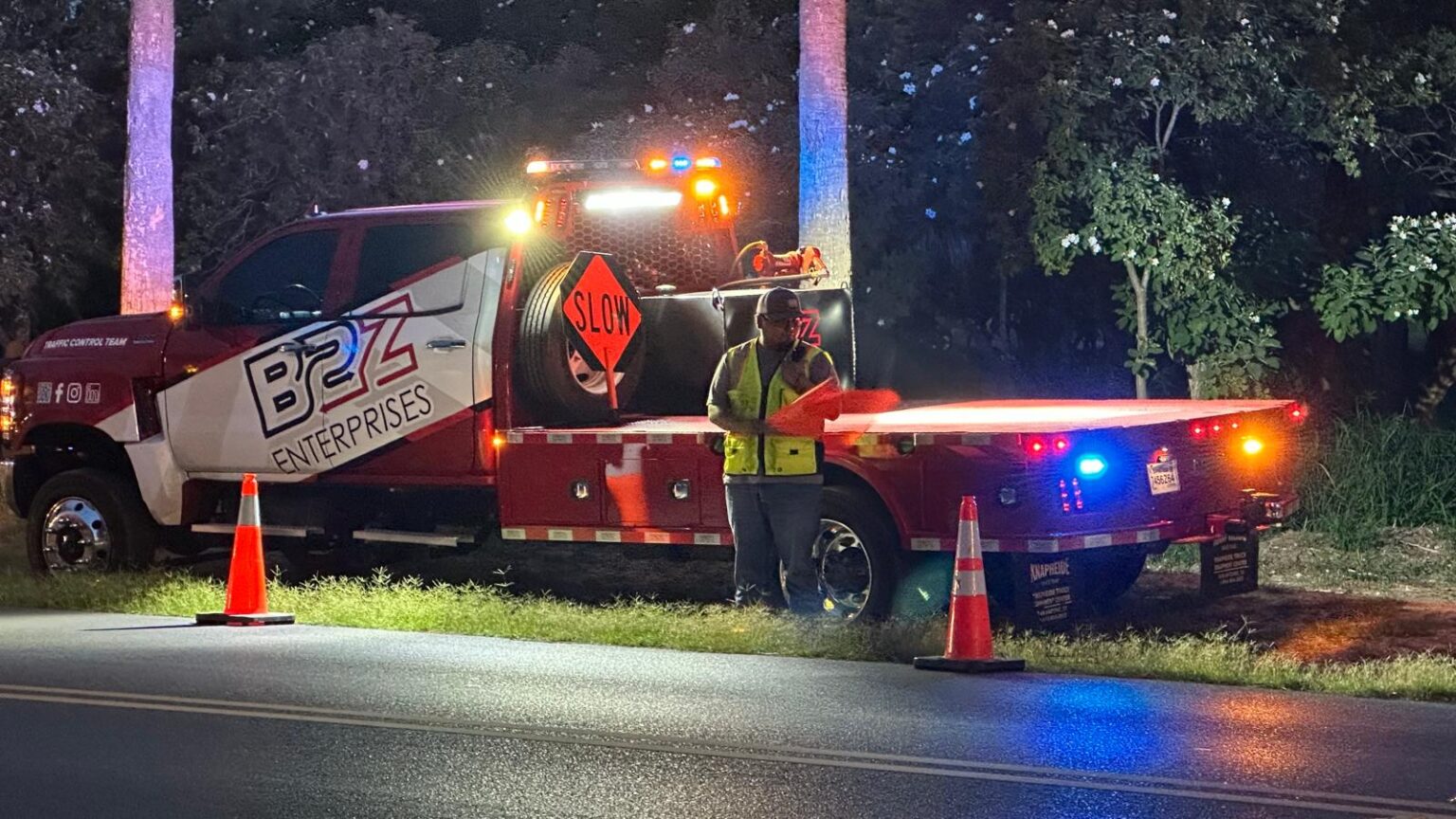
B2Z Enterprises is a TxDOT-certified traffic control company with crews that specialize in delivering fully compliant work zone safety solutions across Texas. For San Antonio highway maintenance projects, we bring more than just equipment—we bring local knowledge of every problematic interchange, every permit office expectation, and every common driver behavior that catches outside contractors off guard.
Our customized MOT plans address the specific geometry and traffic patterns of San Antonio’s roadways, whether it is a lane closure on the I-35 downtown stretch or a multi-day project near Loop 410 and Bandera Road. We provide experienced flaggers and traffic control technicians who hold current certifications and understand the importance of clear communication with both drivers and project managers. Our 24/7 support means we can mobilize for emergency lane closures caused by accidents or weather events, often within hours.
We also maintain a proven track record with TxDOT and local municipal agencies, which accelerates permit approvals and reduces the likelihood of surprise inspections turning into fines. For contractors looking to avoid the pitfalls described in The Essential Checklist for Highway Maintenance Traffic Control in San Antonio: Avoiding Costly Delays and Fines — Comprehensive Guide, partnering with an experienced MOT provider is the single most effective step.
Beyond compliance, we are committed to innovation in work zone safety. Technologies such as automated flagger assistance devices, real-time traffic monitoring, and data-driven lane closure scheduling are becoming standard on our larger projects. These tools allow us to adjust plans dynamically, keeping traffic flowing safely even when conditions change mid-project.
What Are the Consequences of Neglecting Traffic Control in Work Zones?
The costs of inadequate traffic control extend well beyond a single ticket. Work zones that lack proper advance warning signs or correct taper configurations see significantly higher accident rates. In Texas, the San Antonio Express-News has reported on multiple fatalities in work zones along I-10 where basic traffic control devices were missing or improperly placed—tragedies that could have been prevented with proper planning.
Contractors who neglect traffic control face project delays when TxDOT issues stop-work orders pending plan corrections. They also experience cost overruns from rework, legal fees from incident lawsuits, and sharp increases in workers’ compensation and liability insurance premiums. Damage to reputation follows quickly: a single well-publicized incident can make it harder to win future bids with both public agencies and private developers. And regulatory fines from TxDOT or OSHA for non-compliance with MUTCD Part 6 or Texas-specific standards can run into the tens of thousands of dollars per violation.
When Should Highway Maintenance Traffic Control Be Reviewed or Updated?
A traffic control plan should never be treated as a set-and-forget document. Circumstances in San Antonio change rapidly, and the TTCP must keep pace. Specifically, plans should be reviewed and updated:
- Before major changes in traffic patterns — such as the opening of a new development near La Cantera or a major shift in school district attendance zones that alters rush-hour volumes.
- After any incident or near-miss — regardless of whether injuries occurred; even a minor sideswipe signals a design flaw that needs correction.
- When new construction phases begin — each phase changes the geometry of the work zone and requires a fresh assessment of taper lengths, signage placement, and flagger positioning.
- During seasonal or event-based traffic surges — including Fiesta San Antonio, NFL games at the Alamodome, and the holiday shopping season when traffic volumes spike unpredictably.
- When regulations or best practices evolve — TxDOT updates its standards periodically, and keeping the plan current ensures compliance without last-minute scrambles.
How Does San Antonio’s Growth Affect Future Traffic Control Needs?
San Antonio is not slowing down. New housing developments and commercial zones are pushing outward along every major corridor, from the far north side near Bulverde Road to the growing employment centers around Port San Antonio. This expansion brings more vehicles onto roads that were designed decades ago for much lower volumes, making maintenance projects both more frequent and more complex.
The expansion of public transit and bike lanes—particularly in the urban core near the Pearl District and along the Broadway corridor—adds new users that a traffic control plan must accommodate safely. At the same time, the aging of the city’s road base means more subsurface repairs and utility installations are needed each year, each requiring temporary traffic control that meets TxDOT standards.
Smart city initiatives are beginning to influence traffic control as well. Dynamic message signs, connected vehicle alerts, and real-time traffic data integration are no longer experimental—they are becoming expected by both regulators and the public. For companies like B2Z Enterprises, this means investing in scalable, data-driven solutions that can adapt to San Antonio’s evolving infrastructure landscape.
Contractors who recognize this trend and plan accordingly will be better positioned to win bids and complete projects without incident. Those who do not will find themselves struggling to keep up, as described in Top Places in San Antonio for highway maintenance traffic control Services — Expert Guide.
What Does a Traffic Control Plan Cost, and Is It Worth It?
Many contractors hesitate to invest in professional traffic control services because of upfront costs. But the real question is: what does inadequate traffic control cost? A single crash or fine can wipe out the savings from using a cheaper, less experienced provider. Professional plans from a company like B2Z Enterprises typically include site assessments, custom plan drawings, permit coordination, certified flaggers, quality signage, and ongoing monitoring. When weighed against the potential for project delays, legal liability, and increased insurance premiums, the investment in professional traffic control is minimal.
For reference, a typical lane closure on a San Antonio highway for a three-day maintenance project might require a dedicated TTCP, two to four flaggers per shift, temporary signage, and barrier placement. The total cost is a fraction of what a single lawsuit or TxDOT penalty could run. Experienced contractors know that budget line items for traffic control are not optional overhead—they are essential risk management.
Frequently Asked Questions
What is a TTCP and why is it required for highway maintenance in San Antonio?
A Temporary Traffic Control Plan (TTCP) is a site-specific document that dictates every detail of how a work zone will manage traffic. It is required by TxDOT and the MUTCD for any project that affects public roadways in Texas. The plan must account for lane closure timing, signage placement, taper lengths, flagger positioning, and pedestrian accommodations. Without an approved TTCP, a contractor cannot legally perform work that disrupts traffic on San Antonio highways.
How often should a traffic control plan be updated during a project?
A TTCP should be reviewed and updated at every phase change, after any incident or near-miss, when traffic patterns shift (e.g., due to a new development or event), and whenever TxDOT updates its standards. Sticking with an outdated plan is one of the most common causes of work zone violations and accidents in San Antonio.
What are the penalties for non-compliance with TxDOT traffic control standards?
Penalties range from written warnings and stop-work orders to fines of thousands of dollars per violation. Repeat offenders may face suspension from bidding on future TxDOT projects. Additionally, non-compliance increases liability in civil lawsuits if an accident occurs, and it can lead to higher workers’ compensation and general liability insurance premiums.
Can a flagging company handle all types of highway maintenance work zones?
Not all flagging companies have the expertise or equipment to handle high-speed, high-volume highway work zones. For San Antonio’s major interstates, you need a company that understands advanced warning distance requirements, proper taper setups, and the specific TxDOT standards that apply to controlled-access highways. B2Z Enterprises provides flagging services that meet these rigorous requirements, backed by certified personnel and site-specific planning.
How do local events in San Antonio affect traffic control planning?
Events such as Fiesta San Antonio, Spurs games at the AT&T Center, and conventions at the Henry B. González Convention Center can dramatically alter traffic patterns. A traffic control plan that works during an off-peak period may become dangerous or ineffective when event traffic overwhelms the usual routes. Professional MOT planning accounts for these known events and includes contingencies for dynamic adjustments.
Should I hire a traffic control company based in San Antonio for local projects?
Working with a company that has local experience—like B2Z Enterprises—offers significant advantages. We know the specific permit requirements for each municipality, the common congestion patterns on every major route, and the typical inspection triggers that TxDOT uses in the region. This local knowledge translates into faster permit approvals, fewer on-site surprises, and better communication with local enforcement and emergency services.
Your Path to Success With B2Z Enterprises
Ready to Take the Next Step?
Now that you’re informed, let B2Z Enterprises put this knowledge to work for you.