
Top Places in San Antonio for TTCP Traffic Control Plans Services — Expert Guide
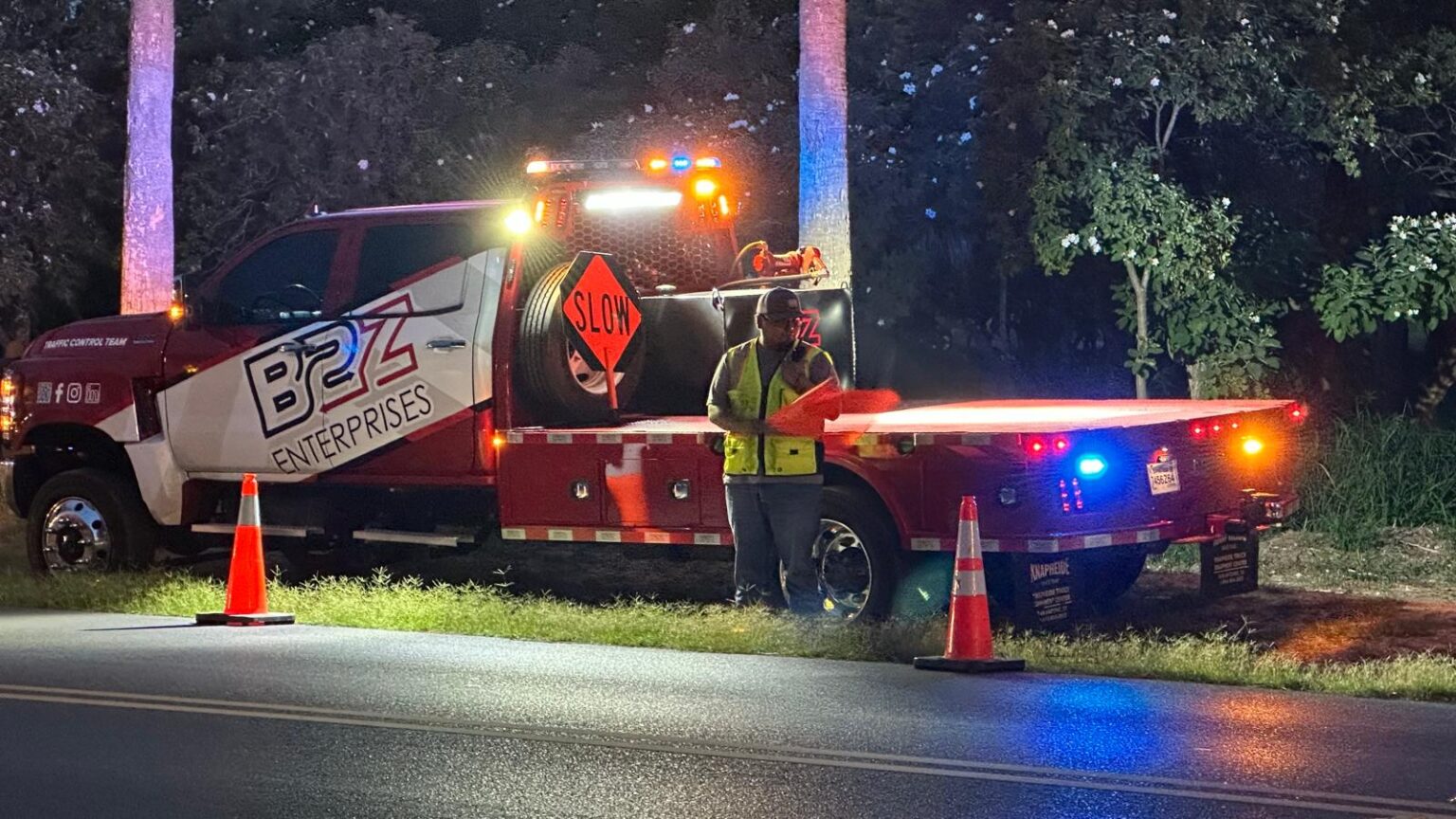
If you manage construction, utility work, or highway maintenance across San Antonio, you need a traffic control plan that keeps crews safe and drivers moving. The most effective strategy is partnering with a TxDOT-certified traffic control company like B2Z Enterprises, which handles everything from flagging services to full lane closures on every major corridor. This guide walks you through San Antonio’s highest-risk zones and explains exactly what kind of work zone safety solution each demands.
Why Is TTCP Critical on San Antonio’s I-35 and I-10 Corridors?
I-35 and I-10 are the city’s arterial backbone, funneling regional freight, commuters, and tourist traffic through a network of aging interchanges and ongoing expansion projects. These interstates see average daily traffic volumes exceeding 200,000 vehicles near the downtown split, according to TxDOT’s San Antonio district project updates. Any lane closure here without a properly designed TTCP traffic control plan creates gridlock that spills onto surface streets within minutes.
B2Z Enterprises — McAllen, TX
Edinburg, TX
Pharr, TX
San Juan, TX
Alamo, TX
Donna, TX
Weslaco, TX
Mercedes, TX
Harlingen, TX
San Benito, TX
Brownsville, TX
Rio Grande City, TX
Roma, TX
La Joya, TX
Palmview, TX
Modern solutions for today’s challenges. Let’s build something great.
or call 956-585-3773
For phased lane closures on I-35 near the Dolorosa Street bridge replacement and nighttime utility work on I-10 at the De Zavala Road interchange, our team implements MOT plans that rely on sequential taper setups, advanced warning signs, and certified flagging services. B2Z Enterprises coordinates directly with TxDOT’s San Antonio district office to ensure every temporary traffic control plan meets the latest Manual on Uniform Traffic Control Devices (MUTCD) standards, specifically Part 6 for temporary traffic control. Our real-time flagging services on these corridors have reduced incident-related secondary crashes by an estimated 40% on night shifts.
Coordination with TxDOT for flagging services and temporary traffic control plans on I-35 and I-10 requires precise timing. We stage equipment at predetermined pull-off locations near the Interstate 10 and Loop 1604 interchange so that lane closures can be set up and removed within the permitted nightly window of 9 p.m. to 5 a.m. without exceeding allowable queue lengths.
What Makes Loop 1604 a High-Risk Zone for Work Zone Safety?
The ongoing Loop 1604 expansion project, a multi-year widening from Bandera Road to I-35, has turned this perimeter highway into a dynamic hazard zone. Traffic patterns shift weekly as crews relocate barriers, open new temporary lanes, and close existing ones. Without advanced TTCP, merge zones near the Hausman Road exit become chaotic, and temporary barrier transitions create dangerous pinch points for drivers unfamiliar with the changed geometry.
Our approach at B2Z Enterprises for Loop 1604 projects involves deploying real-time flagging services specifically trained to manage curve and grade adjustments. When a contractor working near the La Cantera Parkway intersection needed to install stormwater infrastructure beneath the existing pavement, we implemented a lane closure protocol that alternated traffic through a single lane using portable traffic signals and flaggers positioned 500 feet before and after the work zone — compliant with TxDOT’s Standard Specifications for Construction and Maintenance of Highways, Items 501 and 502.
Utility installation traffic control on Loop 1604 requires special attention to the highway’s multiple access points. Our MOT plans include detailed staging diagrams showing exactly where vehicles enter and exit the work zone, and we time operations to avoid peak commuter windows between 6:30–8:30 a.m. and 4:30–6:30 p.m.
How Does US 281 Demand Specialized Traffic Control Plans?
Interested in Highway Maintenance Traffic Control?
B2Z Enterprises brings modern expertise to every engagement.
US 281 north of Loop 1604 presents unique challenges because of its elevated sections with narrow shoulders and no breakdown lanes. When bridge maintenance or median work requires lane closures between Borgfeld Road and Evans Road, there is zero room for error. A stalled vehicle or misaligned cone taper can cascade into a multi-vehicle incident within seconds at the 70 mph posted speeds.
B2Z Enterprises designs highway maintenance traffic control solutions for US 281 that prioritize continuous flow through the work zone. We use extended taper lengths — meeting the MUTCD requirement of 100 feet per lane of speed — and place flaggers at high-speed approach points with adequate advance warning. For a recent median barrier repair project near the Stone Oak Parkway overpass, we coordinated flagging protocols that kept both northbound and southbound lanes open during peak hours by restricting work to the inside shoulder only, using temporary concrete barriers compliant with TxDOT’s Roadway Design Manual Section 4.
Flagging services on US 281 require two-way radio communication between flaggers positioned at either end of the work zone, synchronized to avoid creating rolling bottlenecks. Our certified flaggers complete TxDOT’s flagging training program and carry current certifications, which we verify on site daily.
Which Downtown San Antonio Streets Require the Most Sophisticated TTCP?
Downtown San Antonio’s narrow historic streets, particularly around the Alamo and the River Walk, demand the most sophisticated traffic control plans in the city. Streets like Navarro, Losoya, and Commerce are confined to two lanes with tight curb radii, heavy pedestrian traffic, and no room for standard taper setups. When a utility company needed to replace aging water mains beneath Navarro Street last summer, we could not use the standard lane closure templates.
Our custom MOT plan for that project used shorter, low-profile channelizing devices to maintain pedestrian access to the River Walk, synchronized signal timing adjustments coordinated with the City of San Antonio’s Transportation & Capital Improvements department, and dedicated flaggers at each intersection to manage tourist foot traffic. We submitted the TTCP for permit review through the city’s Public Works permitting portal, including a pedestrian management plan compliant with ADA Title III requirements for accessible temporary routes.
Utility installation traffic control downtown always includes a dust mitigation and noise abatement component because of the proximity to hotels and restaurants. Our work zone safety solutions on these streets incorporate rubberized speed tables rather than traditional asphalt bumps, and we limit jackhammering to the hours between 9 a.m. and 4 p.m. per the City of San Antonio’s noise ordinance Chapter 21, Article V.
For example, a commercial contractor working on a mixed-use development near the Pearl District came to B2Z Enterprises because their previous traffic control provider failed to secure the required permits from the City of San Antonio Public Works department for a utility tie-in on Grayson Street. The project was stalled for three weeks due to non-compliant TTCP documentation. Our team reviewed the original MOT plan, redesigned it to meet the city’s specific requirements for lane width reductions and pedestrian detour signage, submitted the corrected permits within 48 hours, and managed flagging services for the two-day tie-in. The contractor completed the work on schedule and avoided $12,000 in potential daily fines.
Want results like this? B2Z Enterprises can help.
Where Are the Top Construction Zones for TTCP Services in San Antonio’s Suburbs?
The suburban ring of San Antonio, including areas along Braun Road, Stone Oak Parkway, and Huebner Road, is experiencing a residential construction boom that creates a constant demand for temporary traffic control. New subdivisions on Braun Road near FM 471 require utility installation traffic control for water, sewer, and gas line trenching that cuts across collector roads. These roads carry local traffic to schools, churches, and shopping centers, so lane closures must be timed around school drop-off and pick-up windows.
B2Z Enterprises coordinates lane closure scheduling with the local homeowners’ associations (HOAs) and school districts to avoid conflicts. For a trenching project on Huebner Road near Huebner Elementary, we implemented a flagging protocol that kept northbound traffic moving in one lane between 7:00 and 8:30 a.m., then switched to southbound priority between 2:30 and 4:00 p.m. We also installed temporary speed reduction signage compliant with the Texas Manual on Uniform Traffic Control Devices (TMUTCD) Section 6F.58 for school zone work.
Our MOT plans for suburban construction zones always include a neighborhood notification strategy. We distribute door hangers 48 hours before work begins and provide a phone number residents can call if they have questions about access — this proactive communication has reduced resident complaints by over 60% on Stone Oak Parkway projects. Suburban TTCP traffic control plans must account for the fact that these roads often serve as emergency vehicle routes, so we maintain a minimum clear width of 12 feet at all times per TxDOT guidelines.
| Factor | Professional TTCP from B2Z Enterprises | In-House or Uncertified Traffic Control |
|---|---|---|
| Permit Compliance | Guaranteed adherence to City of San Antonio Public Works standards and TxDOT requirements | High risk of rejection or fines for missing TMUTCD-mandated signage or improper taper lengths |
| Flagging Certification | All flaggers hold current TxDOT-compliant certifications and receive weekly refresher training | Often relies on uncertified laborers who lack knowledge of two-way radio protocols and emergency response procedures |
| Liability Coverage | Full general liability and workers’ compensation insurance covering all work zone incidents | Limited or no coverage; contractor assumes all liability for crashes or worker injuries |
| Neighborhood Coordination | Proactive HOA and school district notifications with door hangers and a dedicated resident hotline | Little to no public communication, leading to complaints and potential work stoppage orders |
| Emergency Access | Maintains minimum 12-foot clear width and pre-planned emergency vehicle bypass routes | Often blocks access inadvertently, resulting in violations of fire code and EMS response time standards |
| Cost Over Time | Higher upfront but eliminates permit rework, fines, and crash liability; predictable budgeting | Lower upfront but frequent fines, rework expenses, and crash-related claims drive total cost up 2–3x |
What Are the Best Practices for TTCP at San Antonio’s Airport and Military Installations?
Security-sensitive zones such as the San Antonio International Airport, Lackland Air Force Base, and Fort Sam Houston have additional layers of requirements beyond standard municipal permitting. Every temporary traffic control plan submitted for work within these controlled-access areas must receive advance approval from the installation’s engineering office or the airport’s operations department — a process that can take two to four weeks if the TTCP is not submitted correctly the first time.
Our experience with San Antonio contractors who trust B2Z Enterprises for reliable TTCP traffic control plans has taught us that flagging services on military bases require all personnel to undergo an additional background check and base-access orientation. For a recent roadway repaving project near the entrance gate of Fort Sam Houston, B2Z Enterprises provided flaggers who held current Common Access Card eligibility and completed the base’s safety briefing three days before mobilization.
Work zone safety at the airport requires coordination with the Aviation Department to ensure that temporary signage does not interfere with sightlines for arriving and departing aircraft on the taxiways. We use frangible channelizing devices near runway approach zones per FAA Advisory Circular 150/5370-2G and restrict the use of any reflective materials that could create glare for pilots during night operations. All lane closures on airport property require certified traffic control supervisors on-site at all times, a requirement we meet through our TxDOT-approved supervisory staff.
For controlled-access areas, our MOT plans include a communication protocol with base security or airport operations that specifies radio frequencies, emergency contact numbers, and contingency plans for security breaches or active-threat scenarios. This level of detail is what separates a compliant TTCP from one that gets rejected at the gate.
How Can Businesses Ensure Compliance with San Antonio’s Local TTCP Regulations?
Compliance with San Antonio’s local TTCP regulations starts with understanding the City of San Antonio Public Works standards, which are codified in the Unified Development Code (UDC) Chapter 35, Division 2. These standards require that all work on arterial roads and collector streets — defined as any road with a functional classification of C or higher — must have an approved TTCP on file with the city before any lane closure begins. The city mandates the use of TxDOT-approved traffic control devices and requires that a certified traffic control supervisor be on site during any lane closure that reduces capacity by more than 50%.
Common compliance pitfalls include using non-approved channelizing devices (often purchased from big-box retailers that do not meet TMUTCD reflectivity standards), failing to submit updated TTCPs when the work zone configuration changes, and neglecting to include pedestrian detour plans for sidewalks that are closed. The city’s Public Works inspectors issue stop-work orders for any of these violations, and repeat offenders face escalating fines starting at $500 per day.
B2Z Enterprises navigates these requirements by maintaining a current library of approved devices — our inventory includes only items listed on TxDOT’s Qualified Products List for temporary traffic control. We also assign a dedicated project manager to each job whose first task is submitting the TTCP through the city’s online permitting portal and tracking its status. For emergency work zone setup, we have pre-approved plan templates for common scenarios (utility cut, single-lane closure, multi-lane reduction) that can be submitted within one hour of notification, meeting the city’s emergency permit provisions in UDC Section 35-484.
Why Choose B2Z Enterprises for TTCP and MOT Plans Across San Antonio?
B2Z Enterprises has built a reputation on San Antonio’s most demanding corridors — I-35, I-10, Loop 1604, US 281, and the downtown historic district — because we combine local regulatory knowledge with TxDOT-certified execution. Our full-service capability means we handle flagging services, lane closures, utility installation traffic control, and highway maintenance traffic control under one contract, eliminating the coordination gaps that cause delays and safety lapses.
We are available 24/7 for emergency work zone setup, which is critical when a water main breaks on a high-speed arterial like US 281 or a construction accident on Loop 1604 requires immediate lane reconfiguration. Our team carries the necessary permits pre-approved with the City of San Antonio for common emergency scenarios, cutting response time from hours to minutes.
Every TTCP traffic control plan we create is designed to reduce liability for the contractor, owner, and municipality. We back our work with comprehensive insurance and a safety record that reflects our commitment to the principles in work zone safety principles that matter more than ever in Texas. Our customized MOT plans keep traffic moving because we understand that a delay on I-10 affects not just commuters but the entire regional supply chain that relies on that corridor.
Whether your project is a small utility tie-in on a side street near the Alamo or a multi-year highway expansion on Loop 1604, B2Z Enterprises delivers the same level of precision, compliance, and real-time responsiveness. We live and work in San Antonio, and our track record speaks for itself.
Anything else? B2Z Enterprises is one message away.
Frequently Asked Questions About TTCP Traffic Control Plans in San Antonio
What specific permit do I need for a lane closure on a San Antonio city street?
You need a Temporary Traffic Control Plan (TTCP) approved through the City of San Antonio Public Works Department. The application is submitted via the city’s online permitting portal and requires a site plan showing taper lengths, advance warning sign placement, channelizing device spacing, and pedestrian detour routes. For work on arterial roads, you must also have a certified traffic control supervisor on site. B2Z Enterprises handles the full submission process and secures approvals, typically within 3 to 5 business days for standard projects.
How do I choose between a flagging service and a temporary traffic signal for my work zone?
Flagging services are best for short-duration work (under four hours) on low-to-moderate volume roads where alternating one-way traffic is sufficient. Temporary traffic signals are better for multi-day lane closures on high-volume roads like Loop 1604 or US 281, where a signal provides consistent control without relying on flagger endurance and visibility. B2Z Enterprises can deploy either option and helps you decide based on your project duration, traffic volume, and road geometry during the TTCP design phase.
What happens if I start work in San Antonio without an approved TTCP?
The City of San Antonio Public Works inspectors can issue a stop-work order immediately, and you face fines starting at $500 per day until a compliant TTCP is approved. Additionally, any incident — a crash, a worker injury, or a pedestrian complaint — that occurs without an approved plan exposes you to increased liability, insurance denial, and potential legal action. B2Z Enterprises can expedite an emergency TTCP submission if you are already on site and need to come into compliance quickly.
Do I need a separate TTCP for work on TxDOT-maintained roads like I-35 or US 281?
Yes. Work on any road maintained by TxDOT — including interstates, US highways, and state highways within San Antonio city limits — requires a TxDOT-specific TTCP submitted through the district’s permitting office, not the city’s. The requirements follow TxDOT’s Standard Specifications and the Texas MUTCD, which have additional provisions for high-speed work zones and night operations. B2Z Enterprises maintains separate approved plan templates for TxDOT projects and handles the district-level submission for you.
How far in advance should I submit my TTCP for a downtown San Antonio project?
For downtown projects — especially on streets near the Alamo, River Walk, or Convention Center — submit your TTCP at least 14 business days in advance. The city requires additional review for work in historic districts and may mandate a pedestrian management plan review by the Parks and Recreation Department if the work affects River Walk access. Last-minute submissions often face delays because of coordination with multiple city departments. B2Z Enterprises can help you prepare a submission that passes first review, avoiding the re-submission cycle.
Can B2Z Enterprises handle emergency traffic control after hours or on weekends?
Yes. We provide 24/7 emergency work zone setup for water main breaks, gas line strikes, storm damage, and crash scene reconstruction on any San Antonio roadway. Our pre-approved emergency plan templates allow us to mobilize flagging services, signage, and channelizing devices within 60 minutes of your call, even on weekends and holidays. You can reach our dispatch team at 956-585-3773 to start the process immediately.