
Flagging in Austin, Texas
One bad storm and your lines are down. Here’s when to act.
If you’ve noticed a sagging line or a pole that looks a little off, the clock is ticking. Flagging in Austin isn’t something you put off until next month. That wire you walked past this morning? It’s a live wire. That leaning post? It’s a hazard waiting for the right gust of wind. The problem with ignoring it is simple: the cost of waiting is always higher than the cost of acting. You don’t get a do-over on a downed line. You don’t get a second chance when a tree branch takes out your power during a summer storm. The moment you see something wrong, you’re already behind. The question is how far behind you want to be.
Think about what’s at stake. A flagged line that’s properly marked keeps construction crews safe. It keeps your property safe. It keeps the neighborhood safe. But when that marking fades or gets knocked loose, you’re running blind. And in Austin, where development is constant and traffic is heavy, blind isn’t a place you want to be. Every day you wait is a day where someone could hit something they shouldn’t. A day where a contractor starts digging without knowing what’s below. A day where a simple fix turns into a full-blown emergency.
The truth is, most people don’t call until something breaks. They wait for the flickering lights, the buzzing sound, the smell of something burning. By then, the damage is done. The fix is harder. The bill is bigger. And you’re stuck dealing with the fallout instead of preventing it. That’s the difference between proactive flagging and reactive flagging. One saves you time, money, and headaches. The other costs you all three. So if you’ve seen something that doesn’t look right, don’t sit on it. Pick up the phone. That’s the only move that makes sense.
Here’s the thing about underground utilities in Austin. They’re buried deep, but they’re not invincible. Soil shifts. Roots grow. Construction happens. And when it does, those lines need to be visible. Flagging is the early warning system. It’s the red flag that says “stop, look, and know what’s below.” Without it, you’re gambling. And gambling with gas lines, water mains, or fiber optics is a bet you lose every time. The cost of a single hit line can run into the thousands. The cost of a flagging service? A fraction of that. It’s not a hard math problem.
The window to act is narrow. Once a line is exposed or a marking is compromised, you’ve got days, not weeks. Weather in Austin doesn’t help. Rain washes flags away. Heat fades them. Wind knocks them over. And foot traffic from construction crews can obliterate them in hours. So if you’re waiting for the perfect moment, you’ve already missed it. The perfect moment was yesterday. The next best moment is right now. Don’t let another storm, another workday, or another excuse push it further down the list. That list never gets shorter on its own.
We’ve seen what happens when people wait. A small crack in a marker turns into a missed utility line. A faded flag leads to a backhoe hitting a gas main. A leaning post takes out a transformer during a windstorm. Every single one of those situations was preventable. Every single one started with someone noticing something and deciding it could wait. It couldn’t. And now they’re dealing with the aftermath. Don’t be that person. If you’ve spotted something off, call us. We’ll get it sorted before it becomes a problem. That’s the whole point.
When Should You Schedule Flagging?
You need to call if you see a flag that’s been knocked over or pulled out of the ground. That’s the most obvious sign. But there are others. If you notice a utility marker that looks faded or worn, that’s a problem. If you’re starting a construction project and the site hasn’t been marked yet, that’s a problem. If it’s been more than six months since the last flagging, that’s a problem. The list goes on. The key is to recognize the signs before they turn into emergencies.
Here are the specific triggers that mean you should schedule flagging immediately. First, if you see a sagging power line or a leaning utility pole. That’s not something to wait on. Second, if you’re planning any kind of excavation, even a small one. Digging without knowing what’s below is the fastest way to hit a line. Third, if you’ve had recent construction or landscaping that might have disturbed existing markers. Fourth, if you notice a faint smell of gas or a wet spot on the ground near a utility line. Those are red flags you can’t ignore. Fifth, if your property has been flagged before but the markers are now missing or damaged. That means you’re back to square one.
Timing also depends on the season. In Austin, spring and summer bring the most construction. That means more activity around utility lines. It also means more heat, which can fade flags faster. Fall and winter bring rain and wind, which can knock markers loose. So if you’re in a high-traffic area or a neighborhood with lots of new builds, you should be checking your markers monthly. If you’re in a quieter spot, every three months is a good rule. But don’t let the calendar be your only guide. If something looks off, call. Don’t wait for the next scheduled check.
The financial trigger is simple. If your energy bill spikes for no reason, that could mean a leak or a damaged line. That’s a sign you need flagging to help identify the problem. If you’re planning to sell your property, having current flagging documentation can speed up the process and avoid surprises. If you’re a contractor, you need flagging before every job. No exceptions. The cost of a missed line is always higher than the cost of a flagging service. Always. So if you’re on the fence, think about what’s at stake. A few hundred dollars now or thousands later. The choice is clear.
The bottom line is this. If you see something, say something. If you’re planning something, schedule something. If you’re unsure, ask. That’s the approach that keeps you safe and keeps your project on track. Flagging isn’t a luxury. It’s a necessity. And the moment you treat it like one is the moment you stop worrying about what’s underground.
Why Timing Matters for Austin, Texas Residents
Austin’s weather is not forgiving. The summer heat can hit triple digits, and that kind of heat bakes the ground hard. It makes flags brittle. It fades markings in weeks instead of months. Then winter comes, and we get the occasional freeze. That freeze can shift the soil, knock over markers, and expose lines you thought were secure. The cycle is relentless. And if you’re not checking your flagging regularly, you’re going to miss something.
There’s also the construction boom. Austin is growing fast. New developments, new roads, new infrastructure. That means more digging, more heavy equipment, and more chances for utility lines to get hit. If you live in a neighborhood where construction is happening, your flagging needs to be checked every time a new crew rolls in. They might not know what’s below your street. That’s on you to make sure the markers are visible. And if they’re not, you’re the one who pays for the mistake.
Timing also matters for community events. Austin has festivals, parades, and street closures all year. If your property is near an event route, you need to make sure your utility lines are flagged before the crowds arrive. One misplaced tent stake or one temporary stage anchor can do serious damage. Don’t let a celebration turn into a crisis. Schedule your flagging before the event, not after. It’s a small step that makes a big difference.
The Long-Term Value of Quality Flagging
Think of flagging like an oil change. You can skip it for a while, and the car still runs. But eventually, the engine seizes, and you’re looking at a repair bill that dwarfs the cost of regular maintenance. Flagging works the same way. A small investment now keeps your utility lines visible and safe. Skip it, and you risk a hit line that costs thousands to fix. It’s not a gamble worth taking.
The return on investment is straightforward. A single flagging service costs a fraction of what you’d pay for emergency repairs. And it’s not just about money. It’s about time. If a line gets hit, you’re looking at delays, inspections, and potentially a shutdown of your project. That can push your timeline back by days or weeks. In the construction world, time is money. And downtime is the fastest way to lose both.
There’s also the peace of mind factor. When your utility lines are properly flagged, you know where everything is. You can dig with confidence. You can build without fear. You can sleep at night knowing you’ve done what you can to prevent a disaster. That’s worth something. It’s worth the cost of a service call. It’s worth the time it takes to schedule it. And it’s worth the effort to make sure it’s done right.
Quality flagging also protects your property value. If a utility line gets damaged on your property, it can lead to costly repairs and insurance headaches. It can also create a safety hazard that affects your neighbors. Nobody wants to be the person who caused a gas leak or a power outage. And nobody wants to deal with the legal fallout. A little flagging goes a long way toward avoiding all of that.
The bottom line is this. Flagging is cheap insurance. It’s a small cost that prevents big problems. And the longer you wait, the more you risk. So don’t treat it as an afterthought. Treat it as a priority. Your wallet will thank you. Your project will thank you. And your neighbors will thank you too.
Why We Are the Preferred Choice in Downtown Austin
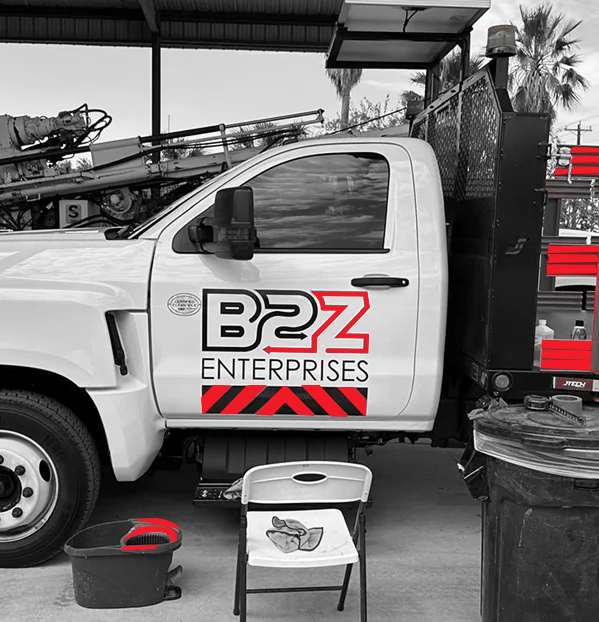
B2Z Enterprises started with a simple idea. Businesses deserve partners who actually deliver. Not the sales pitch and disappear act. Not the overpromise and underperform. Just real work, done right, every time. That’s the philosophy we bring to every flagging job in Austin. We’ve been at this long enough to know what works. Our team brings decades of experience across commercial and residential sectors. We’ve built relationships that last years, not months. And we’ve earned our reputation one project at a time.
What sets us apart is straightforward. We show up when we say we will. We communicate clearly. And we solve problems before they become problems. Our clients trust us because we’ve earned that trust through consistency, not promises. When you call us for flagging, you’re not getting a rookie. You’re getting a team that knows Austin’s infrastructure, its weather, and its rhythms. We know where the lines run. We know how to mark them so they stay visible. And we know how to get it done fast.
We’re rooted in this community. These are our neighbors, our local business owners, our friends. That matters. When you hire B2Z Enterprises, you’re not just hiring a contractor. You’re hiring people who care about the work because they care about the people who live with it. We handle the complexities so you don’t have to. Permits, scheduling, coordination, execution. We manage the details that make or break a project. And we deliver results that hold up over time.
We don’t chase trends. We chase standards. Quality materials. Skilled craftsmanship. Honest pricing. No shortcuts, no excuses. If you’re looking for a partner who treats your project like their own, you’ve found the right team. We’re here for the long haul. And we’re ready to help you with your flagging needs in Austin. Give us a call. We’ll take it from here.
🚩 When to Call for Help Immediately
- You see a flag that’s been knocked over or pulled out of the ground near a utility line.
- You notice a sagging power line or a leaning utility pole that wasn’t like that before.
- Your energy bill spiked for no reason, which could indicate a damaged line.
- A small crack in a utility marker has grown over the past week, meaning the line is exposed.