
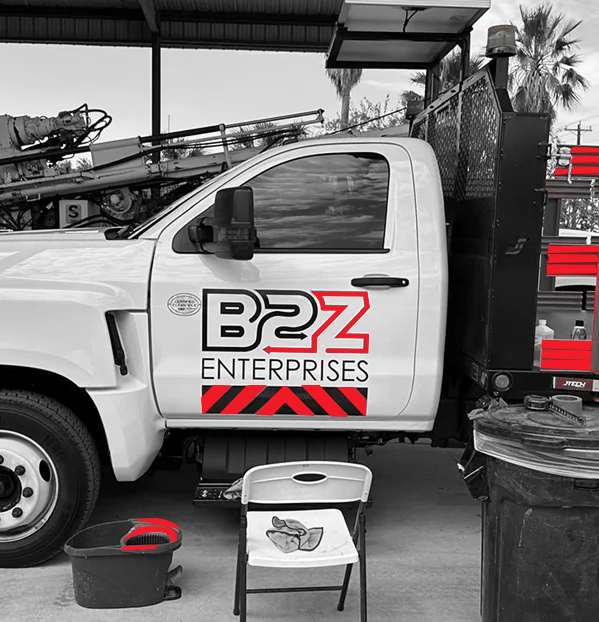
Flagging in San Benito, Texas
Expert Flagging for San Benito, Texas Flagging.
You have a project. It could be a new build off Business 77, a utility upgrade near the Resaca, or maintenance on a downtown San Benito property. The first thing you need isn’t the heavy equipment. It’s clear, safe, and compliant traffic control. That’s flagging. In our region, with its mix of agricultural traffic, local commuters, and seasonal visitors, getting this wrong isn’t an option. A poorly managed work zone on Sam Houston or Expressway 83 doesn’t just cause a traffic headache. It creates a liability. It risks worker safety and public safety. It can shut your job down before it really starts.
This is where B2Z Enterprises operates. We don’t view flagging as a box to check. We see it as the foundational layer of any successful project. Our approach is built on the specific rhythm of the Rio Grande Valley. We know the morning rush on the expressways. We understand the flow of tractor-trailers heading to the produce warehouses. We plan for the afternoon sun that can wear down even the most attentive crew. Our flagging is engineered for these conditions. We use certified flaggers, high-visibility equipment that meets Texas MUTCD standards, and site-specific plans that account for more than just cones and signs. We account for visibility, escape routes, and the local driver’s habits.
The goal is simple: create a safe, predictable environment so your core work can proceed without interruption or incident. This isn’t a side service for us. It’s a core discipline. For over twenty years, we’ve been the company other contractors call when they need a work zone that functions perfectly. They trust us to handle the perimeter so they can focus on the task at hand. For a property owner, this means your project stays on schedule. For a municipality, it means public trust is maintained. The value of professional flagging is measured in avoided problems. It’s one less thing to think about, so you can concentrate on the finish line.
When Should You Schedule Flagging?
Timing is everything. The right call at the right time saves money and prevents disasters. In San Benito, the “when” is dictated by two things: the project calendar and the warning signs you can’t ignore.
Let’s start with the calendar. The best time to schedule flagging is during the planning phase, not the day before breaking ground. If your project is set for the drier fall months—ideal for paving and earthwork—you should be securing your traffic control plan in the summer. This gives us time to assess the site on Sam Houston Boulevard or near the San Benito Municipal Complex, submit any necessary permits to the city, and stage the correct equipment. Waiting until the last minute creates bottlenecks. It forces rushed decisions, and in traffic control, rushed decisions create gaps in safety.
But sometimes, the need isn’t planned. It’s urgent. You notice a drainage project on your property has caused a lane to become unstable near the shoulder. You have a delivery of large equipment that will block access to your facility off Business 77 for several hours. A special event downtown requires a temporary road closure. These are “when” moments that demand immediate action. The cost of waiting here is direct. An unmarked hazard leads to an accident. An unannounced closure leads to citizen complaints and fines. The financial hit from a single incident dwarfs the investment in proper flagging.
The catastrophic cost comes from inaction. Think about a minor utility cut that isn’t properly flagged. A car hits the uneven surface, damages its axle, and the driver holds the property owner liable. The repair bill for that vehicle, plus the legal fees, will be many times what a basic flagging setup would have cost. Or consider a work zone without adequate advance warning on Expressway 83. A rear-end collision could injure workers. The project is shut down by OSHA, delays stretch for weeks, and your budget is blown. Calling for professional flagging at the first sign of a traffic conflict isn’t an expense. It’s the most cost-effective insurance you can buy for your project.
The Long-Term Value of Quality Flagging
The return on investment for professional flagging isn’t a vague concept. It’s concrete. First, it’s safety. A properly managed site means your crew goes home unharmed every day. It means the public is protected. This isn’t just ethical; it’s financial. Reduced risk means lower insurance premiums and no costly work stoppages from preventable accidents.
Second, it’s efficiency. Traffic that flows smoothly around your site means deliveries arrive on time. Workers aren’t stuck in a queue trying to get to the job. Subcontractors can move in and out without confusion. This keeps the project’s rhythm intact. Every minute saved on a multi-week project adds up to real money. Our flagging setups are designed for clarity. We use specific equipment like Type III barricades for high-speed areas and drum-mounted arrow boards for lane shifts. This clarity prevents driver hesitation, which is a primary cause of work zone slowdowns.
Finally, it’s reputation. In a community like San Benito, people talk. A project that causes constant traffic jams or near-misses becomes a local nuisance. Conversely, a project that manages its impact respectfully builds goodwill. For a business owner, this goodwill is currency. It makes the next permit application easier. It makes neighbors more cooperative. Quality flagging demonstrates professionalism and respect for the community. It shows you’ve planned the job correctly, down to the last cone and sign. That level of detail builds trust, and trust is the foundation of the next project award.
Why We Are the Preferred Choice in San Benito, Texas
The answer is in our track record. B2Z Enterprises has been operating here for over two decades. We didn’t arrive yesterday. We grew up with this area. Our first clients on projects near the San Benito Cultural Heritage Museum are still clients today. That longevity isn’t an accident. It’s the result of reliable execution. Our name is on the line every time we set up a work zone, and we protect it fiercely.
Our service is straightforward. We show up, assess the specific challenge—whether it’s a closure on St. Charles Street or a long-term project on Heywood Road—and give you a clear plan. We use proven methods, not the latest fad. Our team consists of seasoned professionals who understand that this work requires constant vigilance. They’re certified, they’re local, and they communicate in plain terms. There’s no mystery in our process.
Our commitment is local. We’re not a national franchise. Our office is on South Stewart Road. We hire from the community. We understand the unique pressures of Valley weather, from the blistering summer heat to the occasional heavy rain. We plan for it. We equip for it. This deep local knowledge lets us anticipate problems before they happen. We offer the steadiness of experience in a business where many chase shortcuts. For your flagging needs in San Benito, that stability is your advantage.
🚩 When to Call for Help Immediately
- Your project will impact a traffic lane on a major road like Expressway 83 or Business 77.
- You need to close a sidewalk or alley in downtown San Benito for deliveries or construction.
- You’re starting utility work that requires excavation near a roadway.
- Unexpected increases in utility bills or property damage indicate a need for emergency repairs that will affect traffic flow.
Find Us in San Benito, Texas
Expert FAQ
When is the latest I can call to schedule flagging?
The short answer: don’t wait. For a planned project, call us during the planning phase. For an urgent need, call the moment you identify it. We can often mobilize quickly for emergencies, but advance planning always yields a better, more cost-effective setup.
How do you handle flagging during San Benito’s rainy season?
We plan for it. We use equipment with non-slip bases and increased lighting for low visibility. Our flaggers are trained for wet-weather protocols. The plan always includes drainage considerations so work zones don’t create new hazards. We adapt the setup to the conditions on the ground.
How long does a typical flagging setup take?
It depends entirely on the scope. A simple sidewalk closure for a storefront on Sam Houston might take an hour. A full lane closure with signage and arrow boards for a road project could take half a day. After a site visit, we’ll give you a precise timeline so it integrates seamlessly with your project schedule.
📍 Serving the Greater San Benito, Texas Area and Downtown San Benito neighborhood
B2Z Enterprises
📞 956-585-3773