
Flagging in Austin, Texas
Don’t wait until you get a citation – here’s when to act.
If you’ve noticed orange flags sprouting up on your neighbor’s property or a utility crew marking your street, the clock is ticking. Flagging isn’t just a visual courtesy. It’s a legal requirement that protects your property, your project timeline, and your wallet. Ignoring it or putting it off until tomorrow is a gamble that rarely pays off.
Here’s the straight talk. In Austin, the city enforces strict rules about underground utility marking. If you’re planning any kind of excavation, digging, or ground disturbance, you need a professional flagging service. The city requires you to call 811 at least two business days before you start. But that’s just the bare minimum. A proper flagging service does more than spray paint lines. It identifies every buried line, from gas and electric to fiber optic and water. It keeps your crew safe. It keeps your project on schedule.
The problem is, most people think flagging is a formality. They see it as a bureaucratic hurdle, not a safety net. That mindset costs people thousands. A single hit on a gas line can shut down a block for hours. It triggers fines, emergency response fees, and repair costs that dwarf the price of a flagging service. Worse, it puts lives at risk. A severed fiber line can knock out internet for an entire neighborhood. A damaged water main floods a street. These aren’t hypotheticals. They happen every month in this city.
So why do people wait? Usually because they think the job is small. A fence post, a mailbox, a new sprinkler line. They figure they’ll just dig carefully. But you can’t see what’s underground. A gas line sits just a few inches below the surface. A buried cable can run right through your planned hole. And once you hit it, the clock stops. Your project stalls. You’re stuck dealing with utility companies, inspectors, and repair crews.
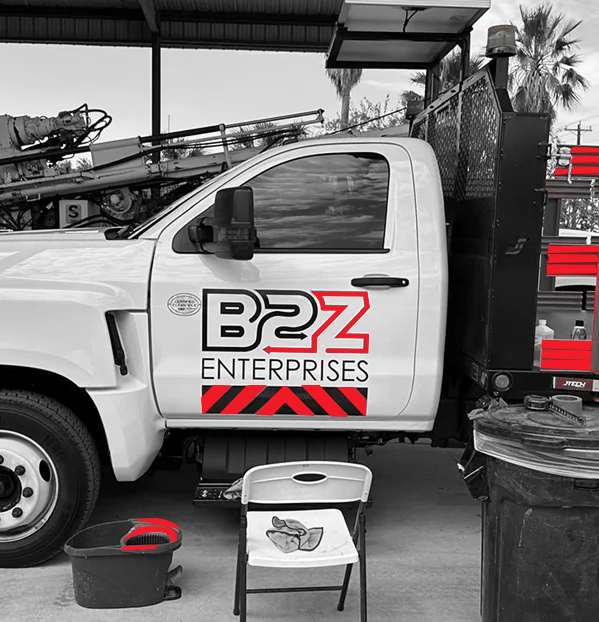
The fix is simple. Call B2Z Enterprises before you break ground. We handle the entire flagging process, from the initial request to the final markings. We know the Austin codes. We know the utility providers. We know the timelines that keep your project moving. You don’t have to figure it out on your own. You just need one less thing to worry about.
And here’s the part most people miss. Flagging isn’t a one-time thing. If your project runs over several days or weeks, markings fade. Rain washes them out. Construction crews drive over them. You need to re-flag. That’s another reason to work with a service that stays on top of it. We don’t just drop flags and leave. We check in. We make sure the markings are visible for every phase of your work.
Don’t wait until you see a problem. By then, it’s already too late. The cost of flagging is a fraction of the cost of a single utility strike. And the peace of mind? That’s priceless. Call us today. Let’s get your site marked and your project started the right way.
When Should You Schedule Flagging?
You need to call if you’re planning any digging, trenching, or ground disturbance. That includes fence posts, mailboxes, decks, patios, driveways, landscaping, sprinkler systems, and utility poles. It also includes larger projects like building foundations, retaining walls, and road work. In Austin, the rule is simple: if you break ground, you flag first.
But there are specific warning signs that mean you should schedule immediately. If you see exposed utility lines on your property, call us. If you’re buying a property and planning renovations, call us before you close. If you’ve had previous work done and you’re not sure where the lines are, call us. If you’re in a neighborhood with older infrastructure, call us. The older the lines, the less predictable they are.
Timing also depends on the season. Spring and fall are peak construction periods in Austin. That means utility companies are busier. Request windows fill up fast. If you wait until the last minute, you might not get a slot. And that delays your entire project. Schedule at least a week ahead during peak seasons. Two weeks is better.
Here’s a quick checklist of when to call immediately:
- You’re starting a new construction project within the next 10 days.
- You’ve noticed utility markers from a previous job have faded or been disturbed.
- You’re planning to install a fence, mailbox, or sprinkler system.
- You’re doing landscaping that involves digging more than 12 inches deep.
- You’re adding a patio, deck, or retaining wall.
- You’re replacing a driveway or sidewalk.
- You’re doing any work near a known utility easement.
- You’ve had a utility strike before and want to avoid a repeat.
The bottom line is this. If you’re not sure, call us. We’ll tell you if you need flagging. We’ll walk you through the process. We’ll give you a timeline. And we’ll get it done. No runaround. No surprises. Just straight talk and solid work.
Why Timing Matters for Austin, Texas Residents
Austin’s weather and soil conditions make timing critical for flagging. The city sits on a mix of clay, limestone, and sandy loam. That soil shifts with moisture. After a heavy rain, the ground swells. During a dry spell, it shrinks and cracks. These movements can shift buried utility lines, making them harder to locate. If you flag during a wet season, the paint and flags may not hold as well. You need to time your flagging for stable ground conditions.
Then there’s the heat. Austin summers are brutal. July and August push triple digits. That means utility crews work shorter hours or avoid outdoor work altogether during peak heat. If you need flagging in the summer, you need to schedule early. The same goes for winter. While Austin doesn’t get deep freezes often, when it does, frozen ground delays marking. A hard freeze can shut down operations for days.
Local events also impact timing. South by Southwest, ACL Fest, and F1 race weekends bring thousands of people into the city. Street closures and permit restrictions slow down utility work. If your project falls during these windows, you need to plan ahead. Flagging requests that normally take two days can stretch to a week.
The smart move is to schedule your flagging at least two weeks before your planned dig date. That gives you a buffer for weather, crew availability, and any unexpected issues. It also means you’re not scrambling at the last minute. You stay on schedule. Your project moves forward. And you avoid the headache of a delayed start.
The Long-Term Value of Quality Flagging
Think of flagging like an oil change. It’s a small, routine expense that prevents a catastrophic failure. You wouldn’t drive your car for 10,000 miles without changing the oil. So why would you dig without knowing what’s underground? The cost of a single utility strike can run into the thousands. A gas line repair alone can cost $2,000 to $10,000. A fiber optic line? That’s $5,000 to $15,000. And that’s just the repair. You also face fines, project delays, and potential liability if someone gets hurt.
Quality flagging gives you a clear picture of what’s under your feet. It lets you plan your dig with confidence. You know exactly where to avoid. You know where you can safely excavate. That saves time. It saves money. And it keeps your crew safe.
Then there’s the long-term benefit. Proper flagging protects your property’s infrastructure. If you damage a utility line, you’re not just paying for the repair. You’re dealing with the aftermath. A damaged gas line can cause a leak. A damaged water line can lead to foundation issues. A damaged electric line can cause power surges that fry appliances. These are problems that compound over time.
A quality flagging service also provides documentation. You get a record of where lines were marked. That’s useful for future projects. If you’re planning additions or renovations down the road, you have a baseline. You know where things are. You can plan more efficiently.
The ROI is simple. Spend a few hundred dollars on flagging now. Avoid thousands in repairs, fines, and delays later. It’s not a hard math problem. It’s common sense. And it’s the kind of thinking that separates a smooth project from a nightmare.
Why We Are the Preferred Choice in South Congress
B2Z Enterprises isn’t a faceless company. We’re a locally owned and operated firm that’s been serving Austin for years. We know the South Congress neighborhood. We know its history, its infrastructure, and its quirks. We’ve flagged sites on South Congress Avenue, near the iconic hotel, and in the surrounding residential streets. We’ve worked with property managers, developers, and homeowners. We’ve seen it all.
Our team brings decades of combined experience in construction, property maintenance, and project management. We know the codes. We know the utility providers. We know the shortcuts that aren’t worth taking. That knowledge comes from being on the ground, not from a desk. We’ve dug in the same dirt you’re planning to dig. We’ve seen what happens when flagging is done wrong. And we’ve fixed it.
What sets us apart is how we handle the details. We show up when we say we will. We communicate clearly. We finish the job on budget and on schedule. It sounds simple, but in this industry, consistent execution is rare. That consistency is why our clients keep coming back. We’ve built relationships that stretch back years. We’ve partnered with property managers, developers, and municipal clients who trust us with their most time-sensitive projects.
We treat every job like our reputation depends on it. Because it does. We hire local crews. We support local suppliers. We take pride in work that makes a visible difference in the neighborhoods where our families live and work. If you’re looking for a contractor who does what they say, we’re ready to talk.
🚩 When to Call for Help Immediately
- You see exposed utility lines on your property that weren’t there before.
- You’re starting a construction project within the next 10 days and haven’t flagged yet.
- Your previous flagging marks have faded or been disturbed by weather or traffic.
- You’ve had a utility strike in the past and need to avoid a repeat.