Flagging in Pharr, Texas
If you see a single orange cone, it’s already too late.
If you’re looking at a calendar and thinking about your project start date, you’re already behind. That’s the reality for flagging in Pharr. The lead time isn’t a suggestion. It’s the buffer between your project starting on time and it being dead in the water. We see it every season. A contractor gets the green light, calls for flagging last minute, and hits a wall. The city’s schedule is full. A permit needs a traffic control plan they don’t have. Suddenly, crews are standing around, equipment is idle, and the budget starts bleeding daily rates for nothing. This isn’t a maybe. It’s a guarantee if you treat flagging as a day-of task. The clock starts ticking the moment you pencil in a start date. The difference between a smooth rollout and a costly delay is one phone call made at the right time. Procrastination here doesn’t just cost a day. It reschedules subcontractors, pushes back inspections, and can violate terms with your client or the city. Think of it like the foundation of a house. You can’t start framing until it’s set. Professional flagging is the regulatory and safety foundation for any work in the public right-of-way. If it’s not secured first, nothing else happens. We get the call after the fact, when the pressure is maxed out. Our first question is always the same: when did you know this date was firm? The answer is usually weeks ago. That’s the window that closed. Acting now isn’t about being eager. It’s about locking in your place in line before the line stretches around the block. It secures the specific crew and equipment for your site on your day. It gives the city time to review and approve your plan without rushing. It turns a potential bottleneck into a checked box. The consequence of delay is simple: lost time, which is lost money. Your project’s profitability is often decided before the first shovel hits the ground, in the planning stages most people overlook. Flagging is one of those stages. Getting it right means your project flows. Getting it late means you pay for every minute of the stall.
When Should You Schedule Flagging?
You need to make the call under a few clear conditions. First, the moment your construction or utility project has a tentative start date. Even if it’s a month out, that’s when you lock it in. Second, immediately after you receive any permit that mentions work near a roadway, sidewalk, or public utility. That permit is your trigger. Third, if you are bidding on a job that requires lane closures or sidewalk detours. Your bid isn’t complete without a firm flagging cost and schedule from a provider. Fourth, at the first sign of any municipal infrastructure project announcement in your area. If the city is doing work on N. Cage Blvd or S. Fir Street, their crews will need traffic control, and availability for private work shrinks fast. Fifth, before the end of any fiscal or calendar quarter. Cities often push through permit approvals at these times, creating a rush. Sixth, if your project is adjacent to a school zone, like those near PSJA schools. These zones have stricter rules and require more lead time for approval. Seventh, when you schedule any other critical path subcontractor, like excavation or paving. Flagging is the gatekeeper for their access. The rule is simple: if another trade’s start depends on the street being open or closed, flagging gets scheduled first. Don’t wait for a sign. The sign is the permit on your desk. The sign is the date on the calendar. The sign is the arrival of your equipment on site. By then, you’re reacting, not planning. You need to call if you have drawings that show work within 10 feet of the curb. You need to call if your project involves a dumpster placement on the street. You need to call if you’re replacing a driveway apron. These aren’t big, dramatic projects. They’re everyday work that still requires a formal traffic control plan. The biggest mistake is assuming a small job means a simple process. The city’s requirements don’t scale down. Your planning should not either.
Why Timing Matters for Pharr, Texas Residents
In Pharr, your calendar is your biggest competitor. The Rio Grande Valley heat isn’t just uncomfortable; it dictates the construction rhythm. The prime working window is early in the day. If your flagging isn’t set up at dawn, you lose half a day’s productivity. Then there’s the rain. A sudden downpour can shut a site down, but if your traffic control isn’t already permitted and scheduled, you can’t just jump back in when it clears. You’re waiting in line again. Local events create hard deadlines. Think about the traffic during the Pharr Freedom Festival or around the Pharr International Bridge. The city’s resources and police details are allocated. Trying to get a lane closure approved during these times is a non-starter. You have to work around them, which means planning months ahead. The winter vegetable shipping season also changes road use patterns, with increased truck traffic on roads like US 83 and S. Cage. The city is less likely to approve disruptions during peak commercial periods. Furthermore, the school year schedule is a major factor. Projects near schools must be completed during summer break or face extreme restrictions. Every contractor in the area is targeting that same summer window. If you haven’t secured your flagging for a June project by April, you’re likely out of luck. It’s not just about weather. It’s about the rhythm of the city. Knowing that rhythm—when the public works department is reviewing plans, when community events lock down streets—is what separates a project that finishes on time from one that drags on. Your timing has to sync with Pharr’s calendar, not fight against it.
The Long-Term Value of Quality Flagging
Think of professional flagging like an oil change for your project. Skip it to save a few bucks and time now, and you guarantee a major, expensive failure later. The return on investment isn’t a vague concept. It’s measured in avoided fines, prevented accidents, and preserved reputations. A proper traffic control plan does more than meet code. It actively manages risk. It’s the difference between a smooth flow of traffic past your site and a fender-bender that brings police, insurance adjusters, and lawsuits. That single accident can cost more than a decade’s worth of flagging services. The value is also in predictability. When you hire a professional, you’re buying a known outcome. The signs will be MUTCD-compliant. The cones will be spaced correctly. The advance warning area will be long enough. This isn’t about checking a box. It’s about creating a safe, predictable environment for both your workers and the public. That predictability keeps your crew focused on their work, not on dodging cars. It keeps the city inspectors happy, which means fewer work stoppages for corrections. It shows your clients and the community that you operate with professionalism and care. This goodwill is a tangible asset. It leads to repeat business and referrals. Conversely, a bad setup—or no setup—is a public advertisement of incompetence. The long-term cost is lost trust. The upfront cost of doing it right is fixed. The cost of getting it wrong is open-ended. It can include OSHA fines, city penalties, increased insurance premiums, and legal fees. Investing in quality flagging is the cheapest insurance policy you can buy for a project. It’s not an expense. It’s a cost-control measure. It ensures the investment you’re making in labor, materials, and equipment is protected by a safe and compliant worksite from day one.
Why We Are the Preferred Choice in North Pharr
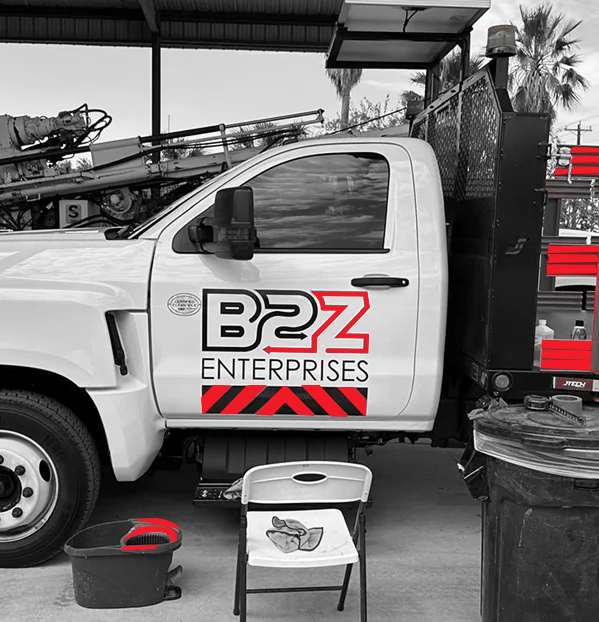
We’ve been here for a while. Our name, B2Z Enterprises, has been on the door at 900 S. Stewart Road, and our people have been in the community for years. We built this business on a straightforward idea: do the job right, treat people fairly, and stand behind your word. That’s it. It’s not a marketing slogan. It’s how we answer the phone and how we set up cones on N. Jackson Road. Our reputation is our most important tool, and we earn it every day through consistent performance. Clients come back because they know what to expect. They get reliability, expertise, and a focus on practical solutions. We don’t chase fads. We provide a service that keeps projects moving and people safe. Our team mixes seasoned pros who know every city inspector by name with newer crew members who bring fresh focus. We understand both the proven methods and how to navigate new city requirements. We’re proud of our role here. Our commitment runs deeper than project sites. We believe a strong business should support a strong community. You’ll see our support at local events and through partnerships with other Pharr businesses. When you work with us, you’re working with a neighbor who has a stake in how this city grows. At our core, we’re a group of people who take pride in the work. We solve problems, meet deadlines, and build relationships that last. We’re not the flashiest outfit, but we are one you can count on. That was the standard when we started, and it’s the standard we maintain today on every job, whether it’s a small utility repair on a residential street or a major commercial build on I-2. We know the specific requirements for different Pharr neighborhoods, and we get the job done so you can move on to the next task.
🚩 When to Call for Help Immediately
- You have an active permit and your equipment is scheduled to arrive in less than 48 hours.
- A city inspector has flagged your site for lacking proper traffic control and issued a stop-work order.
- You need to close a lane on a major artery like N. Cage or S. Stewart for an emergency repair.
- Your previously scheduled flagging provider has canceled at the last minute.
Find Us in Pharr, Texas
Expert FAQ
When should I schedule flagging? The moment your project has a start date. Lead time is everything. Calling even two weeks in advance is often too late for a guaranteed spot during peak seasons.
How do I know if my project needs it? If any work, material delivery, or equipment placement will occur on, over, or adjacent to a public street, sidewalk, or alley, you need a traffic control plan. Don’t guess. Assume you need it and call to confirm.
What happens if I wait? You risk your entire project schedule. The city won’t issue certain inspections without approved traffic control in place. Your crews will be paid to stand by. Your delays will cascade to every other subcontractor on the job.
📍 Serving the Greater Pharr, Texas Area and North Pharr neighborhood
B2Z Enterprises
📞 956-585-3773