Flagging in Austin, Texas
Don’t wait until the cracks turn into a full-blown problem.
If you’ve noticed a small crack in your driveway or a patch of concrete that’s starting to settle unevenly, the clock is ticking. That minor imperfection isn’t just an eyesore. It’s a direct path for water to seep underneath, erode the base, and turn a simple fix into a major replacement job. The same logic applies to your property lines, utility markers, and safety zones. A faded flag or a missing marker isn’t a small inconvenience. It’s a liability that grows every day you ignore it.
Flagging in Austin isn’t about aesthetics. It’s about preventing a chain reaction. Water gets in, the ground shifts, and suddenly you’re looking at a foundation issue or a broken pipe. The cost of that chain reaction is ten times what it would have cost to flag the problem early. Think of it like a check engine light. You can ignore it for a while, but eventually, you’re stranded on the side of the road. We’ve seen it happen too many times with homeowners and business owners who thought they had more time.
The real cost of delay isn’t just the repair bill. It’s the downtime. It’s the disruption to your daily routine. It’s the stress of dealing with an emergency instead of a scheduled service. When you call us at the first sign of trouble, we can assess the situation, flag the problem areas, and give you a plan. When you wait until water is pooling in your basement or a utility line is exposed, you’re in crisis mode. Crisis mode costs more, takes longer, and leaves you with fewer options.
We’re not here to scare you. We’re here to give you the straight talk about what happens when you put off flagging. The ground doesn’t stop moving. The weather doesn’t pause. And the small problem you see today will not get smaller tomorrow. Acting now means you control the timeline. You choose when the work happens. You avoid the rush. You save money. It’s that simple.
Here’s the thing most people miss. Flagging isn’t a one-and-done task. It’s a maintenance step that protects everything else. If you’re planning excavation, landscaping, or construction, flagging is the first move. If you’re buying or selling a property, it’s the due diligence step that can save you from a lawsuit. If you’ve had recent weather or construction nearby, it’s the checkup you didn’t know you needed. The trigger isn’t always obvious. But the consequences of missing it are.
So what’s the move? If you see something, say something. If you’re unsure, call us. We’ll come out, take a look, and tell you what’s urgent and what can wait. No pressure. No fluff. Just a straight answer from a team that’s been doing this long enough to know the difference. The worst time to call is after the problem has already done its damage. The best time is right now.
When Should You Schedule Flagging?
Timing is everything with flagging. You don’t schedule it on a whim. You schedule it because a specific trigger tells you it’s time. Here are the signs that mean you should pick up the phone today. You need to call if you see visible cracks in your concrete or asphalt. A hairline crack is one thing. A crack wider than a quarter inch is a red flag. Water will find its way in, and freeze-thaw cycles in Austin’s winter will make it worse fast. You need to call if your property lines are unclear. If you’re planning a fence, a shed, or any kind of excavation, you need to know exactly where your land ends and your neighbor’s begins. A mistake here can lead to legal headaches that cost thousands.
You should schedule flagging after any major weather event. Austin gets its share of heavy rain and occasional freezes. Both can shift the ground and expose utilities or damage markings. If you’ve had a storm, a flood, or a hard freeze, it’s time for a checkup. You should also schedule flagging before any construction project. Whether you’re adding a room, digging a pool, or running new lines, flagging is the first step. It tells you what’s below the surface and where you can dig safely. Skipping this step is gambling with your budget and your safety.
If you’re buying or selling a property, flagging is a non-negotiable part of the process. Buyers want to know there are no surprises underground. Sellers want to prove the property is clean. A flagged property moves faster and sells for more. If it’s been more than six months since your last flagging, it’s time to schedule again. Markings fade. Ground shifts. What was accurate in spring might be useless by fall. Don’t rely on old data. Get a fresh look.
Finally, call if you’re planning any kind of landscaping that involves digging. That new flower bed, that irrigation system, that retaining wall. All of them need to know what’s underground. A flagged line keeps your project on track and your budget intact. The bottom line is this. If you have a reason to dig, to build, to buy, or to sell, you have a reason to flag. Don’t wait for a problem to force your hand. Schedule it on your terms.
Why Timing Matters for Austin, Texas Residents
Austin’s weather is a beast. It’s not just the heat. It’s the sudden shifts. One week you’re dealing with a dry spell that cracks the ground. The next week you’re hit with a flash flood that washes everything away. Those swings are hard on property lines and utility markers. A flag that was clear in July might be buried under mud by September. Timing your flagging around these cycles is the difference between a smooth project and a disaster.
The winter freezes are a specific problem. When the ground freezes and thaws, it shifts. That shift can break pipes, move markers, and create gaps that water finds. If you haven’t flagged your lines before the first freeze, you’re rolling the dice. The spring rains are another trigger. Heavy rain erodes soil and exposes buried lines. If you’re planning a spring project, flagging in late winter gives you a clear picture before the ground gets messy.
Austin’s growth also plays a role. New construction is happening everywhere. That means new utility lines, new roads, and new property boundaries. If you’re in a neighborhood that’s seeing development, your old markings might not match the new reality. Flagging after nearby construction is a smart move. It keeps your property accurate and avoids conflicts with new infrastructure. In a city that’s changing this fast, staying current isn’t optional. It’s the only way to keep your project on track and your property safe.
The Long-Term Value of Quality Flagging
Think of flagging like changing the oil in your car. It’s a small, routine expense that prevents a catastrophic failure. Skip it, and you’re looking at an engine rebuild. The same principle applies to your property. A few hundred dollars on flagging now can save you thousands in repair costs, legal fees, and project delays down the road. It’s not an expense. It’s an investment in peace of mind.
The return on that investment is clear. A flagged property is a safe property. You know where to dig. You know where your utilities are. You know your boundaries. That knowledge prevents accidents, avoids disputes, and keeps your project on schedule. It also protects your property value. A buyer or inspector who sees clear, accurate markings knows the property has been maintained. That confidence translates into a faster sale and a higher price.
Quality flagging also saves time. When you have accurate markers, you don’t waste hours guessing or redoing work. You dig once, in the right place, and move on. That efficiency adds up, especially on larger projects. It’s the difference between a two-week job and a month-long headache. We’ve seen it happen. The teams that flag first finish first. The ones that skip it are the ones calling us in a panic.
The hidden cost of bad flagging is harder to measure but just as real. It’s the stress of not knowing. It’s the worry that you might hit a gas line or a water main. It’s the fear of a lawsuit from a neighbor over a boundary dispute. Quality flagging eliminates that uncertainty. It gives you a clear picture and a clear path forward. That’s worth more than any dollar amount.
Here’s the bottom line. Flagging is cheap compared to the alternatives. A repair bill for a broken pipe or a damaged foundation can run into the tens of thousands. A legal dispute over a property line can drag on for months and cost even more. A project delay can throw off your entire schedule and budget. Flagging prevents all of that. It’s the simplest, most cost-effective insurance you can buy for your property. Don’t skip it. Don’t delay it. Just do it.
Why We Are the Preferred Choice in Montopolis
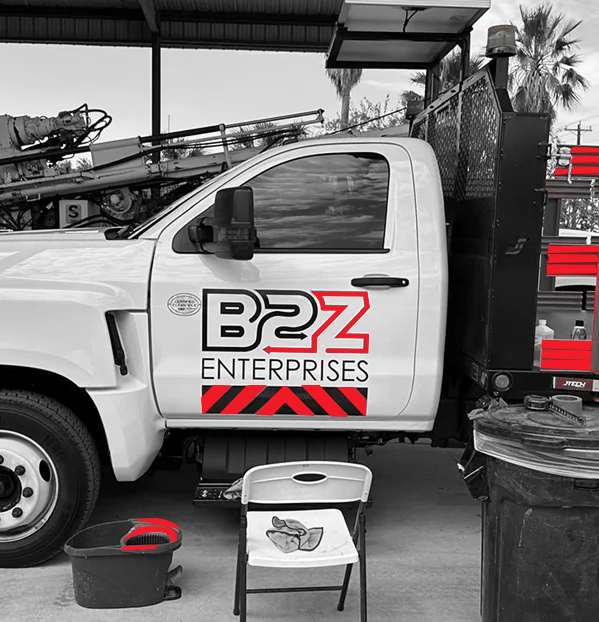
B2Z Enterprises isn’t a faceless company. We’re your neighbors. We’ve been serving the Montopolis neighborhood and the greater Austin area for years. We didn’t set out to be the biggest operation in town. We set out to be the one people could count on. That distinction has shaped everything we do. We show up when we say we will. We solve problems before they become bigger problems. And we treat every client relationship like a long-term partnership.
Our team brings together decades of combined experience. We know the local regulations, the suppliers, and the people who make this community work. When you work with us, you get a team that understands the landscape and has a stake in seeing it improve. We’ve built our reputation one job at a time, through straightforward communication, honest pricing, and follow-through that speaks for itself.
What sets us apart isn’t complicated. We don’t use fancy marketing terms or overpromise. We give you a straight answer and a fair price. We’ve earned the trust of repeat customers and referrals that have sustained our growth over the years. Our local roots run deep. We know the rhythm of the neighborhood. We know when the ground shifts and when the weather turns. That local knowledge means we can spot problems before they become emergencies.
Whether we’re handling a small residential flagging job or a major commercial project, the same standards apply. Quality isn’t negotiable. Deadlines aren’t suggestions. And your satisfaction isn’t an afterthought. We’re proud of what we’ve built. But we’re prouder still of the relationships that came with it. If you’re looking for a partner who treats your time and investment with the respect they deserve, you’ve found one.
🚩 When to Call for Help Immediately
- You see water pooling where it shouldn’t after a rain.
- Your property lines are unclear and you’re planning to dig.
- You’ve had a freeze, a flood, or heavy construction nearby.
- It’s been more than six months since your last flagging.