
Flagging in Austin, Texas
If you see a crack, the clock is already ticking.
If you’ve noticed a crack spreading across your driveway, a dip in your parking lot, or a section of concrete that’s started to settle unevenly, the clock is ticking. That small imperfection isn’t just cosmetic. It’s a signal that water is finding its way underneath, that the base is shifting, and that the problem is getting worse with every rainstorm and every freeze-thaw cycle. The cost of flagging that section today is a fraction of what you’ll pay for a full replacement next year.
Flagging is not a luxury service. It’s a maintenance necessity. Think of it like changing the oil in your truck. You can skip it for a while, and the engine will still run. But one day, it seizes up, and you’re looking at a bill that could have been avoided with a simple, routine step. Flagging works the same way. It’s the targeted repair of damaged concrete or asphalt sections. We cut out the bad spots, re-compact the base, and pour fresh material that bonds with the surrounding surface. The result is a seamless, level, and safe area that looks good and functions properly.
Most people wait until the damage is obvious. A trip hazard. A puddle that won’t drain. A crack wide enough to catch a heel. By then, the underlying problem has been working for months. Water has eroded the subgrade. Freezing temperatures have expanded the crack. The edges have crumbled. What could have been a single panel replacement now requires a larger section to be removed and replaced. The cost doubles, sometimes triples. The timeline stretches. And you’re left with a bigger disruption to your property or business.
The worst time to think about flagging is after the damage is done. The best time is the moment you see the first sign. A hairline crack. A slight depression. A corner that’s chipped. That’s your cue to act. We’ve seen it a hundred times. A property owner notices a small crack in the spring, thinks it’s no big deal, and by the following winter, that crack has turned into a sinkhole. The repair goes from a few hundred dollars to a few thousand. Don’t let that be you.
Acting now prevents bigger problems. It also prevents secondary damage. Water that seeps through a cracked slab doesn’t just ruin the concrete. It gets into the base, weakens the foundation, and can even affect adjacent structures. A cracked driveway can lead to a cracked garage floor. A settled sidewalk can cause water to run toward your foundation. The chain reaction is real, and it’s expensive. Flagging stops that chain reaction cold.
There’s also the safety angle. A tripped customer, a fallen employee, a lawsuit. That’s the worst possible outcome of neglected concrete. The liability is real. A single trip-and-fall claim can cost more than a hundred flagging repairs. It’s not worth the risk. Flagging is inexpensive insurance against that kind of headache.
The bottom line is simple. You have a problem right now, even if you don’t see it as one yet. The crack you’re ignoring is the one that’s going to cost you. Don’t wait until it’s too late. Call us today. We’ll assess the damage, give you a straight answer, and get it fixed before the real trouble starts.
When Should You Schedule Flagging?
You need to schedule flagging the moment you see any of these warning signs. Don’t wait for a second opinion. Don’t wait for the weekend. The problem is already working.
First, look for cracks wider than a quarter-inch. Hairline cracks are often cosmetic, but anything wider means the slab is moving. That movement will only get worse. Second, check for uneven surfaces. If a section of concrete has settled more than half an inch, it’s a trip hazard and a sign of base failure. Third, listen for hollow sounds when you walk on it. A hollow sound means the concrete has separated from the base. It’s only a matter of time before it breaks.
Seasonal triggers matter too. Schedule flagging in the spring after the last freeze. Winter’s freeze-thaw cycles do the most damage, and spring is the time to catch it before summer heat expands the cracks. Also schedule after any major storm or flood. Water saturation can destabilize the base, and the damage might not show for weeks. If you’ve had a heavy rain and notice new depressions or standing water where it didn’t used to pool, call us immediately.
Business owners should schedule flagging during quarterly property inspections. Make it a routine. Walk the parking lot, the walkways, the loading dock. If you see damage, flag it. If you don’t, it will be there next quarter, only worse. Property managers should schedule after every tenant turnover. New tenants notice every flaw. A cracked sidewalk or uneven parking spot can be a dealbreaker.
Homeowners should schedule flagging before any major event. A family reunion, a wedding, a backyard party. You don’t want guests tripping on a cracked patio. You also don’t want to be embarrassed by a driveway that looks like it survived a bombing. Flagging is a quick fix that makes your property look well-maintained.
The most important trigger is time. If your concrete is more than ten years old, it’s due for an inspection. Even if you don’t see damage, the base may be degrading. A professional assessment can catch problems before they become visible. That’s the cheapest repair of all.
Don’t wait for the damage to be obvious. Don’t wait for someone to get hurt. Don’t wait for the bill to triple. The moment you see a sign, schedule flagging. It’s that simple.
Why Timing Matters for Austin, Texas Residents
Austin’s climate is brutal on concrete. We get hot, dry summers that bake the ground and cause shrinkage cracks. Then we get sudden, intense rainstorms that flood the cracks and wash out the base. Then winter comes with freezing nights that expand those cracks into gaping wounds. The freeze-thaw cycle is the single biggest threat to concrete in Austin, and it happens every year.
The worst time of year is late winter. That’s when the cumulative damage from the previous year’s weather is most visible. If you wait until spring, you’re already behind. The cracks have been working all winter. The base has been compromised. The repair will be bigger and more expensive.
Austin also has a unique soil problem. The clay soil here expands when wet and contracts when dry. That constant movement puts stress on concrete slabs. Over time, it causes them to settle, crack, and heave. Flagging is the only way to fix those isolated sections without tearing up the entire slab. The key is catching it early, before the movement spreads to adjacent panels.
Local events matter too. If you’re hosting a South by Southwest event, a wedding at a local venue, or a family reunion at your home, you want your property looking its best. Flagging is a quick, clean repair that can be done in a day. It’s the difference between a property that looks neglected and one that looks cared for.
The message is simple. In Austin, timing is everything. Don’t wait for the freeze. Don’t wait for the rain. Don’t wait for the soil to shift again. Call us now.
The Long-Term Value of Quality Flagging
Flagging is one of those repairs that pays for itself ten times over. It’s like getting a cavity filled at the dentist. It costs a little now, but it saves you from a root canal later. The same principle applies to concrete.
Think about the cost of a full replacement. If you let a damaged section of concrete go too long, the problem spreads. The crack gets wider. The base erodes. Adjacent panels start to settle. Eventually, you’re looking at tearing out the entire slab and pouring new concrete. That’s a major project. It’s expensive, disruptive, and time-consuming. Flagging, on the other hand, is a targeted repair. We remove only the damaged section, fix the base, and pour new concrete that matches the existing surface. The result is a seamless repair that looks good and lasts for years.
The return on investment is clear. A flagging repair might cost a few hundred dollars. A full replacement can cost thousands. And that’s just the direct cost. There’s also the indirect cost of disruption. A full replacement might shut down your parking lot for a week. That’s lost revenue for a business. It’s inconvenience for a homeowner. Flagging is usually done in a day, with minimal disruption.
There’s also the property value angle. A well-maintained driveway, walkway, or parking lot adds to curb appeal. It signals that the property is cared for. A cracked, uneven surface does the opposite. It makes the property look neglected, and that can affect its market value. Flagging is a cheap way to keep your property looking its best.
And don’t forget the safety factor. A trip-and-fall lawsuit can cost tens of thousands of dollars. A single flagging repair costs a fraction of that. It’s not just a good investment. It’s a necessary one.
The bottom line is this. Flagging is the smartest repair you can make. It’s small, targeted, and cost-effective. It prevents bigger problems. It protects your property value. It keeps people safe. Don’t wait until you need a full replacement. Call us now and get it done right.
Why We Are the Preferred Choice in Circle C Ranch
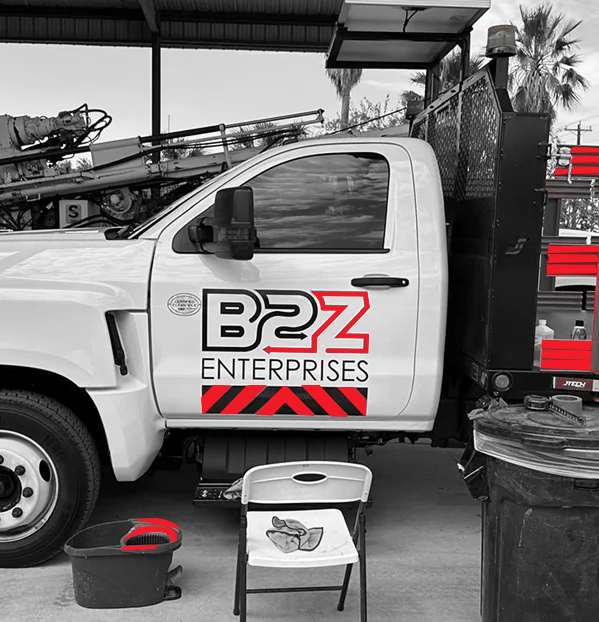
We founded B2Z Enterprises with a straightforward goal: provide services that work the first time. That principle still drives everything we do. We don’t believe in re-dos. We believe in getting it right the first time, every time.
Our team brings together decades of hands-on experience across multiple industries. We’ve built our reputation one project at a time, through consistent delivery and honest communication. Clients come to us because they need results, not explanations. They need a fix that lasts, not a temporary patch that fails in six months.
We serve businesses and homeowners throughout the Austin area, including Circle C Ranch. Our approach combines technical know-how with practical business sense. When we take on a project, we see it through to completion. No shortcuts. No surprises. We use the right materials and the right techniques for Austin’s unique climate and soil conditions.
What sets us apart is our commitment to the communities where we operate. We hire locally. We partner with regional suppliers. We understand the specific challenges that properties in Circle C Ranch face because we face them too. We know the soil here. We know the weather patterns. We know what works and what doesn’t.
Our track record speaks for itself. Repeat clients. Long-term relationships. Referrals that come without asking. We don’t chase awards or marketing buzz. We focus on doing the work right. When you call B2Z Enterprises, you’re getting a team that cares about the outcome, not just the paycheck.
We stand on the foundation of trust we’ve earned over years of operation. Every contract we sign is a promise. And we keep our promises. If you need flagging in Circle C Ranch, call us. We’ll give you a straight answer and a quality repair.
🚩 When to Call for Help Immediately
- You see water pooling where it shouldn’t, indicating the slab has settled and the drainage is compromised.
- Your concrete makes a hollow sound when you walk on it, meaning the base has separated from the slab.
- Your energy bill spiked for no reason, which could mean a cracked foundation is letting air escape.
- A small crack has grown noticeably wider over the past week, signaling active base movement.
Find Us in Austin, Texas
Expert FAQ
When should I schedule flagging?
Schedule flag