
Flagging in Austin, Texas
One missed sign can cost you thousands. Here’s when to act.
If you’ve noticed a small crack in your pavement or a section of your property line that looks a little off, the clock is ticking. That crack will not fix itself. That line will not straighten out on its own. What starts as a minor cosmetic issue today turns into a major structural problem tomorrow. The difference between a quick fix and a full replacement is measured in days, not months.
Flagging is the process of marking underground utilities, property boundaries, or hazard zones before any digging or construction work begins. It is a simple step that prevents costly mistakes. A single unmarked gas line can cause an explosion. A misidentified water main can flood a street. An unmarked fiber optic cable can knock out internet for an entire neighborhood. These are not hypothetical scenarios. They happen every year in Austin because someone decided to skip the flagging step.
The problem is that most people do not think about flagging until it is too late. They see a small dip in the asphalt and assume it will hold. They notice a patch of dead grass over a sewer line and figure it will green up next season. They get a quote for a landscaping project and decide to save a few hundred dollars by not calling for utility marking. Then the backhoe hits a line. Then the repair bill arrives. Then the timeline stretches from two days to two weeks.
Acting now prevents all of that. Flagging is not a luxury add-on. It is the first step in any project that involves breaking ground. Whether you are installing a fence, planting a tree, pouring a foundation, or replacing a driveway, you need to know what is underground. The city of Austin requires it. Common sense demands it. And the cost of ignoring it is always higher than the cost of doing it right the first time.
Think of flagging like checking the oil in your car. You can drive for a long time without doing it. The engine will keep running. But one day, the light comes on, and by then, the damage is done. The same logic applies to your property. The underground infrastructure is out of sight and out of mind until something goes wrong. By the time you see a wet spot in the yard or smell gas near the sidewalk, the problem has already escalated.
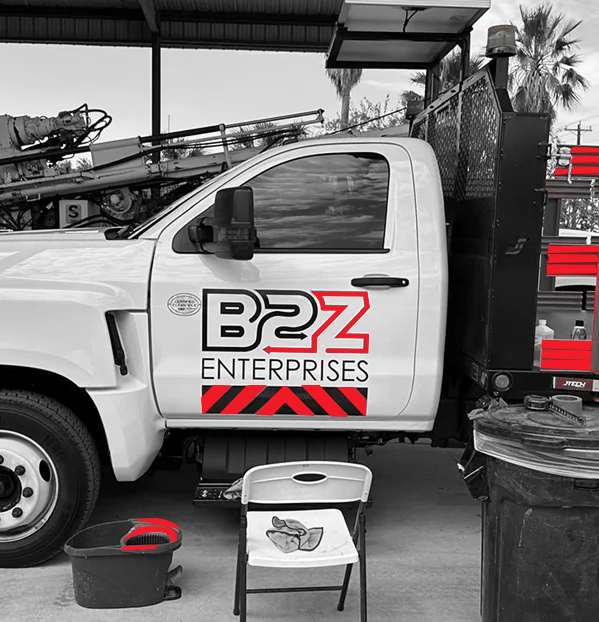
Flagging gives you a map of what is hidden. It turns guesswork into certainty. It transforms a risky dig into a controlled operation. And it protects you from liability. If a contractor hits a utility line on your property because you did not have it flagged, you are on the hook for the repair. That can mean thousands of dollars in fines, service restoration costs, and legal fees. One phone call to B2Z Enterprises eliminates that risk entirely.
The window of opportunity is narrow. The longer you wait, the more the ground shifts, the more vegetation grows, and the harder it becomes to pinpoint exact locations. Seasonal weather in Austin complicates things further. Heavy rains can wash away surface markings. Drought can crack the soil and shift buried lines. The best time to flag is before the ground changes. That means now.
Do not wait until you hear the scraping sound of metal against concrete. Do not wait until your neighbor complains about a strange smell. Do not wait until your contractor tells you they hit something they should not have. The moment you decide to dig, flagging should already be done. That is the difference between a smooth project and a disaster.
When Should You Schedule Flagging?
You need to call for flagging immediately if you are planning any excavation work. That includes fence posts, tree planting, driveway installation, foundation repairs, pool installation, or utility upgrades. But the triggers go beyond planned projects. You should schedule flagging if you notice unexplained wet spots in your yard that do not dry out after a few days. That is a sign of a leaking water line. If you smell gas near your property line, do not wait. Call for flagging so the utility company can pinpoint the leak before it becomes a hazard.
Timing also depends on the season. In Austin, spring and fall are the busiest times for construction and landscaping. That means utility crews are stretched thin. Scheduling flagging early in the season ensures you get a slot before the rush. If you wait until April to call for a May project, you might find yourself on a two-week waiting list. That delay can push your entire timeline back.
Another trigger is property transfer. If you are buying or selling a home, flagging can reveal hidden issues. A flagged survey might show an easement you did not know about or a utility line that runs through your backyard. Knowing that before closing can save you from buying a problem. Sellers can address issues ahead of time, making the transaction smoother.
You should also schedule flagging after a major weather event. Heavy rain can erode soil and expose buried lines. Freezing temperatures can crack pipes and shift markers. If Austin experiences a hard freeze, check your property for signs of movement. If you see new cracks or uneven ground, flagging can confirm whether a utility line is compromised.
The rule is simple: if you are going to break ground, flag first. If you see something unusual, flag first. If you are unsure, flag first. The cost of a flagging service is a fraction of the cost of a single repair. It is the cheapest insurance you can buy for your property.
Why Timing Matters for Austin, Texas Residents
Austin’s climate is unique. We get hot, dry summers followed by sudden, heavy downpours. That cycle of expansion and contraction puts stress on underground utilities. Clay soil, common in the Austin area, expands when wet and shrinks when dry. That movement can shift buried lines and crack pipes. Flagging in the spring, before the summer heat bakes the ground, gives you the most accurate reading. Once the soil dries and hardens, markers can shift, and lines can be harder to trace.
Winter is another critical window. Austin does not get deep freezes often, but when it does, the ground can contract rapidly. Pipes that were fine in November can crack in January. If you are planning any winter work, flagging in the fall ensures you know exactly where everything is before the ground changes. Local events like ACL or SXSW also affect timing. Construction permits can be delayed during festival season. Getting your flagging done early means you are ready to go when the permit is approved.
The takeaway is straightforward. In Austin, timing is everything. Flag during the dry season for accuracy. Flag before the rainy season for safety. Flag before festival season for scheduling. Do not let the Texas weather dictate your timeline. Take control by calling B2Z Enterprises now.
The Long-Term Value of Quality Flagging
Quality flagging is like changing the oil in your truck. You can skip it for a while and nothing bad happens. But one day, the engine seizes, and the repair bill is ten times what the oil change would have cost. Flagging works the same way. A few hundred dollars spent today prevents a few thousand dollars in repairs tomorrow. That is not a theory. That is math.
The return on investment is immediate. When you have a flagged property, your contractor can work faster. They do not have to guess where the lines are. They do not have to stop and call for a locate in the middle of the job. That saves labor hours. It also reduces the risk of damage to your property. A single hit on a gas line can cost upwards of $5,000 in emergency repairs and fines. A water main break can run $10,000 or more. Flagging costs a fraction of that.
There is also the peace of mind factor. When you know your property is fully marked, you can sleep better. You are not waiting for a phone call from a contractor saying they hit something. You are not wondering if that wet spot in the yard is going to turn into a sinkhole. You have done your due diligence. That is worth something.
Quality flagging also protects your property value. A home with a history of utility damage is harder to sell. Buyers will ask questions. Inspectors will flag issues. A clean record, backed by professional flagging documentation, adds value. It shows you took care of the property. It shows you were responsible.
Think of it as an investment in your property’s health. Just like you would not skip a dentist appointment for a cavity, do not skip flagging for a dig. The small investment now prevents the big expense later. It is the smart move every time.
Why We Are the Preferred Choice in North Shoal Creek
B2Z Enterprises has been serving the Austin area since 2004. That is over two decades of experience. We started with a single truck and a clear mission: show up, communicate, and deliver. That mission has not changed. We are a family-owned business, which means every decision we make is about the long term. We are not chasing quarterly numbers. We are building relationships that last.
Our team brings decades of combined experience in logistics, distribution, and supply chain management. We understand that when you trust us with your property, your reputation is on the line too. That is not something we take lightly. We invest in our people. Our drivers know every back road in North Shoal Creek. Our dispatch team tracks every job in real time. We do not cut corners.
What sets us apart is simple. We show up when we say we will. We communicate clearly about what we find. We deliver on what we promise. In an industry where missed deadlines are common, we treat every client engagement as a partnership. That is why we have kept clients for fifteen and twenty years. That is why we are the preferred choice in North Shoal Creek.
We work with small family businesses and large corporate clients. Each one gets the same standard of service. That is not a slogan. It is how we operate. If you are looking for a partner who treats your property like their own, you have found one.
🚩 When to Call for Help Immediately
- You see water pooling in your yard that does not dry out after 24 hours.
- You smell gas near your property line or near a utility box.
- Your energy bill spiked by more than 20% with no change in usage.
- A small crack in your driveway or sidewalk has grown visibly over the past week.