
Flagging in Austin, Texas
Don’t wait for the crack to grow – schedule before the freeze hits.
If you’ve noticed a small crack in your driveway or a dip in the sidewalk that wasn’t there last month, the clock is ticking. That hairline fracture is not a cosmetic issue. It’s a structural invitation. Water seeps in, freeze-thaw cycles in Austin’s unpredictable winters widen it, and what started as a $200 fix becomes a $2,000 slab replacement. Flagging in Austin is not about aesthetics. It’s about stopping damage before it compounds. Every cycle of wet and dry weather in Texas acts like a jackhammer on concrete. You ignore it for one season, and the problem doubles. The cost of delay is not linear – it’s exponential. A small patch job today keeps your foundation stable. A full replacement next year means tearing out landscaping, repouring concrete, and losing use of your driveway for a week. That’s not just money. That’s time and inconvenience you didn’t plan for. The most expensive concrete repair is the one you put off until it becomes an emergency. Emergency repairs always cost more. They require rush materials, overtime labor, and often temporary fixes that fail within months. You pay a premium for speed when you could have paid a fair price for prevention. Think of it like an oil change. You skip one, the engine runs a little hotter. You skip two, and you’re looking at a rebuild. Flagging is the same. It’s the low-cost, high-impact maintenance that keeps your concrete from failing. It’s the difference between a 20-year driveway and a 5-year headache. The warning signs are never subtle once you know what to look for. Standing water after a rain that stays for hours. Concrete that sounds hollow when you walk on it. Edges that crumble when you brush them with a broom. These are not normal wear and tear. They are the first symptoms of a system breaking down. And in Austin, where the soil expands and contracts with every shift in moisture, the damage accelerates faster than most people realize. The ground under your concrete moves constantly. When it expands, it pushes up. When it contracts, it leaves voids underneath. That’s where cracking starts. Flagging fills those voids, stabilizes the base, and stops the movement. It’s not a luxury service. It’s structural insurance. The people who call us after the damage is done always say the same thing: “I wish I’d called sooner.” We hear it every week. Don’t be that person. The time to act is when you first notice something off. Not when the crack is wide enough to lose a quarter in. Not when the slab is tilting toward your foundation. Right now. Because the next rain is coming, and it’s going to make everything worse. You don’t need a full assessment to know if you’re at risk. If you see any of the signs we’ve talked about, you’re already past the ideal window. But you’re not past the point of no return. Call us today. We’ll come out, take a look, and tell you exactly what needs to happen. No pressure. No upsell. Just a straight answer and a fix that will hold.
When Should You Schedule Flagging?
You need to schedule flagging if you see any of these triggers. First, visible cracking that’s wider than a credit card edge. That’s not surface wear. That’s a structural gap. Second, concrete that feels uneven underfoot. A trip hazard isn’t just a liability – it’s a sign that the slab is shifting. Third, water pooling in areas that used to drain. That means the grade has changed, and water is now sitting where it shouldn’t. Fourth, you hear a hollow sound when you walk on the concrete. That means there’s a void underneath, and the slab is not fully supported. Fifth, it’s been more than three years since your last flagging inspection. Concrete in Austin’s climate needs to be checked every two to three years minimum. The freeze-thaw cycle here is not as intense as the north, but it’s enough to cause damage. We get a handful of hard freezes each winter, and those are the ones that do the damage. Water gets into a micro-crack, freezes, expands, and the crack gets bigger. That cycle repeats a few times, and you have a problem. The best time to schedule is in the fall, before the first freeze. That gives us a window to seal and stabilize before winter sets in. But if you’ve already missed that window, don’t wait another year. Schedule as soon as you can. Spring is also a good time, after the ground has settled from winter. The second best time is right now. The worst time is after you see a slab visibly sinking or tilting. That’s when the repair cost triples. We also recommend scheduling after any major weather event. A drought that lasts months, followed by heavy rain, is a recipe for soil movement. If Austin has had a dry summer and then a wet fall, the ground is going to shift. That’s when flagging is most valuable. It catches the movement before it becomes a crack. If you’re a property manager or a homeowner with a concrete driveway, patio, or walkway, put a reminder in your calendar for every two years. That’s the sweet spot for preventive maintenance. If you wait five years, you’re gambling. Some properties get lucky. Most don’t. The ones that don’t pay for it. The signs are always there. You just have to know what to look for. If you’re not sure, call us. We’ll tell you over the phone if it sounds urgent. We don’t charge for a phone consult. That’s just part of being a straight shooter.
Why Timing Matters for Austin, Texas Residents
Austin’s climate is a concrete killer. Not because it’s extreme, but because it’s erratic. We get stretches of 100-degree days that bake the ground and pull moisture out. Then we get torrential rain that saturates everything. That expansion and contraction cycle is brutal on concrete. The soil in Austin is mostly clay, which expands when wet and shrinks when dry. That movement is what causes concrete to crack and settle. The timing of your flagging matters because it needs to happen when the ground is stable. That’s usually in the spring or fall, when moisture levels are moderate. Scheduling during a drought or after heavy rain can lead to a less effective result because the ground is still moving. We also have community events that affect timing. South by Southwest brings thousands of people into the city, and street closures make it hard to get equipment in. ACL weekends are the same. If you’re in the Zilker neighborhood, you know exactly what we mean. Scheduling around these events saves you headaches. The best window is late September through early November, before the first freeze and after the summer heat breaks. That gives us the most stable conditions and the best results. If you miss that window, January and February are risky because of freezes. March is usually good, but it’s also when everyone else is scheduling. Plan ahead. Don’t wait until the last minute.
The Long-Term Value of Quality Flagging
Flagging is the cheapest insurance you can buy for your concrete. A single flagging visit costs a fraction of what a slab replacement runs. And it buys you years of stability. Think of it like a dental cleaning. You go every six months to prevent cavities. If you skip it, you end up with a root canal. Flagging is the same. A small investment now prevents a massive expense later. The ROI is simple: you spend a few hundred dollars today, and you avoid thousands in repairs down the road. That’s a no-brainer. But there’s more to it than just money. There’s safety. A cracked, uneven slab is a trip hazard. If someone falls on your property, you’re looking at medical bills and liability claims. Flagging eliminates that risk. There’s also curb appeal. A smooth, level driveway or walkway makes your property look well-maintained. If you’re selling your home, that matters. Buyers notice cracks. They ask questions. They negotiate down. A flagging service is a small cost that protects your property’s value. And there’s peace of mind. You don’t have to worry about the next freeze or the next rain. You know your concrete is solid. That’s worth something. The best part is that flagging is not a science project. It’s a straightforward process. We inject a stabilizing material under the slab to fill voids and lift settled areas. It’s fast, it’s clean, and it lasts. Most jobs are done in a day. You’re back to normal before you know it. The value is clear. Don’t wait until it’s too late.
Why We Are the Preferred Choice in Zilker
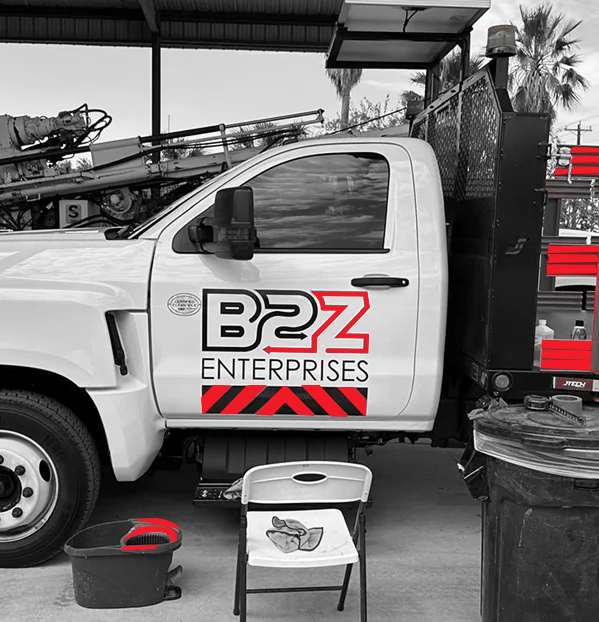
B2Z Enterprises has been serving the Austin community for over a decade. We started with a handshake and a promise: do the work right the first time. That’s still how we operate. We don’t cut corners. We don’t overpromise. We show up, we deliver, and we stand behind our work. Our team brings decades of combined experience across multiple disciplines. We hire people who take pride in their work. People who treat every project like it matters. Because it does. We work with property owners, contractors, and local businesses who need a partner they can count on. Our reputation in the community comes from completing projects on time, communicating clearly, and staying reachable long after the job is done. We are locally owned and operated. Our name is on everything we do. That matters to us. And it should matter to you. In the Zilker neighborhood, we’ve built trust by being consistent. We know the local soil conditions. We know the weather patterns. We know the common problems because we’ve fixed them hundreds of times. When you call us, you’re not getting a sales pitch. You’re getting a straight answer from someone who’s done this before. We don’t disappear when things get complicated. We stay until the job is done right. That’s why our customers come back. That’s why they refer us to their neighbors. We are the preferred choice because we earn it, every time.
🚩 When to Call for Help Immediately
- You see a slab that has visibly sunk more than half an inch below the adjacent concrete.
- Water pools on your driveway or walkway for more than 24 hours after a rain.
- You hear a hollow sound when you walk across the concrete – that means there’s a void underneath.
- A small crack has grown noticeably wider over the course of a single week.
Find Us in Austin, Texas
Expert FAQ
When should I schedule flagging for my driveway?
The ideal time is in the fall, before the first freeze. If you miss that, schedule as soon as you notice any cracking or settling. Spring is the second-best window. Don’t wait more than three years between inspections.
How do I know if my concrete problem is urgent?
If you see a slab that has sunk more than half an inch, water pooling for over 24 hours, or a crack that’s growing visibly day by day, it’s urgent. Call us immediately. A delay of a few weeks can turn a minor fix into a major replacement.
What happens if I wait to fix a settling slab?
The damage accelerates. Water gets into the crack, freezes, and expands. The void under the slab grows. The slab can tilt, crack further, or become a trip hazard. The repair cost can triple or quadruple. Waiting always costs more.
📍 Serving the Greater Austin, Texas Area and Zilker neighborhood
B2Z Enterprises
📞 956-585-3773