
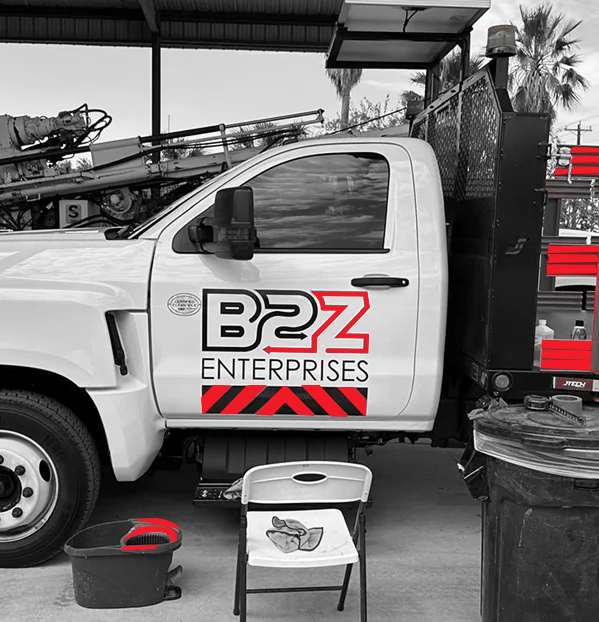
Flagging in Austin, Texas
If you see the warning signs, the clock is already ticking.
If you’ve noticed a small crack in your foundation, a door that sticks just a little more than it used to, or water pooling near your driveway after a light rain, the clock is ticking. These aren’t minor annoyances you can push to next season. They are the first signs that something underneath your property has shifted. And in Austin, Texas, where the soil expands and contracts like a living thing, that shift will not fix itself. It will get worse, faster than you expect.
Flagging is not a cosmetic fix. It is a structural intervention. It addresses the ground beneath your building before that ground causes damage that costs five times as much to repair. The problem is that most people wait until they see the big crack, the sagging floor, or the window that won’t open. By then, the damage has already spread. You’re not paying for prevention anymore. You’re paying for reconstruction.
Think of it like a slow leak in a tire. You can keep driving on it for a while. The car still moves. But every mile you drive, the tire wears unevenly. The sidewall weakens. Eventually, you’re stranded on the side of the road at the worst possible time. Flagging works the same way. The ground shifts. The foundation moves. The structure above follows. And the longer you wait to address the root cause, the more expensive the fix becomes.
Acting now does not mean panic. It means paying attention to what your property is telling you. That crack in the drywall that reappears after you patch it? That is a message from the ground. The gap between your baseboard and the floor that keeps widening? That is a signal. The contractor who tells you to “just monitor it” is not solving your problem. He is deferring it to someone else, probably at a higher price.
We do not defer problems. We fix them. When we flag a property, we are making a decision about the ground that will protect everything built on top of it. That is not a small thing. It is the difference between a building that settles gracefully over time and one that develops problems that require major excavation to fix.
The cost of flagging is a fraction of the cost of foundation repair. The disruption of flagging is a fraction of the disruption of tearing out a slab. And the peace of mind that comes from knowing the ground under your building is stable? That is priceless. But you have to act before the small signs become big problems. You have to call before the crack reaches the ceiling. You have to schedule before the door sticks so badly it won’t close.
That is what this page is about. Not selling you a service you don’t need. Helping you recognize when you need it, so you can avoid the cost and stress of waiting too long. If you are seeing the signs, the time to act is now. Not next month. Not after the holidays. Now.
When Should You Schedule Flagging?
You need to schedule flagging when you start seeing signs that the ground under your property is moving. That movement is not always dramatic. It can be subtle. A hairline crack that appears in the same spot every year. A window that gets harder to open in the summer. A floor that develops a slight slope you can feel when you walk across it. These are not random events. They are the ground telling you it is shifting.
You should call immediately if you see any of these specific triggers. First, cracks that are wider than a quarter of an inch. That is not a cosmetic issue. That is structural movement. Second, doors or windows that stick suddenly. If they worked fine last season and now they don’t, the frame has moved. Third, water pooling near your foundation after rain. That water is saturating the soil, causing it to expand and push against your foundation. Fourth, a gap between your exterior walls and the ground. That gap means the soil is pulling away, leaving your foundation unsupported.
Timing also depends on the season. In Austin, the summer heat dries out the soil. It shrinks. That shrinkage can cause your foundation to settle unevenly. The fall rains then saturate that same soil, causing it to expand. That expansion pushes the foundation back up, but not evenly. The result is a cycle of movement that stresses the structure every year. Flagging before the summer dry spell or after the fall rains can stabilize the ground and break that cycle.
If you have not had your property flagged in the last three years, you are overdue. The ground does not stop moving. It moves every season, every year. The longer you go without addressing it, the more the movement accumulates. What starts as a small crack eventually becomes a gap you can fit your hand into. What starts as a slightly sticky door eventually becomes a door that won’t close at all.
The best time to schedule flagging is when you first notice a change. Not when the change becomes a problem. If you are reading this and thinking about that crack in your garage, that is the sign. That is the moment. Do not wait until it gets worse. Call now.
Why Timing Matters for Austin, Texas Residents
Austin sits on a layer of clay soil that is notorious for its movement. When it rains, the clay absorbs water and swells. When it dries out, it shrinks and cracks. That cycle of expansion and contraction is the single biggest threat to your foundation. And in Austin, that cycle is relentless. We get heavy spring rains, a scorching summer that bakes the ground dry, fall storms that saturate it again, and occasional winter freezes that can push the soil in unpredictable ways.
The worst time to address foundation movement is after a major weather event. By then, the damage is already done. The best time is before the weather hits. Flagging before the summer dry spell can prevent the soil from pulling away from your foundation. Flagging after the fall rains can stabilize the ground before it expands too much. Timing your flagging around Austin’s weather patterns is not optional. It is the difference between a preventive fix and a reactive repair.
Local contractors know this. That is why they schedule flagging in the spring and fall, before the extreme weather hits. If you wait until the middle of summer or the peak of winter, you are fighting against the weather instead of working with it. The ground is at its most stable in the moderate seasons. That is when flagging is most effective. That is when you should schedule.
The Long-Term Value of Quality Flagging
Flagging is one of those investments that feels unnecessary until you need it. Like changing the oil in your car. You don’t notice the benefit because the engine keeps running. But if you skip it long enough, the engine seizes. That is what happens to your foundation when you skip flagging. The ground moves. The foundation shifts. The cracks appear. And suddenly, you are looking at a repair bill that could have been avoided with a much smaller investment.
The ROI on flagging is simple. A few hundred dollars now can save you thousands in foundation repair later. It can prevent the cost of repainting cracks, replacing stuck windows, or leveling a sagging floor. It can protect the value of your home when it comes time to sell. Buyers notice foundation issues. They either walk away or demand a discount that far exceeds the cost of flagging.
Think of it like going to the dentist. You brush your teeth every day to avoid the cavity. But you also go for a checkup twice a year to catch the problems you can’t see. Flagging is that checkup for your foundation. It addresses the issues that are happening underground, where you can’t see them, before they become visible problems above ground.
The value is not just financial. It is also about peace of mind. Knowing that your foundation is stable means you don’t have to worry about the next storm or the next dry spell. You can focus on living in your home instead of worrying about it. That is worth something.
Why We Are the Preferred Choice in Wells Branch
B2Z Enterprises has been serving this area for years. We did not build our reputation on marketing. We built it by showing up, doing the work, and treating people fairly. That is not a slogan. It is a fact. Our clients include local contractors, property managers, and homeowners who have seen us work and trust us to handle their properties.
We handle projects that others walk away from. The tight timelines, the complex logistics, the jobs that demand someone who actually understands how things fit together on the ground. Our team brings practical experience to every job. We do not overpromise. We do not cut corners. We deliver what we said we would, when we said we would.
That reputation came from years of showing up, job after job, and earning the trust of clients who now refer us without hesitation. Local contractors, property managers, and business owners know our name because we have been there when it mattered. Our work spans commercial and residential projects across the area. Each one gets the same standard of attention and accountability.
We believe the details matter. Not for show, but because they determine whether the job holds up over time. B2Z Enterprises is not the biggest firm in the market. We do not need to be. We would rather be the one people recommend when the work has to be right the first time.
🚩 When to Call for Help Immediately
- You see a crack in your foundation that is wider than a quarter of an inch.
- Your door or window sticks suddenly after working fine for years.
- Water pools near your foundation after a light rain.
- You notice a gap between your exterior wall and the ground.
Find Us in Austin, Texas
Expert FAQ
When should I schedule flagging? You should schedule flagging as soon as you notice any signs of foundation movement. Small cracks, sticking doors, or water pooling near your foundation are