
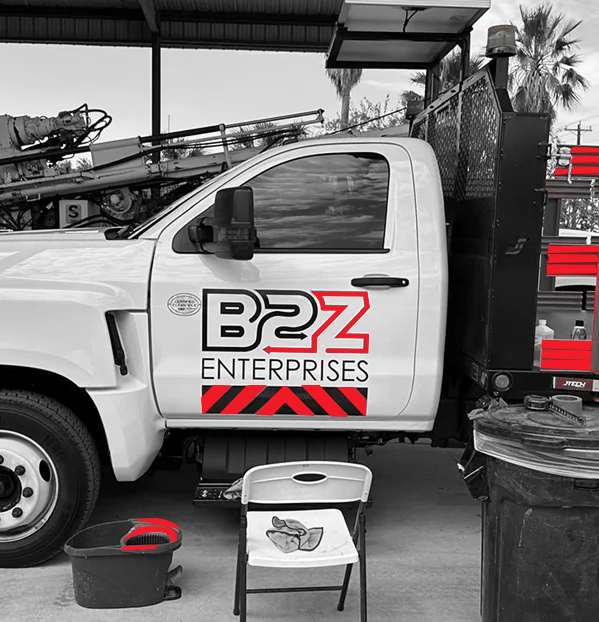
Flagging in Austin, Texas
If you see a crack forming, the clock is already ticking.
If you’ve noticed a crack spreading across your driveway, a dip forming in your parking lot, or a patch of asphalt that looks like it’s starting to crumble, the clock is already ticking. That small flaw isn’t just an eyesore. It’s an open invitation for water to seep in, freeze, expand, and turn a minor surface issue into a structural problem that costs thousands to fix. The difference between a quick seal and a full replacement is often just a few weeks of inaction.
The problem is that most people don’t think about flagging until the damage is obvious. By then, the subsurface has already been compromised. Water has traveled along the crack, eroded the base, and created a void. That void is what causes the pavement to sink, the edges to crumble, and the whole surface to fail. The fix goes from a simple application to a full excavation and repaving.
Acting now prevents that chain reaction. Flagging isn’t cosmetic maintenance. It’s a structural intervention. You’re sealing the surface against moisture, UV rays, and temperature swings. You’re keeping the base dry and stable. You’re buying years of life for your pavement at a fraction of the cost of replacement.
The math is simple. A small investment today avoids a massive expense tomorrow. But that only works if you act before the damage progresses. Waiting until next season, next rain, or next winter means the problem gets worse. Water doesn’t take a break. It works every single day, finding every crack and widening it.
Think of flagging like changing the oil in your car. You can skip it for a while and the car still runs. But eventually, the sludge builds up, the engine overheats, and you’re looking at a repair bill that dwarfs the cost of regular maintenance. Pavement works the same way. The surface is your first line of defense. Let it fail, and everything underneath is exposed.
The consequences of delay are real. A neglected crack can double in size within a single freeze-thaw cycle. In Austin, where we get those cycles every winter, a crack that starts in November can be a pothole by February. That’s not an exaggeration. It’s physics. Water expands when it freezes, and that expansion exerts enormous pressure on the surrounding pavement. The crack widens, more water gets in, and the cycle accelerates.
So don’t wait until you see a pothole. Don’t wait until the crack is wide enough to catch a tire. The time to call is now, while the damage is still surface-level. A professional flagging crew can seal those cracks, fill the voids, and restore the surface integrity in a matter of hours. The result is a pavement that looks better, lasts longer, and costs you less over time.
The choice is straightforward. Pay a little now for flagging, or pay a lot later for replacement. Most people choose the first option once they understand the stakes. The ones who don’t end up with a bill they didn’t plan for.
When Should You Schedule Flagging?
You need to schedule flagging if you see any of these signs. First, cracks wider than a quarter inch. That’s the threshold where water can enter and start doing damage. Second, any depression or dip in the pavement. That indicates the base has already eroded and a void is forming. Third, after a hard freeze or a heavy rain. Both events accelerate damage and reveal weaknesses that were hidden before.
You also need to schedule if it’s been more than two years since your last sealcoat. Even if the surface looks fine, the protective layer has worn thin. UV rays from the Texas sun break down the binder in asphalt over time. Without a fresh seal, the surface becomes brittle and prone to cracking.
Seasonal timing matters too. The best time for flagging in Austin is spring or fall. Temperatures are moderate, humidity is lower, and the forecast is more predictable. Summer heat can cause the sealant to cure too fast, reducing adhesion. Winter cold can prevent proper curing altogether. Spring and fall give you the ideal window for a long-lasting application.
But don’t let perfect weather be an excuse to delay. If you see active damage now, schedule immediately regardless of the season. A temporary fix is better than no fix. The goal is to stop water intrusion as soon as possible. You can always do a more thorough application later.
Business owners should schedule flagging during low-traffic periods. Weekends, evenings, or slow seasons are ideal. That minimizes disruption to customers and employees. Plan ahead and book your slot early, especially in spring when demand is highest.
Homeowners should schedule before the rainy season. In Austin, that means late summer to early fall. Getting your driveway sealed in August or September means it’s ready to handle the October rains. Don’t wait until the first storm hits. By then, the damage is already happening.
The bottom line is simple. If you see a crack, schedule. If it’s been two years, schedule. If we’ve just had a freeze or a heavy rain, schedule. The cost of flagging is small. The cost of ignoring it is not.
Why Timing Matters for Austin, Texas Residents
Austin’s climate is a unique challenge for pavement. We get hot, dry summers that bake the surface and make it brittle. Then we get sudden, heavy rains that flood the cracks and saturate the base. Then we get winter freezes that turn that moisture into ice and expand the damage. That freeze-thaw cycle is the single biggest threat to your driveway or parking lot.
In Austin, we average about 20 freeze-thaw cycles per year. Each one stresses the pavement. A crack that’s sealed before winter stays small. A crack that’s left open becomes a gaping wound by spring. The difference is a few hours of work in the fall versus thousands of dollars in repairs in the spring.
Local events also matter. If you’re hosting a party, a wedding, or a family gathering, you want your driveway to look its best. Flagging before an event ensures a clean, safe surface for guests. It also prevents the embarrassment of a pothole catching a heel or a tire.
The timing isn’t just about weather. It’s about your schedule, your budget, and your peace of mind. Don’t let a small crack become a big problem. Schedule your flagging when it matters most.
The Long-Term Value of Quality Flagging
Quality flagging is like a good oil change. It’s a small, routine expense that prevents a catastrophic failure. The ROI is simple. A properly sealed surface lasts years longer than an untreated one. That means you defer the cost of replacement, which can be ten times the cost of regular maintenance.
Think of it this way. A driveway that costs $5,000 to replace can be kept in good condition with $500 worth of flagging every two to three years. Over a ten-year period, you spend $2,000 on maintenance instead of $5,000 on replacement. That’s a 60% savings. And that’s not counting the avoided headaches of dealing with a full construction project.
Quality flagging also improves safety. Cracks and potholes are tripping hazards. They can catch wheelchair wheels, bike tires, and stroller wheels. They can cause falls and injuries. A smooth, sealed surface is a safe surface.
It also improves curb appeal. A well-maintained driveway or parking lot signals that you care about your property. That matters for home resale value. It matters for business image. First impressions are real, and your pavement is part of that impression.
The value extends beyond the surface. Flagging protects the base layer, which is the most expensive part of the pavement to repair. If the base stays dry and stable, the surface stays flat and functional. If the base gets compromised, the whole structure fails.
So don’t think of flagging as an expense. Think of it as an investment. A small one that pays dividends in longevity, safety, and appearance. The best time to make that investment is now, before the damage gets worse.
Why We Are the Preferred Choice in West Campus
B2Z Enterprises started with a simple belief. Business owners deserve a partner who shows up. Not just when things are easy, but when they get complicated. Not just for the sale, but for the work that follows. That belief drives everything we do.
For years, we’ve served as a trusted resource for businesses across our region. Our team brings together decades of hands-on experience in operations, logistics, procurement, and project management. We don’t just understand the theory. We’ve done the work, solved the problems, and built the systems that keep companies running smoothly.
Our clients range from small family operations to larger commercial accounts. What they all share is a need for reliability. They need vendors who deliver on time. They need partners who communicate clearly. They need solutions that work in the real world, not just on paper. That’s what we provide.
We’ve built our reputation one job at a time. One satisfied client at a time. One honest conversation at a time. In an industry where promises are cheap and follow-through is rare, we’ve chosen to be the exception. We say what we mean. We deliver what we promise. And when something goes wrong, we fix it.
Our team lives and works in this community. Our neighbors are our clients. The local business relationships we’ve built over the years matter to us. We take that trust seriously. B2Z Enterprises isn’t the biggest company in our space. But we aim to be the best. The one people recommend. The one people call when they need something done right.
We’d welcome the chance to earn your trust, too. Call us at 956-585-3773. Let’s talk about what your pavement needs.
🚩 When to Call for Help Immediately
- You see water pooling where it shouldn’t after a rain.
- Your driveway or parking lot makes a cracking sound when you walk or drive on it.
- Your energy bill spiked for no reason, indicating a potential underground leak.
- A small crack has grown visibly wider over the course of a single week.
Find Us in Austin, Texas
Expert FAQ
When should I schedule flagging?
Schedule as soon as you see a crack wider than a quarter inch, after a freeze, or if it’s been more than two years since your last seal. Spring and fall are ideal, but don’t wait if you see active damage.
How do I know if it’s urgent?
It’s urgent if you see water pooling, hear cracking sounds, or notice a crack has grown significantly in a short time. These are signs of active subsurface damage that will get worse quickly.
What happens if I wait?
Waiting allows water to penetrate deeper, freeze, and expand. A small crack becomes a large crack, then a pothole, then a full replacement. The cost goes from a few hundred dollars to several thousand.
📍 Serving the Greater Austin, Texas Area and West Campus neighborhood
B2Z Enterprises
📞 956-585-3773