
Flagging in Austin, Texas
Don’t wait until the next freeze – schedule your flagging now.
If you have noticed cracks in your driveway or sidewalk that seem to be getting wider, the clock is ticking. That small crack you walked past last week is not going to fix itself. It is going to grow. Water will get in. Freeze-thaw cycles will make it worse. And before you know it, a simple flagging job turns into a full replacement. That is the difference between a hundred dollars and a thousand. The cost of delay is always higher than the cost of action.
Flagging is not something most people think about until it is too late. You see a little unevenness. You step over a raised edge. You tell yourself you will deal with it next season. But next season comes, and the problem is bigger. The concrete is more damaged. The repair is more invasive. And the money you could have spent on a quick fix is now going toward a major project. That is how it works. Every time.
The real issue is what happens underneath. When a flagstone or concrete slab shifts, it creates a void. That void collects water. In Austin, that water freezes in winter and expands. It pushes the slab further out of place. It cracks the edges. It undermines the base. What started as a cosmetic issue becomes a structural one. And structural issues do not get better on their own.
There is also the safety angle. A raised edge is a tripping hazard. It might not be a problem for you, but it is for a guest, a delivery driver, or an elderly family member. One fall and you are looking at medical bills, liability, and a lawsuit. That is not dramatic. That is reality. A simple flagging job removes that risk entirely.
Then there is the property value. A cracked, uneven walkway tells visitors and potential buyers that the property has been neglected. It is the first thing they see. It sets the tone. Fixing it before you list your home means you get a better price. Waiting means you negotiate down. The math is simple.
The best time to schedule flagging was six months ago. The second best time is today. Do not wait until the problem is obvious to everyone. Act now. Save yourself the headache, the expense, and the regret.
When Should You Schedule Flagging?
The answer is straightforward. You should schedule flagging when you first notice a problem. Not after it gets worse. Not when you are selling the house. Right when you see it. Here are the specific triggers that mean you need to call.
You need to call if you see cracks wider than a quarter inch. That is not a hairline. That is a gap. Water gets in, dirt washes out, and the slab loses support. You need to call if a slab rocks when you step on it. That means the base is compromised. It will only get worse. You need to call if you notice water pooling in a spot that used to drain. That means the grade has changed. The slab has shifted.
You need to call if it has been more than five years since your last flagging inspection. Even if nothing looks wrong, time takes its toll. The base settles. The edges wear. A professional can spot problems before you ever see them. You need to call if you are planning to sell your home within the next year. A flagged walkway is a selling point. A cracked one is a negotiation chip for the buyer.
You need to call after a hard winter. Freeze-thaw cycles are brutal on concrete and stone. What looked fine in November can be a mess by March. You need to call after heavy construction near your property. Heavy equipment vibrations can unsettle the ground and shift slabs. You need to call if you just bought a property and do not know the maintenance history. You are inheriting someone else’s deferred maintenance.
The pattern is clear. If you see it, suspect it, or are about to sell, call. Do not wait for a sign that is impossible to ignore. By then, the cost has doubled.
Why Timing Matters for Austin, Texas Residents
Austin has a specific climate that makes timing critical. We get hot, dry summers followed by sudden, cold winters. That temperature swing is exactly what destroys flagging. In summer, the ground dries out and shrinks. Slabs settle unevenly. In winter, the ground freezes and expands. Slabs heave and crack. The cycle repeats every year.
The best time to schedule flagging in Austin is during the dry fall months. The ground is stable. The weather is workable. The repairs have time to cure before the first freeze hits. If you wait until winter, you are fighting the weather. If you wait until spring, the damage from winter is already done.
There is also the issue of local events. Austin has festivals, races, and events that bring thousands of people into neighborhoods. A tripping hazard on your sidewalk is not just a problem for you. It is a liability for everyone walking by. Schedule your flagging before the crowds show up. It is the responsible move.
The Long-Term Value of Quality Flagging
Think of flagging like changing the oil in your car. You can skip it for a while and nothing happens. Then one day the engine seizes. The same logic applies here. A small investment in flagging now prevents a massive expense later.
The return on investment is straightforward. A typical flagging job costs a fraction of a full replacement. And it extends the life of your walkway by years. You are not spending money. You are protecting the money you already put into your property.
There is also the aesthetic value. A level, clean walkway makes your entire property look better. It signals that you care. That you maintain things. That you are not letting your home slide. That matters when guests arrive. It matters when you sell.
Then there is the safety value. Every year, thousands of people are injured in trip-and-fall accidents. Many of those accidents happen on residential walkways. A flagged walkway is a safe walkway. You are protecting your family, your friends, and your visitors.
Quality flagging also improves drainage. When slabs are properly leveled, water runs off. It does not pool. It does not seep into foundations. It does not create mud or erosion. That protects your entire property, not just the walkway.
The bottom line is simple. Flagging is cheap insurance. It costs a little now and saves a lot later. Every year you delay is a year the problem gets worse. Do not let it.
Why We Are the Preferred Choice in Westlake Hills
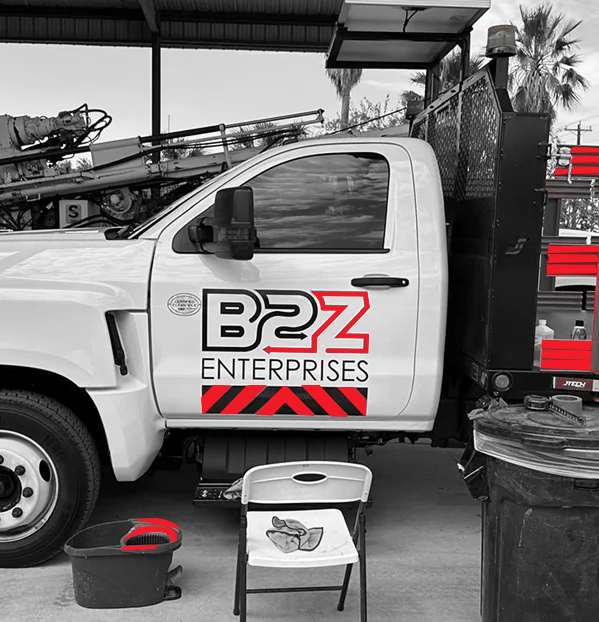
B2Z Enterprises does not put our name on work that does not hold up. That is the simplest way to explain what we are about. We have been the quiet force behind projects that need to be done right for more years than we care to count. Not fast, not cheap, not flashy. Right.
Our team brings together tradespeople who know their craft inside and out. We do not subcontract work to strangers. We do not hand off responsibility when things get complicated. When we take a job, we own it from start to finish. That means our people on site. Our standards in place. Our reputation on the line.
The local community knows us because we live here too. We shop at the same stores, send our kids to the same schools, and sit in the same traffic. Every project we complete is one we have to drive past afterward. That changes how you work. You cut no corners because those corners are on your street.
Our repeat clients tell us more than any marketing copy could. They call us back for the next job. They recommend us to neighbors. They trust us with their properties because we have earned that trust the only way that matters. Project by project.
B2Z Enterprises stands for straightforward dealing, honest pricing, and work that needs no excuses. If that sounds like what you are looking for, we are ready to talk.
🚩 When to Call for Help Immediately
- You see water pooling where it should not be after a rain.
- A slab rocks or shifts when you step on it.
- You have a visitor or delivery driver trip on a raised edge.
- A small crack has visibly widened over the past month.
Find Us in Austin, Texas
Expert FAQ
When should I schedule flagging?
Schedule it as soon as you notice a crack, a shift, or unevenness. Do not wait for the problem to get worse. The best time is before winter, but any time you see a problem is the right time.
How do I know if it is urgent?
If a slab rocks when you step on it, that is urgent. If water pools in a new spot, that is urgent. If a crack is wider than a quarter inch, that is urgent. These signs mean the base is failing and the problem is accelerating.
What happens if I wait?
The crack gets wider. The slab shifts more. Water damage gets worse. The repair goes from a quick fix to a full replacement. The cost doubles or triples. And you live with a tripping hazard in the meantime.
📍 Serving the Greater Austin, Texas Area and Westlake Hills neighborhood
B2Z Enterprises
📞 956-585-3773