
Flagging in Austin, Texas
One missed flag can cost you a redo. Here’s when to act.
If you’ve noticed a utility line marked with paint that’s already fading, or a flag that’s been knocked over by a lawn crew, the clock is ticking. That marker is the only thing standing between your next dig and a ruptured gas line. You don’t get a second warning when you hit something buried.
Flagging isn’t a suggestion. It’s a physical barrier between your project and a disaster. When those flags fade, get knocked down, or get buried under new dirt, you’re working blind. That’s not a risk. That’s a gamble with your timeline, your budget, and the safety of everyone on site.
The problem is that most people think flagging is permanent. It’s not. Sunlight, rain, and foot traffic degrade those markers faster than you’d expect. A flag that looks fine from ten feet away might be completely illegible up close. The color fades. The stake cracks. The whole thing becomes useless.
Acting now prevents a cascade of problems. If a flag fails and you hit a line, you’re looking at emergency repairs, fines, and project delays that stretch into weeks. One afternoon of re-flagging saves you from that headache. It’s a cheap fix compared to the alternative.
The real cost of delay shows up in the paperwork. If you hit a utility line, you’re not just fixing the pipe. You’re filling out incident reports, dealing with inspectors, and explaining to your client why the job stalled. That’s time you don’t get back.
We’ve seen projects grind to a halt because someone decided to “deal with it later.” Later never comes until something breaks. By then, the damage is done. A quick check of your flags today keeps your schedule on track and your crew safe.
Don’t wait until you hear that sickening crunch of a shovel hitting a buried cable. That sound means the job just got a lot more expensive. Call us now, and we’ll get your site re-flagged before the next workday starts.
When Should You Schedule Flagging?
You need to call if you see flags that are faded to the point where you can’t tell the color anymore. Orange means communication lines. Yellow means gas. Red means electric. If you can’t tell which is which, you’re guessing. That’s not acceptable on a job site.
You need to call if flags have been knocked over or displaced. A flag on the ground is useless. It tells you nothing about where the line runs underground. If a lawn crew or a piece of equipment ran over your markers, get them replaced before you dig another inch.
You need to call if it’s been more than 30 days since the last flagging. Most utility companies only guarantee their markings for a month. After that, the liability shifts back to you. If you’re working on a long-term project, schedule re-flagging every four weeks without fail.
You need to call if you’ve had heavy rain or construction nearby. Water washes away paint markings and loosens flags. New grading or fill dirt can bury markers completely. After any major site disturbance, assume your flags need attention.
You need to call if you’re starting a new phase of work. Even if the old flags look fine, a new excavation in a different area requires fresh markings. Don’t assume the previous survey covers your new trench. Get the site re-evaluated.
The simple rule is this: if you have any doubt about the accuracy or visibility of your flags, you need to schedule. Doubt is enough. You don’t need to see damage first. Waiting for proof is how accidents happen.
Why Timing Matters for Austin, Texas Residents
Austin’s weather does not play nice with flagging. The summer sun beats down hard, and UV rays fade paint and plastic flags in a matter of weeks. A flag that was bright orange in June is a washed-out pink by July. That’s not enough time for a long construction project.
Then there’s the rain. When a storm rolls through, it washes away spray paint markings and softens the ground around flag stakes. A flag that was firmly planted on Monday could be floating in a puddle on Tuesday. You can’t trust it after a downpour.
Austin also has a lot of new development. Construction crews, landscaping teams, and utility workers are constantly moving through neighborhoods. They knock over flags without realizing it. If your site is in an active area, your markers are at risk every single day.
The best time to schedule is before a weather event, not after. If you know a storm is coming, get your flags checked and reinforced. If you’re starting a project in the spring, plan for a mid-summer re-flag. Don’t let the Texas heat erase your safety net.
The Long-Term Value of Quality Flagging
Think of flagging like an oil change. You can skip it for a while and the engine still runs. But eventually, the lack of maintenance catches up. One missed oil change doesn’t kill the car. A pattern of neglect does. Flagging works the same way.
The cost of a re-flag is small compared to the cost of a utility strike. A single hit on a gas line can run tens of thousands of dollars in repairs, fines, and lost work time. That’s not counting the potential for injury or worse. A few hundred dollars in flagging is cheap insurance.
There’s also the value of reputation. If you hit a line on a job, your client remembers. Word spreads. Suddenly, you’re the contractor who “doesn’t check before digging.” That label sticks. Quality flagging shows you run a tight operation.
Regular flagging also keeps your project on schedule. When you know exactly where every line runs, you dig with confidence. No surprises. No emergency calls to the utility company. No waiting for a repair crew to show up and shut down your site for a day.
The long-term value is simple: you avoid the big problems by taking care of the small ones. Flagging is one of those small things that prevents a cascade of big, expensive, time-consuming disasters. Do it right. Do it on schedule.
Why We Are the Preferred Choice in Cherrywood
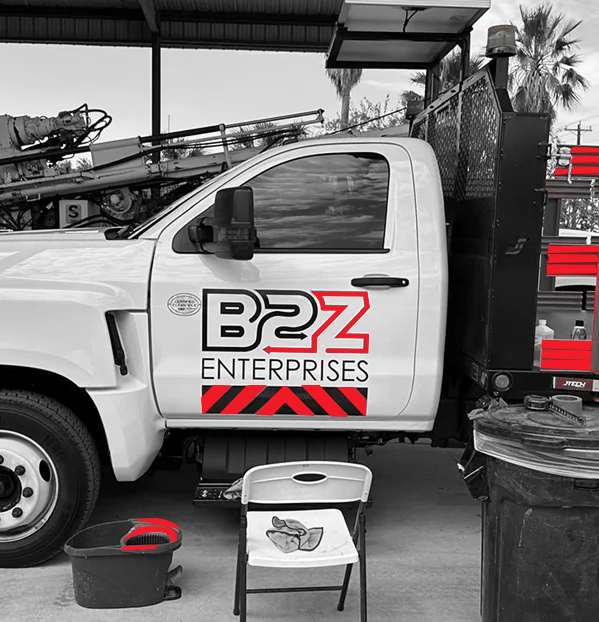
B2Z Enterprises has been serving the Austin area for years. We didn’t build our reputation on flashy marketing. We built it by showing up, doing the work, and getting out of the way. Our clients keep coming back because we deliver what we promise.
We hire people who take pride in their work. Every flag we place is set with the understanding that someone’s safety depends on it. We don’t rush. We don’t cut corners. We make sure the job is done right the first time, every time.
Our team knows the Cherrywood neighborhood. We know the utility layouts, the common problem areas, and the local regulations. That local knowledge means we work faster and more accurately than someone who just shows up with a map.
We’re deeply rooted in this community. The relationships we’ve built matter more to us than any single transaction. When you call B2Z Enterprises, you’re not talking to a call center. You’re talking to people who care about your project and your safety.
We keep our promises. We show up. We deliver. That’s not a slogan. That’s how we operate. If you need flagging in Austin, we’re the team to call.
🚩 When to Call for Help Immediately
- You see flags that are faded to the point where you can’t tell the color.
- A storm or construction crew has knocked over your markers.
- It’s been more than 30 days since your last flagging.
- You’re about to start a new phase of excavation on an existing site.
Find Us in Austin, Texas
Expert FAQ
When should I schedule flagging?
Schedule flagging before any excavation begins, then every 30 days for ongoing projects. Also schedule after heavy rain, after any construction activity on site, or if you notice flags are faded or knocked over.
How do I know if it’s urgent?
It’s urgent if you cannot clearly read the color or marking on any flag, if flags have been displaced, or if you are unsure whether the current markings are still valid. If you have any doubt, it’s urgent.
What happens if I wait?
Waiting increases the risk of a utility strike. That means emergency repairs, fines, project delays, and potential injury. The cost of waiting is always higher than the cost of re-flagging.
📍 Serving the Greater Austin, Texas Area and Cherrywood neighborhood
B2Z Enterprises
📞 956-585-377