
Flagging in Austin, Texas
Don’t wait until a small issue becomes a major expense.
If you’ve noticed a small crack in your foundation or a patch of grass that stays wet long after it rains, the clock is ticking. What looks like a minor issue today can become a major structural problem in a matter of weeks. The cost of ignoring it compounds fast. A hairline crack turns into a gap. A damp spot becomes standing water. And standing water, left unchecked, will find its way into your basement, your crawlspace, or your slab.
Flagging isn’t something you schedule when you have free time. It’s something you schedule when you see the signs. The difference between a $500 fix and a $5,000 repair is often just a few weeks of delay. That’s not a scare tactic. That’s physics. Water moves. Soil shifts. Concrete settles. And the longer you let it happen without intervention, the more aggressive the damage becomes.
Think of flagging like changing the oil in your car. You don’t wait until the engine seizes. You do it when the mileage tells you to. The same logic applies here. Your property has a natural timeline. After a heavy rain, after a dry spell, after a freeze — those are the moments when stress is highest. Flagging catches the problem before it becomes a crisis. It’s a small investment in awareness that saves you from a much larger bill.
The worst time to call for flagging is after you’ve already seen damage inside your home. Cracks in drywall, doors that stick, windows that won’t close — those are late-stage symptoms. By the time you see them, the foundation has already moved. Flagging is meant to catch the early signs. The subtle shifts. The minor drainage issues. The things you wouldn’t notice unless someone trained to spot them was looking.
So if you’ve seen something — anything — that feels off, don’t wait. A quick call now can save you weeks of headaches and thousands of dollars. The only thing worse than finding out you have a problem is finding out you could have stopped it.
When Should You Schedule Flagging?
You need to schedule flagging when you see any of these signs. If you notice a crack in your foundation that wasn’t there last month, call now. If you see water pooling near your foundation after a rain, call now. If your doors or windows start sticking for no clear reason, call now. These are not coincidences. They are signals that something has moved.
Timing also depends on the season. In Austin, the summer heat dries out the soil and causes it to shrink. That can create gaps under your foundation. When the rain returns, the soil expands again and pushes back. This cycle of expansion and contraction is what causes foundations to crack and settle. Flagging right after a dry spell or right after a heavy rain gives you the most accurate picture of how your property is handling the stress.
There are also deadlines to keep in mind. If you’re buying or selling a home, flagging should be part of the inspection process. If you’re planning a major renovation, flagging should happen before you start. If you’ve had work done on your foundation in the past, flagging should be an annual checkup. The goal is to stay ahead of the problem, not chase it.
Here’s a simple rule: if you’re wondering whether you need flagging, you probably do. Trust your gut. The cost of a routine inspection is nothing compared to the cost of a foundation repair. Don’t let a small concern turn into a major expense.
Why Timing Matters for Austin, Texas Residents
Austin’s climate is a unique challenge for foundations. We get long, dry summers followed by sudden, heavy rains. That swing from dry to wet is exactly what causes the most damage. The soil here — a mix of clay and limestone — expands and contracts dramatically with moisture changes. When it dries out, it shrinks and pulls away from your foundation. When it gets wet, it swells and pushes against it. Over time, this constant movement creates cracks, shifts, and settling.
Timing your flagging around these weather patterns is critical. Schedule it after the first heavy rain of the season to see how your drainage is handling the water. Schedule it after a long dry spell to check for gaps and settling. And if we get a hard freeze — which happens more often than people think — schedule it after the thaw to look for frost-related damage. In Austin, the best time to flag is right after a weather event, not before.
Local events also play a role. If you’re hosting a big gathering or planning a home improvement project, flagging beforehand gives you peace of mind. You don’t want to find out your foundation is shifting right before the holidays or during a renovation. Plan ahead and stay ahead.
The Long-Term Value of Quality Flagging
Flagging is like going to the dentist for a checkup. You don’t go because you want to. You go because a small cavity today is a root canal tomorrow. The same logic applies to your property. A routine flagging inspection costs a fraction of what a full foundation repair costs. It’s the kind of investment that pays for itself many times over.
Think of it this way: a small crack in your foundation might cost $200 to flag and monitor. If you ignore it, that same crack could turn into a structural issue that costs $5,000 to repair. That’s a 25x return on investment for a simple inspection. And that’s just the direct cost. There’s also the hassle, the disruption, and the lost time. A quick check now saves you all of that.
Flagging also protects your property value. When you go to sell your home, a clean inspection report is a huge advantage. Buyers want to know the foundation is solid. If you can show them a history of regular flagging, that’s a strong signal that you’ve taken care of the property. It’s a small detail that can make a big difference in negotiations.
The bottom line is simple: flagging is cheap insurance. It’s the easiest way to protect your biggest investment. Don’t wait until you have a problem to start paying attention. Schedule it now and save yourself the headache later.
Why We Are the Preferred Choice in Holly
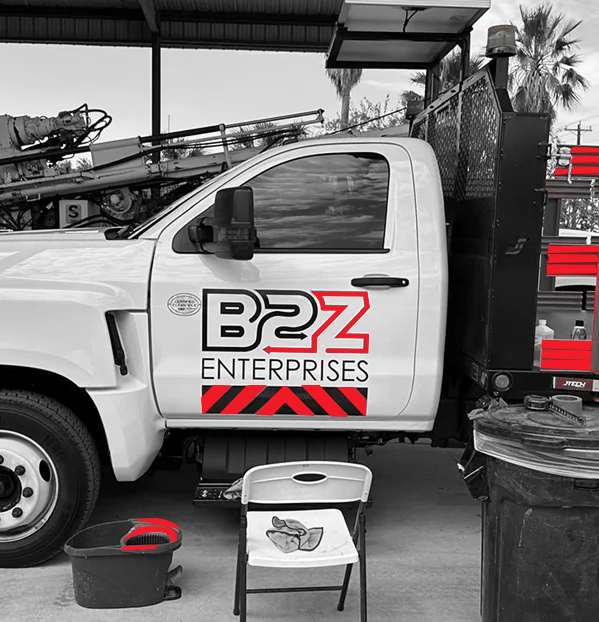
We started B2Z Enterprises with a straightforward idea: give people quality products and honest service. That was years ago, and that idea still drives everything we do today. We operate in the Austin area and have built our reputation one transaction at a time. Customers come back because they trust us. Not because we have the flashiest ads or the slickest sales pitch. Because we deliver what we promise.
Our team knows this industry inside and out. We hire people who care about getting the details right. People who show up on time, communicate clearly, and treat every customer like a neighbor. Because in this community, that’s exactly what they are. We’re proud of the relationships we’ve built. Local partnerships, repeat business, word-of-mouth referrals — that’s the foundation of this company. We don’t chase trends. We focus on what works and we do it consistently.
B2Z Enterprises is a local business run by people who live here, work here, and want to see this community succeed. When you work with us, you get experienced professionals who take your business seriously. No runaround. No excuses. Just results. That’s who we are. That’s what we do. And we’d be glad to show you why so many customers trust us with their property.
🚩 When to Call for Help Immediately
- You see water pooling near your foundation after a rain.
- Your doors or windows start sticking for no clear reason.
- You notice a crack in your foundation that wasn’t there last month.
- Your energy bill spiked for no reason — air leaks often follow foundation shifts.
Find Us in Austin, Texas
Expert FAQ
When should I schedule flagging?
Schedule it right after a heavy rain, a long dry spell, or a freeze. Also schedule it before a major renovation or home sale.
How do I know if it’s urgent?
If you see cracks, water pooling, or doors sticking, it’s urgent. Don’t wait — call now.
What happens if I wait?
Small issues become big ones. A hairline crack can turn into a structural problem. The cost of repair multiplies quickly.
📍 Serving the Greater Austin, Texas Area and Holly neighborhood
B2Z Enterprises
📞 956-585-3773