
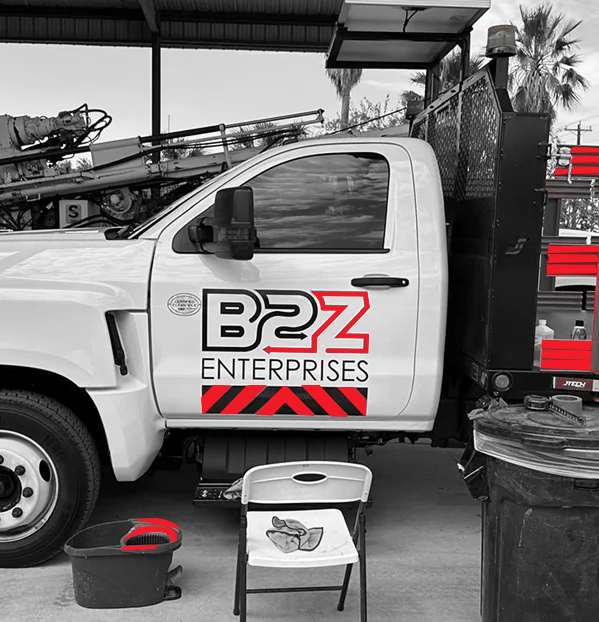
Flagging in Austin, Texas
One missed sign can cost you thousands. Here’s when to act.
If you’ve noticed a small crack in your driveway, a patch of pavement that looks uneven, or a section of asphalt that’s started to crumble, the clock is ticking. That minor imperfection isn’t just an eyesore. It’s an open invitation for water to seep in, freeze, expand, and turn a simple fix into a full replacement. The same logic applies to any surface that needs flagging — whether it’s a parking lot, a walkway, or a commercial loading zone. The damage doesn’t stop on its own. It accelerates.
Here’s the problem most people miss: flagging isn’t something you schedule when the surface is already falling apart. You schedule it when you first see the warning signs. Waiting until potholes form or trip hazards appear means you’ve already passed the point where a quick, affordable solution would have worked. The cost of repair multiplies. The timeline stretches. And the liability risk goes up every single day you delay.
Think of it like an oil change. You don’t wait until the engine seizes to check the oil. You do it on a schedule, based on mileage and wear. Flagging works the same way. It’s preventive maintenance that keeps a small problem from becoming a major expense. In Austin, where the weather swings from scorching summers to freezing winter nights, those temperature shifts put constant stress on paved surfaces. The ground moves. The material expands and contracts. Cracks form. And once water gets in, the freeze-thaw cycle does the rest.
The consequences of delay are straightforward. A crack that’s a quarter-inch wide today can be an inch wide in six months. That inch-wide crack leads to a sunken area. That sunken area becomes a trip hazard. And that trip hazard can lead to a lawsuit, a worker’s comp claim, or a customer injury. One missed sign can cost you thousands in repairs, legal fees, and lost business.
You also have to consider the operational impact. A parking lot with crumbling edges or uneven flagging doesn’t inspire confidence. Customers notice. They wonder if the inside of your business is as neglected as the outside. If you manage a property, tenants will start complaining. If you run a construction site, OSHA takes a dim view of unmarked hazards. The longer you wait, the more people talk. And not in a good way.
The smart move is to act when you first see the warning signs. Not when the damage is obvious to everyone. Not when you get a citation or a complaint. Now. Because the fix is faster, cheaper, and less disruptive when you catch it early. A professional flagging crew can assess the area, mark the problem spots, and give you a clear plan of action in a single visit. That’s it. One conversation, one assessment, and you know exactly what you’re dealing with.
Delaying doesn’t save you money. It costs you more. Every season that passes, every rainstorm, every freeze adds to the damage. The crack grows. The hole deepens. The repair gets more expensive. And you’re the one who has to explain why you didn’t act sooner.
Don’t wait until it’s too late. If you’ve seen something that doesn’t look right, it’s time to make a call.
When Should You Schedule Flagging?
You need to schedule flagging immediately if you see any of these warning signs. First, you notice cracks wider than a quarter-inch. That’s not a cosmetic issue. That’s a structural failure starting to happen. Second, you see uneven surfaces where water pools after a rain. Standing water is a sign that the base underneath has shifted. Third, you hear a hollow sound when you walk or drive over a section of pavement. That means the material has separated from the subgrade and is about to fail. Fourth, you spot vegetation growing through cracks. Weeds and grass are nature’s way of telling you the surface is compromised.
There are also seasonal triggers you should put on your calendar. Schedule a flagging inspection every spring after the last freeze. Winter does the most damage to paved surfaces. The freeze-thaw cycle opens cracks and weakens the base. A spring check catches those problems before summer heat makes them worse. You should also schedule after any major construction or utility work near your property. Heavy equipment and digging can destabilize the ground and cause settling that shows up months later.
Timing also depends on the type of surface. High-traffic areas like parking lots and driveways need more frequent attention. If you run a business, you should have a professional look at your lot at least once a year. Residential driveways can go longer, but you should still inspect them after every hard freeze or heavy rain. The key is to be proactive. Don’t wait until the damage is obvious to everyone who visits your property.
You should also pay attention to the age of the surface. Asphalt and concrete have a lifespan. If your driveway or parking lot is more than ten years old, it’s entering the window where flagging becomes more critical. The material is less flexible. Cracks form more easily. And repairs become more complex. An older surface needs more frequent inspections and quicker action when problems appear.
Finally, schedule flagging if you’re planning to sell your property. A cracked, uneven driveway or parking lot is a negotiating point for buyers. They’ll ask for a credit or a price reduction. Getting the flagging done before you list means you control the timeline and the cost. You present a property that’s move-in ready, not a fixer-upper.
Why Timing Matters for Austin, Texas Residents
Austin’s climate is brutal on paved surfaces. The city sees over 300 days of sun a year, which means constant UV exposure that dries out asphalt and makes it brittle. Then you add the summer heat. Pavement temperatures can hit 140 degrees. That heat causes expansion. When winter arrives, you get freezing nights that contract the surface. That constant expansion and contraction cycle is what creates cracks.
The real problem comes during Austin’s freeze events. It doesn’t happen every year, but when it does, it’s destructive. Water seeps into those cracks, freezes, and expands. That pressure forces the crack wider. When the ice thaws, you’re left with a gap that’s bigger than it was before. One hard freeze can undo years of maintenance.
Austin also has clay soil, which expands when wet and contracts when dry. That soil movement puts stress on any paved surface. During a wet spring, the ground swells. During a dry summer, it shrinks. That shifting causes the pavement to crack and settle unevenly. Flagging in Austin isn’t just about fixing what you see. It’s about anticipating what the soil and weather are going to do next.
If you live near Lady Bird Lake or in the hills west of town, you also have to deal with drainage issues. Runoff from storms can erode the base under your driveway or parking lot. That erosion creates voids that eventually cause the surface to collapse. A flagging inspection that includes a drainage check can catch those problems before they turn into sinkholes.
The Long-Term Value of Quality Flagging
Flagging is one of those investments that feels optional until you need it. Then it’s the only thing that matters. The math is simple. A small crack repair costs a fraction of a full replacement. Catching a problem early means you spend a few hundred dollars instead of a few thousand. That’s not a guess. That’s the difference between preventive maintenance and reactive repair.
Think of it like going to the dentist. You get a filling for a cavity. That’s a minor procedure. Wait until the tooth is infected, and you need a root canal or an extraction. Same principle applies to your paved surfaces. A small crack gets sealed. Done. Wait until water gets underneath and the whole section sinks, and you’re ripping out and repaving a much larger area.
There’s also the liability angle. If someone trips on an uneven surface on your property, you’re responsible. Medical bills, legal fees, insurance deductibles. That one incident can cost more than a decade of flagging maintenance. A single lawsuit can wipe out any savings you thought you had by delaying.
Property value matters too. A well-maintained driveway or parking lot signals that the owner cares. It’s a small detail that makes a big impression. When you sell, that attention to maintenance translates into a higher offer. Buyers are willing to pay more for a property that doesn’t have deferred maintenance hanging over it.
The bottom line is that flagging is cheap insurance. It protects your investment, your safety, and your reputation. The cost of doing it is small. The cost of not doing it is unpredictable and often much larger. You’re not spending money. You’re preventing a loss.
Why We Are the Preferred Choice in Colony Park
B2Z Enterprises has been serving the greater Austin area for more than a decade. We’re not a fly-by-night operation. We’re a family-owned business with a reputation built on showing up when we say we will and doing the job right the first time. Our team brings decades of combined experience in operations, logistics, and business development. That depth of knowledge means we can handle complex projects that other firms pass on.
What sets us apart is how we work. We don’t subcontract. We manage our own crews. That means direct accountability. When you call B2Z, you’re talking to the people who will do the work. There’s no middleman. No finger-pointing. Just a straight answer and a job done right.
We’ve earned repeat business from some of the most demanding companies in the area. That’s not something we take lightly. It’s a reflection of our commitment to quality and reliability. We hire locally, support local causes, and take the same approach to a small residential project as we do to a major commercial contract. Our family name is on every job.
In Colony Park, we’ve built a reputation for being the company that shows up when promised, charges what was quoted, and handles problems before they reach your desk. If you’re looking for a firm that treats your property like their own, we’re ready to earn your trust.
🚩 When to Call for Help Immediately
- You see water pooling where it shouldn’t after a rain.
- Your driveway or parking lot makes a hollow sound when you walk on it.
- Your energy bill spiked for no reason, and you suspect foundation or slab issues.
- A small crack has grown noticeably wider over the past week.
Find Us in Austin, Texas
Expert FAQ
When should I schedule flagging?
Schedule it as soon as you see any crack wider than a quarter-inch, uneven surfaces, or after every hard freeze. Spring is the best time for a full inspection.
How do I know if it’s urgent?
If you see water pooling, feel a hollow spot, or notice a crack growing day by day, it’s urgent. Those signs mean the damage is accelerating.
What happens if I wait?
The crack gets wider, the repair gets more expensive, and you risk trip hazards and liability. A small fix today prevents a major replacement tomorrow.
📍 Serving the Greater Austin, Texas Area and Colony Park neighborhood
B2Z Enterprises
📞 956-585-3773