
Flagging in Austin, Texas
Don’t wait for a bigger problem – act when you see the first sign.
If you’ve noticed a single crack in your foundation, a small patch of damp drywall, or a door that suddenly sticks, the clock is ticking. These aren’t random annoyances. They’re warning signs that water is moving where it shouldn’t, and the damage is already spreading beneath the surface. Flagging in Austin is the fix that stops that progression cold, but only if you act before the problem compounds. Every day you wait, the repair gets bigger, the cost climbs, and the disruption to your home or business grows. Acting now isn’t about convenience. It’s about preventing a manageable issue from turning into a full-scale emergency.
The logic is simple. A small leak or a drainage issue that’s left unchecked will find a path of least resistance. That path often leads through your foundation, your walls, or your slab. Once water gets in, it doesn’t stop. It erodes soil, weakens concrete, and creates voids that lead to settling and cracking. By the time you see the surface damage, the structural impact is already weeks or months old. Flagging addresses the root cause before that chain reaction plays out. It’s the difference between a targeted repair and a full reconstruction.
Think of it like a check engine light. You can ignore it for a while, but eventually the car stops. Flagging is the diagnostic that tells you exactly where the problem is and how to fix it. It’s a precise, non-invasive way to identify issues before they become crises. And in a climate like Austin’s, where the ground shifts with every dry spell and heavy rain, that early warning is worth its weight in concrete. The cost of flagging is a fraction of what you’d pay for foundation repair, slab replacement, or water damage restoration. The math is simple: invest now or pay much more later.
The consequences of delay are not abstract. A slow leak can turn into mold growth, which triggers health concerns and expensive remediation. A drainage issue can undermine your driveway, patio, or walkway, creating trip hazards and reducing property value. In a commercial setting, a failing slab can shut down operations, cost you revenue, and damage your reputation. Flagging isn’t just about fixing a problem. It’s about protecting your investment, your safety, and your peace of mind. The moment you spot a warning sign, you have a choice. You can let it fester, or you can make a call and get it sorted.
We don’t want you to be the person who wishes they’d called sooner. We’ve seen too many jobs that started as a small crack and ended as a major project. The difference between those two outcomes is timing. Call when you see the first sign. That’s the smart move. That’s the move that saves you money, time, and stress. Flagging in Austin is your first line of defense, and it works best when you use it early.
When Should You Schedule Flagging?
You should schedule flagging the moment you see any of these specific triggers. First, if you notice water pooling in your yard or around your foundation after a rain, that’s a sign your drainage is failing. Second, if you see cracks in your interior walls, especially around doors or windows, the ground beneath your slab is shifting. Third, if your energy bill spikes for no reason, you may have air leaks from a compromised foundation. Fourth, if you hear a new, unexplained sound – like a drip, a gurgle, or a hiss – water is moving where it shouldn’t. Fifth, if it’s been more than two years since your last inspection, you’re overdue. Sixth, if you’re planning a major renovation or adding a new structure, flagging before you build prevents costly surprises. Seventh, if you’ve just bought a property, schedule flagging as part of your due diligence. Eighth, if you’re selling, flagging gives you a clean bill of health to show buyers.
Timing is everything. The best time to flag is before the rainy season starts, so you can address drainage issues while the ground is dry. In Austin, that means scheduling between late winter and early spring. The second best time is right after a heavy rain, when problems are most visible. The worst time is after the damage is done and you’re looking at a repair bill that’s ten times what flagging would have cost. Don’t wait for a crisis to force your hand. Schedule proactively, and you’ll stay ahead of the curve.
There are also seasonal deadlines that matter. If you’re in a neighborhood with HOA rules, you may need to flag before a certain date to meet compliance. If you’re planning a summer project, flagging in the spring gives you a clear timeline. If you’re dealing with an insurance claim, flagging provides the documentation you need to prove the damage existed before you filed. Every situation has a window of opportunity, and the key is to act while that window is open.
Why Timing Matters for Austin, Texas Residents
Austin’s climate is a perfect storm for foundation and drainage problems. We get long, dry summers that shrink the clay soil, followed by sudden, heavy rains that swell it. That constant expansion and contraction puts enormous stress on your slab and foundation. If you flag during the dry season, you can see exactly where the soil has pulled away and where water will pool when the rain comes. If you wait until after a storm, the damage is already done. The soil has shifted, cracks have formed, and water has found its way in.
Winter freezes are another concern. Even a mild freeze can crack exposed pipes or cause water to expand in a void, widening the damage. Flagging before the first freeze gives you a chance to insulate, repair, or redirect water away from vulnerable areas. Austin’s unique geology, with its layers of limestone and clay, means that water doesn’t drain evenly. Flagging identifies those trouble spots before they become sinkholes or slab failures. Local timing isn’t a suggestion. It’s a requirement for protecting your property in this city.
The Long-Term Value of Quality Flagging
Quality flagging is like an oil change for your property. It’s a small, routine investment that prevents catastrophic engine failure. The cost of flagging is a fraction of what you’d pay for foundation repair, slab replacement, or water damage restoration. A typical foundation repair can run into the tens of thousands of dollars. Flagging costs a few hundred. The ROI is obvious. It’s the same logic as a dentist visit. You can ignore a small cavity, but eventually you’re looking at a root canal and a crown. Flagging catches the cavity before it becomes a crisis.
The benefits go beyond cost. A properly flagged property holds its value better. When you sell, a clean flagging report gives buyers confidence. It removes a major source of negotiation and uncertainty. For commercial properties, flagging protects your operations. A slab failure can shut down a warehouse, a retail space, or an office for weeks. The lost revenue alone can dwarf the cost of flagging. For homeowners, it protects your family’s safety and your peace of mind. No one wants to wake up to a flooded basement or a cracked foundation. Flagging is the insurance that prevents that call.
The long-term value is simple. You spend a little now to save a lot later. You protect your property, your finances, and your schedule. You avoid the stress of an emergency repair. You get the confidence that your foundation is sound. That’s the value of quality flagging, and it’s available to every Austin resident who picks up the phone.
Why We Are the Preferred Choice in Montopolis
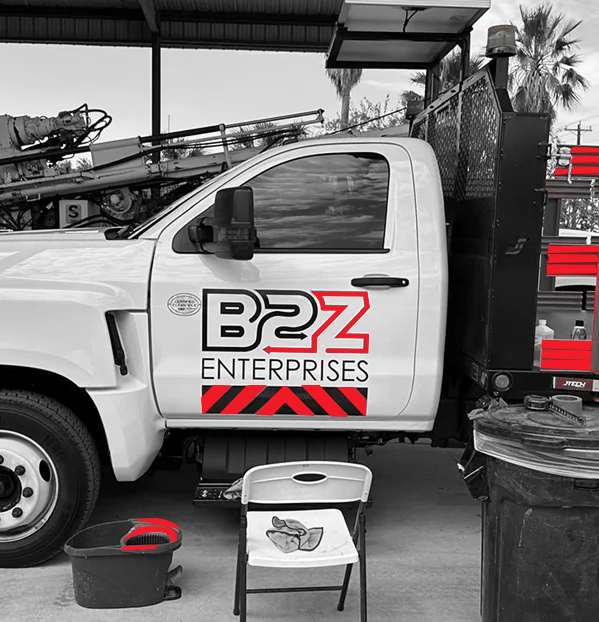
For more than a decade, B2Z Enterprises has served as a reliable partner for businesses and individuals across the region. What started as a small operation built on a handshake has grown into a firm known for consistent delivery, clear communication, and results that speak for themselves. We operate with a simple belief: every client deserves straight answers and work that meets the standard we set for ourselves. No over-promising. No fine print surprises. Just honest effort and accountability from start to finish.
Our team brings together decades of combined experience across multiple disciplines. That depth allows us to handle projects others turn away. When a deadline is tight or a scope shifts unexpectedly, we adapt without losing momentum. Our clients stay with us because we show up, we listen, and we deliver. Local roots matter to us. The businesses we work with are part of the same communities we call home. Every project we complete reflects that commitment. We take pride in seeing the work we do strengthen the neighborhoods and industries around us.
B2Z Enterprises is built on reputation. We earn it with every job, every decision, and every relationship we build. In Montopolis, that reputation means we’re the first call when a problem arises. We know the soil, the weather patterns, and the common issues that affect homes and businesses in this neighborhood. We don’t just fix problems. We prevent them. And we do it with the same integrity that’s guided us for over a decade. When you choose us, you choose a partner who treats your property like their own.
🚩 When to Call for Help Immediately
- You see water pooling where it shouldn’t after a light rain.
- Your system makes a noise you’ve never heard before, like a drip or a hiss.
- Your energy bill spiked for no reason, indicating a potential foundation leak.
- A small crack has grown over a week, signaling active soil movement.
Find Us in Austin, Texas
Expert FAQ
When should I schedule flagging?
Schedule as soon as you notice any warning sign, like a new crack, water pooling, or an unexplained energy bill spike. For proactive maintenance, schedule every two years, or before the rainy season in Austin.
How do I know if it’s urgent?
It’s urgent if you see active water intrusion, hear a new sound from your plumbing or foundation, or notice a crack growing rapidly. Any sign of structural movement or moisture inside your home or business is a reason to call immediately.
What happens if I wait?
Waiting allows the problem to worsen. A small crack can become a foundation shift. A minor leak can lead to mold and structural damage. The cost of repair can increase tenfold