
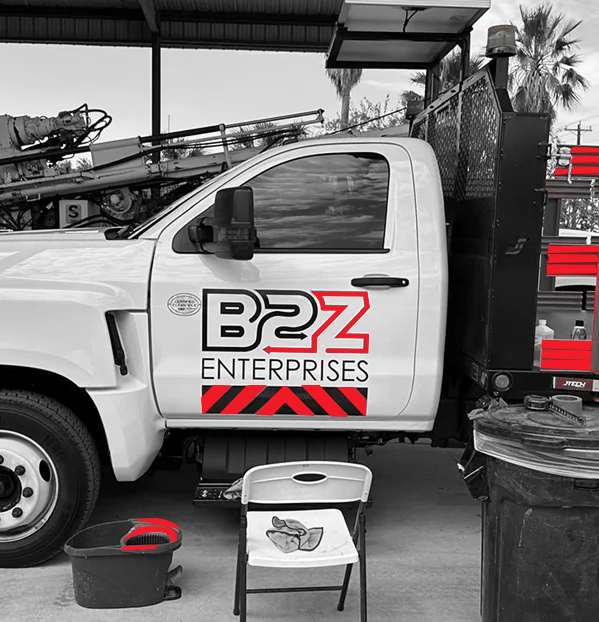
Flagging in Austin, Texas
If you’ve spotted cracks in your walls, the clock is ticking.
If you’ve noticed a hairline crack in your foundation or a door that suddenly sticks, the clock is ticking. These aren’t cosmetic nuisances. They are warning signs that your property’s structural integrity is shifting. And in Austin, Texas, where the soil expands and contracts with every rain and drought, that shift accelerates faster than most people realize.
Flagging is the process of marking, monitoring, and addressing those early indicators before they turn into a full-blown structural failure. Think of it like the check engine light in your car. You can ignore it for a while, but the cost of that choice multiplies every mile you drive. The same logic applies to your home or commercial building. A small crack today is a $500 fix. Wait six months, and that same crack becomes a $5,000 repair involving mud jacking or pier installation.
The problem is that most people don’t know what they’re looking at. They see a crack and assume it’s just settling. Or they notice a window that won’t close all the way and blame the humidity. But these are not random occurrences. They are evidence that the ground beneath your building is moving. And because Austin sits on a mix of clay and limestone, the movement is not subtle. It’s dramatic, seasonal, and relentless.
Here’s what happens when you delay. Water finds the path of least resistance. That crack in your slab becomes a highway for moisture. Moisture leads to mold, which leads to health problems and remediation costs. The crack widens. The floor begins to slope. Your drywall starts to separate at the seams. By the time you realize you have a problem, the solution involves heavy equipment, permits, and weeks of disruption.
Flagging stops that chain reaction before it starts. We come to your property, inspect the visible signs, and mark the areas that need attention. We measure the width of cracks, check for level changes, and document everything. That documentation is critical because it gives you a baseline. Without a baseline, you’re guessing. With it, you can track whether a crack is stable or growing. If it’s stable, you can plan the repair on your schedule. If it’s growing, you know you need to act immediately.
The value of flagging is not in the act itself. It’s in the decision it enables. You either fix a small problem now, or you wait and pay for a big problem later. There is no third option where the problem fixes itself. Foundations don’t heal. They only get worse.
Every month you wait, the soil under your property cycles through another wet-dry cycle. Each cycle adds stress. Each stress adds movement. And each movement adds cost. Flagging is the single most cost-effective way to stay ahead of that curve. It’s cheap, it’s fast, and it gives you the information you need to make a smart decision.
Don’t let a small thing become a big thing. If you’ve seen something that doesn’t look right, call us today. We’ll come out, take a look, and tell you exactly where you stand. No pressure. Just straight talk and a clear path forward.
When Should You Schedule Flagging?
Flagging is not a one-time event. It’s a response to specific triggers. If you experience any of the following, it’s time to pick up the phone.
You see a new crack in your foundation or interior walls. That’s the most obvious sign. If you run your hand over it and feel a sharp edge, that crack is active. Active cracks grow. They don’t stay the same size. If you measure it today and again next week, and it’s wider, you have a problem that needs immediate attention.
Your doors or windows start sticking. This is a classic sign of foundation movement. When the slab shifts, the frame shifts with it. That door that used to close with a gentle push now requires a shoulder check. That window that slid open easily now fights you. These are not hardware problems. They are structural problems showing up in your hardware.
You notice gaps between your baseboards and the floor. Or between your cabinets and the ceiling. Those gaps mean the walls are moving apart. It’s not a settling issue. It’s a separation issue. And separation only gets worse.
You see water pooling in your yard after a rain, especially near the foundation. That water is saturating the soil and making it expand. When the soil dries out, it contracts. That expansion and contraction cycle is what breaks foundations. If you see water collecting, you need to address drainage and flag the foundation for monitoring.
You’ve had a recent drought or heavy rain event. Austin weather is extreme. We go from bone-dry to torrential in a matter of days. Each extreme event stresses the soil. After a drought, the soil shrinks and pulls away from the foundation. After a flood, it swells and pushes against it. If you’ve had either, schedule a flagging inspection within 30 days.
It’s been more than two years since your last inspection. Even if you don’t see any signs, the soil is still moving. A baseline inspection every two years gives you a record. You can compare the data and catch slow movement before it becomes visible.
You’re planning to sell your property. Buyers are getting smarter. They hire home inspectors who look for foundation issues. If you flag the property now, you can either fix the problem or disclose it honestly. Both are better than a surprise during the closing process that kills the deal.
You hear a new sound. A pop. A creak. A groan. Wood and concrete don’t make noise for no reason. That sound is stress releasing. It’s a sign that something is shifting. Flag it before it becomes a crack.
Why Timing Matters for Austin, Texas Residents
Austin’s climate is not friendly to foundations. We get long, dry summers followed by sudden, heavy downpours. That cycle is the single biggest threat to your slab. When the soil dries out, it shrinks and pulls away from the foundation. When it gets wet, it expands and pushes against it. Over time, that back-and-forth movement creates stress fractures.
The worst time of year is late summer, after months of drought. The ground is cracked and dry. Then the first big storm hits. The soil swells rapidly. That sudden expansion can crack a slab in a single night. If you flag your property before that storm, you know where the weak points are. You can take preventive measures like watering the soil to keep it stable or installing a drainage system.
Timing also matters for construction projects. If you’re building an addition or installing a pool, you need to flag the existing foundation first. Construction vibrations can worsen existing cracks. Flagging gives you a before-and-after record. It protects you from liability and helps you plan the work.
And don’t forget the freeze events. Austin gets a hard freeze every few years. When the ground freezes, it expands. That expansion can lift a foundation and crack it. If you flag before the freeze, you know what you’re dealing with. If you wait until after, you’re already in damage control mode.
The Long-Term Value of Quality Flagging
Flagging is not an expense. It’s an investment that pays for itself many times over. Think of it like changing the oil in your car. A $50 oil change every 5,000 miles keeps your engine running for 200,000 miles. Skip it, and you’re looking at a $5,000 engine replacement. Flagging works the same way.
A single flagging inspection costs a few hundred dollars. It can save you tens of thousands in foundation repairs. How? By catching problems early. A crack that is flagged and monitored can be sealed with epoxy for a few hundred dollars. A crack that goes unnoticed for a year requires mud jacking or pier installation, which costs thousands.
The value also shows up in your property’s resale price. A home with a documented flagging history is a home with a clean bill of health. Buyers trust it. They don’t negotiate down because of unknown risks. That piece of paper with the inspection date and measurements is worth real money at the closing table.
And there’s the hidden cost of stress. When you know your foundation is stable, you sleep better. You don’t worry about that crack in the corner. You don’t wonder if the door is going to stick worse next month. Peace of mind has a value, even if it’s hard to put a number on it.
Quality flagging also helps you plan. If we flag your property and find a stable crack, you can budget for the repair. You can schedule it for a time that works for you. You’re not forced into an emergency repair that disrupts your life and empties your bank account.
The ROI is simple. Spend a little now to avoid spending a lot later. Every dollar you put into flagging protects ten dollars of your property’s value. That’s a return you can take to the bank.
Why We Are the Preferred Choice in Austin, Texas
B2Z Enterprises has spent years building a reputation that matters more than any slogan ever could. We are a locally owned and operated firm that understands the markets we serve because we live in them. Our work shows up in commercial buildings, residential developments, and industrial sites across the region.
Our team handles projects others walk away from. We manage complex logistics, coordinate multiple moving parts, and deliver results on time. That consistency has built relationships that span years, not months.
Trust is earned one job at a time. We earn it by showing up, communicating clearly, and never cutting corners. Our clients include property managers, general contractors, and business owners who need a partner they can count on.
We are not the biggest firm in our space. We are the one people call when they need it done right.
B2Z Enterprises. Built on work that speaks for itself.
🚩 When to Call for Help Immediately
- You see a crack wider than 1/8 of an inch in your foundation wall.
- Your floor has developed a noticeable slope that makes furniture wobble.
- Your energy bill spiked for no reason, indicating a gap in your envelope.
- A small crack has grown visibly wider over the course of a week.
Find Us in Austin, Texas
Expert FAQ
When should I schedule a flagging inspection?
Schedule it as soon as you notice any crack, sticking door, or after a major weather event like a drought or flood. If you see nothing, schedule one every two years for a baseline.
How do I know if it’s urgent?
It’s urgent if the crack is wider than a dime, if you can see daylight through it, or if it’s growing week over week. Also urgent: a floor that slopes, or a door that won’t close at all.
What happens if I wait?
Waiting turns a $500 fix into a $5,000 repair. The crack widens, water gets in, mold grows, and the foundation shifts more. The cost and disruption multiply every month you delay.
📍 Serving the Greater Austin, Texas Area and Sunset Valley neighborhood
B2Z Enterprises
📞 956-585-3773