
Flagging in Austin, Texas
Don’t wait until the warning signs become emergencies. Act now.
If you’ve noticed a small crack spreading across your driveway or a patch of pavement that’s started to crumble, the clock is ticking. That’s not an exaggeration. It’s physics. Water gets in. Freeze-thaw cycles expand it. What starts as a cosmetic flaw becomes a structural problem. And the longer you wait, the more expensive the fix gets.
Flagging isn’t just about appearances. It’s about preventing a chain reaction of damage that hits your property and your wallet. A small section of failing pavement can undermine an entire slab. It can channel water toward your foundation. It can create trip hazards that lead to liability. Every day you delay, the problem compounds.
Think of it like a loose tooth on a gear. You can ignore it, but eventually it’ll strip the whole mechanism. Flagging is the same. You address the weak point now, or you replace the entire system later. The math is simple. A targeted repair costs a fraction of a full replacement. And it takes less time. And it causes less disruption.
Here’s the part most people don’t consider. The damage isn’t always visible. Water can travel under the surface, eroding the base layer. By the time you see a dip or a crack, the underlying support might already be compromised. That’s why acting on the first sign matters. Not the third or fourth.
The cost of waiting isn’t just financial. It’s also about safety. Uneven surfaces are a lawsuit waiting to happen. A guest trips. A delivery driver stumbles. Suddenly, a small pavement issue becomes a legal headache. Flagging eliminates that risk. It restores a level, stable surface that’s safe for everyone.
And let’s talk about property value. If you’re planning to sell, a cracked, uneven driveway or walkway is a red flag for buyers. It signals neglect. It suggests there might be bigger problems lurking. A clean, well-maintained surface says the opposite. It says the property has been cared for. Flagging is a low-cost way to protect your investment.
So what’s the trigger? When do you stop thinking about it and start acting? The answer is simple. The moment you notice a change. A new crack. A dip that wasn’t there before. Water pooling where it shouldn’t. That’s your signal. Don’t wait for it to get worse. It will. It always does. Call us. We’ll assess it. We’ll give you a straight answer. And we’ll fix it before it becomes a bigger problem.
When Should You Schedule Flagging?
You need to call if you see any of these signs. First, visible cracking. Not hairline cracks from normal settling. We’re talking about cracks wider than a quarter-inch or cracks that are spreading. Second, uneven surfaces. If a section of pavement has settled lower than the surrounding area, water is already working its way underneath. Third, water pooling. After a rain, check for puddles that stay for hours. That means the surface is no longer draining properly. Fourth, crumbling edges. If the edges of your driveway or walkway are breaking apart, the structural integrity is compromised.
Beyond visible signs, there are seasonal triggers. In Austin, the transition from summer to fall is a critical window. The ground shifts as it dries out from the heat and then gets saturated by fall rains. That movement stresses pavement. Schedule a check before the first heavy rain of the season. Another trigger is after a hard freeze. Even a mild Texas winter can cause expansion damage. Inspect your pavement after any freeze event.
There are also time-based triggers. If your driveway or walkway is more than five years old and has never been flagged, it’s due. The surface has been exposed to enough cycles of heat, rain, and foot traffic that it’s likely developed weak spots. Don’t wait for them to become obvious. Proactive flagging extends the life of the pavement by years.
Finally, there are project-based triggers. If you’re planning to sell your home, schedule flagging before you list. It’s a small investment that pays off in a faster sale and a higher price. If you’re hosting a large event, like a wedding or a family reunion, flagging ensures your property looks its best and is safe for guests. If you’re having other work done on your property, bundle it. It’s more efficient and cost-effective.
The bottom line is this. Don’t wait for a crisis. Flagging is a planned maintenance task, not an emergency repair. Treat it like an oil change. You don’t wait for the engine to seize. You change the oil on a schedule. Same logic applies here. Schedule flagging when you see the first sign, when the season changes, or when it’s been a few years. Your pavement will last longer, and you’ll save money.
Why Timing Matters for Austin, Texas Residents
Austin’s climate is a stress test for pavement. We get scorching summers that bake the surface and cause it to expand. Then we get sudden downpours that cool it rapidly and saturate the ground. That kind of thermal shock is brutal. It’s the primary reason cracks form and spread. The timing of your flagging work needs to account for these swings.
The ideal window is spring or fall. The temperatures are moderate. The ground is stable. The materials we use cure properly. If you schedule during a heatwave, the repair can dry too fast and crack again. If you schedule during a rainy stretch, the repair can’t set. Spring and fall give us the best conditions for a lasting fix.
There’s also the factor of community events. Austin has a packed calendar of festivals, marathons, and neighborhood gatherings. If you’re hosting or participating, you want your property in top shape. Schedule flagging a few weeks before any major event. That gives the repair time to cure fully and avoids the last-minute scramble.
And don’t forget the freeze risk. It doesn’t happen every year, but when it does, it’s destructive. If you have existing cracks, a hard freeze can turn them into craters. The best defense is to flag before the first freeze warning. That way, your pavement is sealed and ready to handle the cold.
The Long-Term Value of Quality Flagging
Flagging is one of those repairs that feels optional until it’s not. It’s like changing the oil in your car or going to the dentist for a checkup. You can skip it for a while, but eventually, the cost of skipping catches up. And when it does, it’s always more expensive than the preventive work would have been.
Let’s run the numbers. A small flagging repair might cost a few hundred dollars. It addresses a specific weak point and extends the life of the surrounding pavement by years. If you ignore that weak point, it spreads. Within a year or two, you’re looking at replacing a whole section of driveway or walkway. That’s thousands of dollars. The ROI on flagging is enormous. Every dollar spent on repair saves three to five dollars on replacement.
Then there’s the time factor. A flagging repair takes a day or two. A full replacement takes a week or more. That’s a week of disrupted access. No parking in the driveway. No walking on the path. It’s a logistical headache. Flagging is quick and minimally invasive. You’re back to normal before you know it.
The aesthetic value is real too. A flagged surface looks clean and intentional. It doesn’t look like a patch job. It looks like maintenance. That matters for curb appeal. It matters for first impressions. And it matters for your own satisfaction. There’s something nice about pulling into a driveway that’s smooth and even.
Safety is the hidden value. A trip-and-fall accident can cost you thousands in medical bills and legal fees. Flagging eliminates the hazard. It’s a cheap insurance policy. And it’s one less thing to worry about when you have guests over or when kids are playing in the yard.
In short, flagging is a high-value, low-cost investment. It protects your property, your wallet, and your peace of mind. Don’t wait until the problem is obvious. By then, the damage is done. Act early. Act smart. Call us.
Why We Are the Preferred Choice in Oak Hill
Few things matter more than knowing who’s handling your project. After years in business, we’ve earned a reputation built on one simple principle: say what you’ll do, then do what you said. That’s not a marketing line. It’s how we operate every single day.
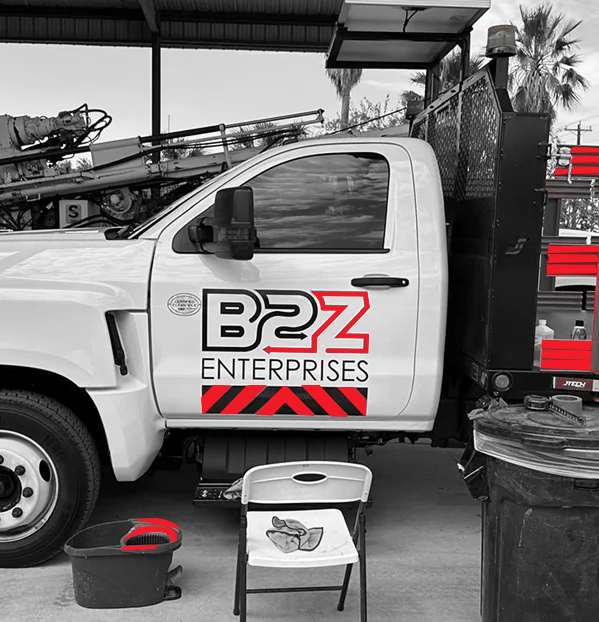
B2Z Enterprises operates across multiple sectors, serving clients who need work done right the first time. No excuses. No cut corners. No surprises on the final invoice. Our team brings decades of combined experience to every job. We’ve built relationships with suppliers, subcontractors, and customers that span years, not months. That stability means we get better materials, better pricing, and better support. You benefit from that.
We’re locally owned and locally accountable. When we take on a project in Oak Hill, we treat it like our own property. That means showing up on time, communicating clearly, and delivering results that hold up long after the crew leaves. Our repeat business numbers speak for themselves. Clients come back because they trust us. They refer friends and neighbors because they know we’ll treat them fairly.
Every project starts with a clear plan and ends with a clean site. We handle the details so you don’t have to. From initial consultation through final walkthrough, our team stays in constant communication. Questions get answered. Changes get addressed. Problems get solved before they become problems. That’s the standard.
Our reputation didn’t happen by accident. It came from years of showing up, doing the work, and treating every client like they’re our only client. That’s not a tagline. It’s how we run our business. When you call B2Z Enterprises, you get a partner who’s invested in your property’s long-term health. We’re not looking for a quick job. We’re looking for a lasting relationship. That’s the Oak Hill way.
🚩 When to Call for Help Immediately
- You see water pooling on your driveway or walkway after a light rain.
- Your pavement makes a hollow sound when you walk on it, indicating a void underneath.
- Your energy bill spiked because a cracked foundation is letting in drafts.
- A small crack has grown noticeably wider over the course of a single week.