
Flagging in Austin, Texas
A small crack today is a costly repair tomorrow. Act now.
If you’ve noticed a small crack in your driveway or a dip in your lawn that wasn’t there last month, the clock is ticking. That minor imperfection is a warning. It means something underneath is shifting, settling, or failing. Ignoring it won’t make it go away. It will only make the repair bigger, the cost higher, and the inconvenience worse.
Flagging is the process of marking underground utilities, property lines, or hazard zones before any excavation or construction work begins. In Austin, where the soil is a mix of clay and limestone, the ground moves with every season. Wet springs swell the clay. Hot, dry summers shrink it. That constant cycle puts stress on everything buried beneath your property. Pipes shift. Cables stretch. Foundations settle unevenly. Flagging is the first step in understanding what’s down there before you dig, drive a stake, or pour concrete.
The problem is that most people don’t think about flagging until something goes wrong. A contractor hits a gas line. A landscaping crew severs a fiber optic cable. A homeowner breaks a water main with a post hole digger. Those moments are expensive. They stop work for days. They create safety hazards. And they are almost always preventable.
Acting early changes the equation. When you schedule flagging before you start a project, you get a clear picture of what’s underground. You know exactly where it’s safe to dig and where you need to work around obstacles. That clarity saves time. It saves money. And it keeps everyone on the job safe.
Think of flagging like checking the oil in your car before a long road trip. You can skip it, and the engine might run fine for a while. But when it fails, the repair bill is ten times what a simple check would have cost. Flagging is the same kind of cheap insurance. A small upfront investment that keeps a small problem from turning into a crisis.
The cost of waiting is not just financial. It’s also the lost time, the frustrated crews, and the angry neighbors when a project grinds to a halt. In Austin, where development is constant and neighborhoods are tight, a stalled project can ripple through an entire block. A missed utility line can shut down a street for hours. A broken water main can flood a yard and damage a foundation.
Every day you delay is a day the ground keeps moving. The crack gets wider. The settlement gets deeper. The risk gets higher. Flagging is not a luxury. It is a necessity for anyone who plans to dig, build, or landscape in Austin. The only question is whether you do it before the problem starts or after it becomes an emergency.
We’ve been doing this work for over a decade. We’ve seen what happens when people skip the flagging. And we’ve seen how smoothly a project runs when it’s done right. The choice is simple: spend a little time and money now to avoid a lot of headache later. Or wait until you’re standing in a hole wondering what you hit.
When Should You Schedule Flagging?
Flagging is not something you schedule on a calendar like a dentist appointment. It’s driven by triggers. Specific signs and situations tell you it’s time to call. If you see any of these, don’t wait.
You need to call if you’re planning any excavation work. That includes digging a foundation, installing a fence, planting trees, running a new gas line, or even putting in a mailbox post. Any time you break ground, you need to know what’s below. The rule is simple: if you’re digging more than a foot deep, flag it first.
You need to call if you see surface changes. Cracks in your driveway or walkway that weren’t there before. Depressions in your yard where the ground has settled. Water pooling in places it never used to. These are signs that something underground has shifted. A pipe may have broken. A cable may have been damaged. Flagging can help identify the source before it gets worse.
You need to call if you’re buying or selling a property. A flagging survey can reveal hidden issues that could affect the sale. A buried oil tank. An abandoned well. A utility line that crosses the property in an unexpected place. Knowing these things upfront saves negotiations from falling apart at the last minute.
You need to call after a major weather event. Austin gets heavy rain in the spring and extreme heat in the summer. Both can shift the ground. A storm can wash out soil, exposing buried lines. A drought can cause the ground to crack and settle. If you’ve had a big rain or a long dry spell, it’s smart to check your property for changes.
You need to call if you’re planning a renovation or addition. Adding a room, a deck, or a patio means digging footings. That means disturbing the ground. Flagging ensures you don’t hit a gas line or an electrical conduit that could stop the whole project.
The best time to schedule is before you need it. Don’t wait until the excavator is sitting in your driveway. Call at least a week before you plan to start work. That gives us time to mark everything clearly and address any surprises. If you wait until the last minute, you’re gambling. And in Austin, the house always wins.
Why Timing Matters for Austin, Texas Residents
Austin’s climate is not forgiving. The soil here is a mix of clay and limestone, and it expands and contracts with every change in moisture. In the spring, heavy rains saturate the ground. The clay swells, putting pressure on buried pipes and cables. In the summer, the heat bakes the soil dry. It shrinks and cracks, creating voids that can cause settling.
This cycle is relentless. It means that underground utilities are under constant stress. A pipe that was fine in March can be broken by August. A cable that was buried securely can shift and become exposed. Flagging before the weather changes gives you a baseline. You know what’s down there and where it is. If something shifts later, you’ll see it because you have a record.
Timing also matters because of Austin’s growth. New construction is happening everywhere. That means new utility lines, new roads, and new developments. If you’re planning a project, you need to coordinate with the city and with utility companies. Flagging early gives you time to get the permits and approvals you need. It keeps your project on schedule and avoids costly delays.
In Austin, the best time to flag is before the ground gets wet in the spring or before it dries out in the summer. That window gives you the most accurate picture of what’s underground. If you wait until the ground is saturated or cracked, the marks may not be as clear. Plan ahead. It saves time, money, and frustration.
The Long-Term Value of Quality Flagging
Flagging is not an expense. It is an investment. The money you spend on a flagging survey is pennies compared to the cost of hitting a gas line or a water main. One mistake can cost thousands in repairs, fines, and lost work time. Flagging eliminates that risk.
Think of it like an oil change. You can skip it for a while, and the car will still run. But eventually, the engine wears out. The repair bill is ten times what the oil change would have cost. Flagging is the same. It’s a small, routine step that prevents a big, expensive problem.
The value goes beyond money. It’s about time. A project that stops because of an underground utility issue can be delayed for days or weeks. That means missed deadlines, angry clients, and lost revenue. Flagging keeps your project moving. It gives you confidence that the ground is safe to work in.
It’s also about safety. Hitting a gas line can cause an explosion. Hitting an electrical line can electrocute a worker. Hitting a water main can flood a site. Flagging protects the people on your crew and the people who live nearby. It’s the right thing to do.
In Austin, where the ground is unpredictable and development is constant, flagging is not optional. It is a requirement for any responsible project. The long-term value is clear: you avoid disasters, you save money, and you keep your project on track. A small investment now pays off big later.
Why We Are the Preferred Choice in Southeast Austin
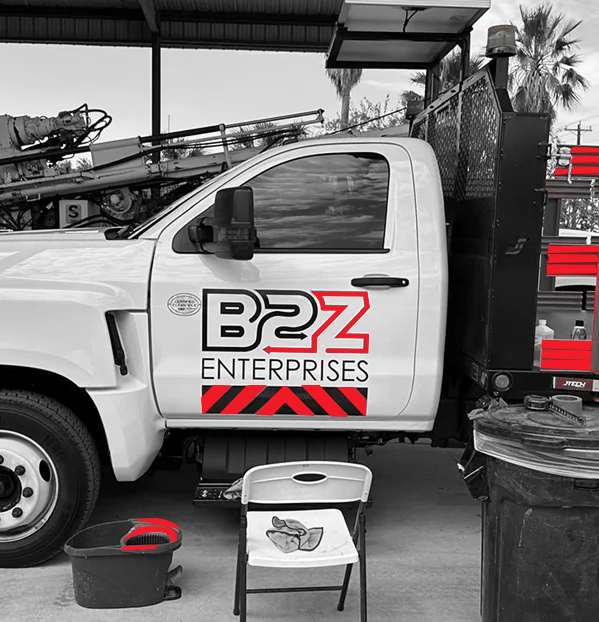
For more than a decade, B2Z Enterprises has operated with a simple standard: do the work right, treat people fairly, and earn the trust we’re given. We’re a family-owned company based right here in our community, and we’ve built our reputation one project, one handshake, and one returning client at a time.
We focus on the kind of work most people don’t think about until something goes wrong. From heavy civil construction and site development to environmental services and utility infrastructure, we handle the jobs that keep communities running. Roads, water systems, storm drainage, grading, demolition — if it moves dirt or moves people, we’ve done it. Flagging is just one part of what we do, but we treat it with the same seriousness as a million-dollar project.
What sets us apart is consistency. We don’t chase every job, and we don’t pretend to be something we’re not. We take on work we know we can execute safely, on budget, and on schedule. That reliability is why general contractors, developers, and municipal agencies keep coming back. They know we show up. They know we finish. And they know we stand behind every mark we put in the ground.
Safety isn’t a slogan here. It’s built into our daily operations. Our team works under strict safety protocols because the people on our crews matter just as much as the clients we serve. We invest in the right equipment, the right training, and the right people. It shows in everything from our OSHA record to the long tenure of our foremen and operators.
Our roots in Southeast Austin run deep. We hire local, partner with local suppliers, and donate time and equipment to causes that matter here. We understand that our work — a new subdivision, a repaired water main, a paved road — directly affects the people who live and work right next door. When you call us for flagging, you’re not just hiring a company. You’re hiring neighbors who care about the community as much as you do.
🚩 When to Call for Help Immediately
- You see water pooling in a spot where it never has before — that’s a broken pipe underground.
- Your yard has a sudden depression or sinkhole — the ground is collapsing into a void.
- You smell gas near your property line — a line may have been ruptured