
Maintenance of Traffic (MOT) Plans

Maintenance of Traffic (MOT) Plans built
for texas roadway projects

TxDOT, FHWA, and MUTCD-compliant traffic control plans coordinate lane closures, traffic shifts, signage, and work zone staging to maintain safe traffic movement
Supporting contractors, municipalities, and infrastructure teams across Texas.

Why contractors choose B2Z

Why Contractors Trust B2Z for Maintenance of Traffic (MOT) Plans

An effective MOT plan must do more than satisfy permitting requirements. It must maintain safe traffic flow while allowing construction crews to work efficiently. B2Z designs MOT plans that are practical, compliant, and ready for real-world implementation in active roadways.

What you get with B2Z
Site-specific layouts Texas-wide support Compliance-first Fast revisions
B2Z Enterprises
  • Plans tailored to roadway conditions and project staging
  • Clear phasing notes contractors can implement in the field
  • Built to align with TxDOT, FHWA, & MUTCD requirements
  • Rapid revisions to adapt to schedule changes
  • Practical layouts that maintain safe traffic flow
Typical MOT plan providers
  • Generic templates with limited project detail
  • Plans that require field interpretation or rework
  • Slow revisions when conditions change
  • Less emphasis on constructability and crew usability
  • Limited coordination with contractors
Need a TxDOT-compliant MOT plan? Tell us about your project and schedule so we can help you get a field-ready plan.

Maintenance of Traffic (MOT) Plans

What is a MOT plan?

A Maintenance of Traffic (MOT) plan defines how traffic will be safely maintained and directed through or around a construction work zone. These plans outline the temporary roadway configuration required while construction activities take place. This includes lane closures, traffic shifts, channelization devices, and signage necessary to guide motorists safely through the work zone. MOT plans are critical for maintaining safe traffic movement while allowing construction crews to complete work efficiently.

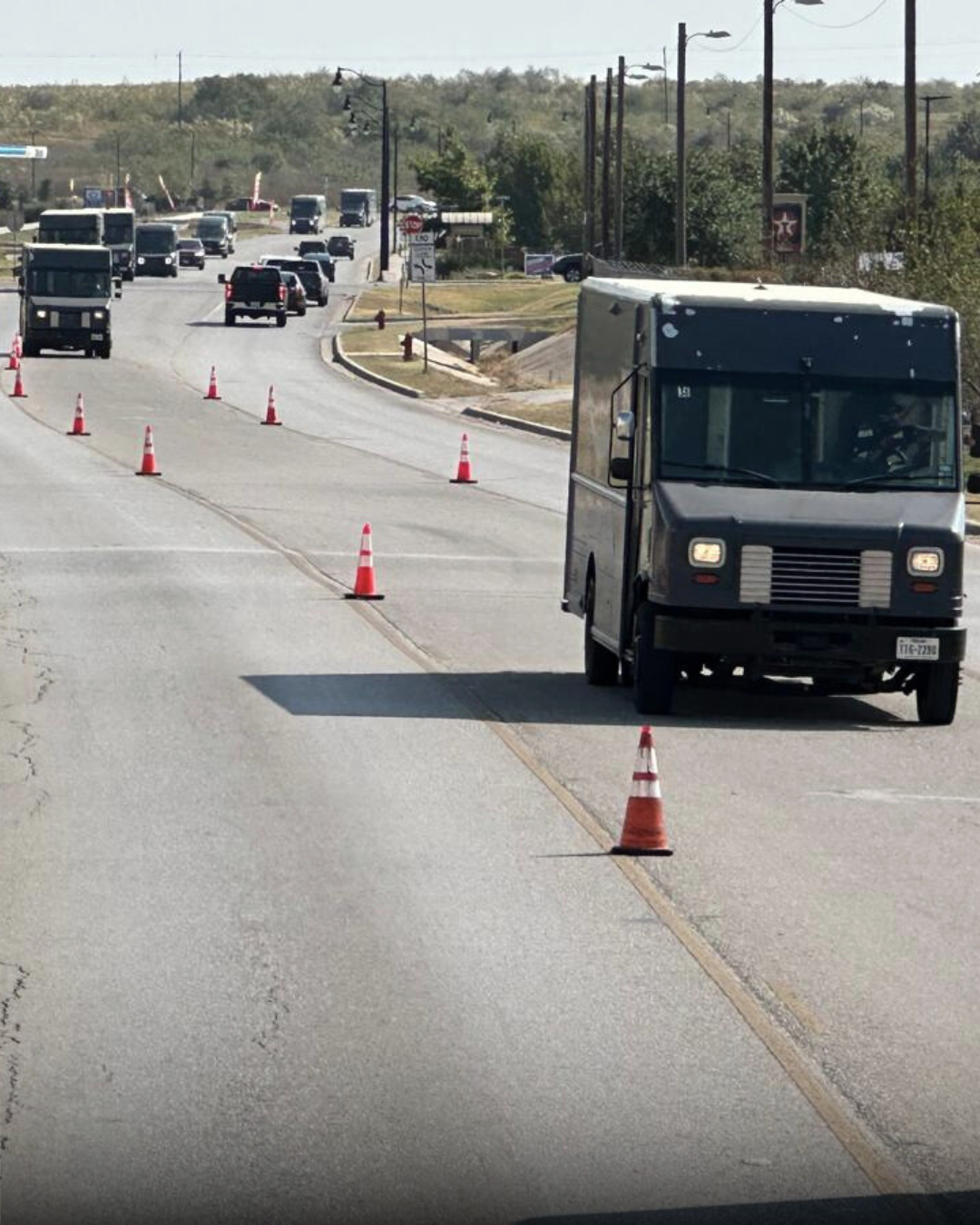
What a MOT plan includes

  • Lane closures and lane shifts
  • Temporary traffic patterns
  • Advance warning signage and placement
  • Channelization devices and spacing
  • Work zone speed management
  • Construction staging phases
  • Pedestrian considerations where required

Why MOT plans matter

  • Maintains safe traffic flow through active work zones
  • Protects construction crews, motorists, and pedestrians
  • Supports compliance with TxDOT, FHWA, and MUTCD standards
  • Reduces project delays caused by traffic disruptions
  • Improves coordination between contractors and engineers
Point of Distinction: Maintenance of Traffic (MOT) planning establishes the overall strategy for maintaining traffic flow during construction, while a Temporary Traffic Control Plan (TTCP) provides the detailed device layouts, staging, and signage required to implement that strategy.
Need a TxDOT-compliant Maintenance of Traffic (MOT) Plan for your project? Our team supports contractors, utilities, and municipalities across Texas.

MINIMIZE RISK.

MAINTAIN TRAFFIC FLOW.

Maintenance of Traffic planning is essential for projects occurring in active roadways. A well-designed MOT plan helps maintain traffic movement while allowing construction crews to work safely. By clearly defining traffic patterns, lane closures, and work zone transitions, MOT plans reduce confusion for motorists and improve safety for crews working near traffic. B2Z develops MOT plans that support safe traffic operations while keeping projects on schedule.

Each plan we design is engineered to meet or exceed relevant safety standards, including TxDOT, FHWA, MUTCD, and OSHA work zone requirements, helping protect crews and maintain predictable traffic flow.

Whether you're overseeing a short-term lane closure or a multi-phase highway reconstruction, our ATSSA-certified Work Zone Traffic Professionals develop practical, site-specific solutions that minimize risk and maintain mobility.

B2Z MOT PLANS INCLUDE

  • Lane closure staging
  • traffic pattern transitions
  • Channelization design
  • Detour routing
  • Pedestrian considerations
  • TxDOT-compliant signage
  • Work zone safety planning

Who Uses Maintenance of Traffic (MOT) Plans?

Maintenance of Traffic plans are required for many types of roadway and infrastructure projects.

Roadway Contractors

Supporting construction staging, lane closures, and traffic flow management during roadway construction projects.

Utility Companies

Coordinating safe traffic control during utility installation, maintenance, and emergency repairs.

Municipal Agencies

Managing roadway improvements, infrastructure upgrades, and maintenance projects.

Infrastructure Developers

Supporting construction staging for large infrastructure and transportation improvements.

Arrow Red Line

Traffic Control Planning for Infrastructure Projects

A Trusted TxDOT Subcontractor

B2Z supports roadway and infrastructure projects across Texas with compliant Maintenance of Traffic (MOT) planning and traffic control coordination. Our team works with prime contractors, municipalities, engineering firms, and developers to deliver practical work zone plans that align with TxDOT and MUTCD requirements and perform reliably in the field.

Where We Add Value

  • TxDOT-aligned MOT planning
  • Clear phasing and traffic flow strategy
  • Field-practical layouts crews can implement
  • Support for roadway, bridge, utility, and municipal projects
  • Flexible teaming for contractors and engineers

Trusted Across Texas

Our plans support highway construction, bridge replacements, utility installations, roadway improvements, and infrastructure upgrades throughout Texas. B2Z brings a contractor-minded approach to work zone planning — focused on safety, compliance, constructability, and responsiveness.

Bottom line: B2Z helps project teams maintain safe traffic flow, support TxDOT compliance, and keep active roadway projects moving efficiently.

Maintenance of Traffic Planning

Frequently Asked Questions

Answers to common questions about Maintenance of Traffic (MOT) plans, work zone planning, and TxDOT-aligned traffic control coordination.

What is a Maintenance of Traffic (MOT) plan?
A Maintenance of Traffic (MOT) plan defines how traffic will be safely maintained and directed through or around a work zone during construction, utility work, or infrastructure improvements. It outlines lane closures, traffic shifts, channelization, signage, and staging required to keep motorists moving safely while crews work.
When is an MOT plan required?
MOT plans are typically required whenever construction or maintenance activity affects normal traffic movement on an active roadway. This can include lane closures, shoulder closures, traffic shifts, detours, utility work, bridge projects, and municipal roadway improvements.
What is the difference between an MOT plan and a TTCP?
A Maintenance of Traffic (MOT) plan focuses on how traffic will continue moving safely through a work zone during construction. A Temporary Traffic Control Plan (TTCP) provides the specific traffic control layouts, devices, and staging details used to implement that strategy in the field. The two work together to support safe and compliant work zones.
Do MOT plans need to align with TxDOT requirements?
Yes. For roadway and infrastructure projects in Texas, MOT plans should align with applicable TxDOT, FHWA, and MUTCD requirements, as well as project-specific work zone safety criteria. Proper alignment helps support compliance, safe traffic movement, and smoother project coordination.
What information is needed to prepare an MOT plan?
Typical inputs include project location, roadway type, work scope, phasing, anticipated lane closures, traffic conditions, construction schedule, and any existing traffic control requirements. The more project detail available upfront, the more efficiently the plan can be developed.
How long does it take to create an MOT plan?
Timing depends on the complexity of the project, roadway conditions, and the level of detail required. Short-duration or straightforward work zones may move faster, while complex phased roadway projects often require additional coordination and review.
Can B2Z support revisions if project conditions change?
Yes. Work zone conditions and project schedules can change, and MOT planning often needs to adapt accordingly. B2Z supports practical revisions that reflect changing field conditions, phasing adjustments, and updated project requirements.
Who uses MOT plans?
MOT plans are used by roadway contractors, municipalities, utility providers, engineering firms, and infrastructure teams managing active work zones where traffic must be maintained safely during construction or maintenance activities.

Serving Traffic Control Projects Across Texas

B2Z Enterprises supports roadway construction and infrastructure projects throughout Texas, including:

  • Rio Grande Valley
  • McAllen
  • Edinburg
  • Brownsville
  • Harlingen
  • Laredo
  • Central Texas
  • San Antonio
  • Austin
  • Houston
