How We Master Flagging in Pharr
One call, three steps, and your site is safe and compliant.
Here’s exactly how we handle flagging in Pharr. You have a project. It needs clear, safe traffic control to keep workers and the public out of harm’s way. The solution isn’t a mystery. It’s a simple, repeatable process we’ve refined over years. First, you call us. We ask a few specific questions about your site on Stewart Road or near the Pharr International Bridge. We need the location, the scope, and the timeline. This isn’t a sales pitch. It’s a diagnosis. Next, we dispatch a local crew from our shop on South Stewart. They show up with the right gear—MUTCD-compliant signs, cones, drums, and high-visibility apparel. They don’t just drop it off. They set it up based on the actual flow of traffic, not a generic plan. Then, we manage it. For the duration of your job, our flaggers or the setup itself becomes the authority on site, directing flow and preventing accidents. Finally, when you’re done, we come back. We break it all down, haul it away, and leave your site clean. Your headache is gone. The process is that straightforward.
The problem with flagging in Pharr is often a mismatch. A crew might have the cones but not the local knowledge of how traffic builds up on Cage Boulevard after 3 PM. Or they use a template plan that doesn’t account for the specific ingress and egress of your property. That creates risk. It can slow your project down with near-misses or, worse, a real incident. Our solution cuts through that. We treat every site as unique. We don’t have a one-size-fits-all kit. We have a system built on observation and adaptation. The first step is always the site assessment. We look at it. We don’t just take your word for the conditions. The second step is the deployment. This is where our local experience pays off. We know how to position a “Road Work Ahead” sign on 281 so drivers actually see it with enough time to react. The third step is the active management or monitored static control. If we have a flagger out there, they’re trained to be proactive, not just a body holding a sign. The final step is the closure. We don’t bill you for equipment left behind. We remove it, and we account for every piece. That’s the complete cycle. That’s how flagging should work.
How It Works: Our 3-Step Success Path
We Assess
We visit your site to map traffic patterns and identify specific hazards before any equipment is placed.
We Execute
Our local crew implements a compliant traffic control plan tailored to your Pharr job site’s real-world conditions.
We Secure
We maintain or monitor the setup for the job’s duration, then remove everything, leaving your site clean and safe.
Our Proven Methodology for Flagging
Our method isn’t theory. It’s built on hands-on experience and a focus on durable, practical solutions. The foundation is the Texas Manual on Uniform Traffic Control Devices (TMUTCD). We don’t just skim it. Our team is trained on the specifics of spacing, sign height, and taper lengths. But books don’t account for Pharr’s reality. That’s where our local expertise takes over. We know that a standard 250-foot taper might work on a county road, but on a busy stretch near the Pharr-Reynosa International Bridge, you need more advance warning. Our tools reflect this precision. We use specific, branded equipment like Carsonite delineator posts and high-intensity prismatic sheeting on signs for maximum visibility in the South Texas sun. We don’t use faded, generic gear. Our cones are weighted to withstand the sudden gusts that come off the plains. Our flaggers wear ANSI Class 3 apparel, which is a step above the basic requirement, because being seen is the whole point.
The training is continuous. It’s not a one-time certificate. We run scenarios based on local intersections like Moorefield and Cesar Chavez. What if a piece of equipment fails? What if traffic backs up past the advance warning area? Our people are drilled on these contingencies. This hands-on approach comes directly from our company principle: do what you say you will do, and do it well. In flagging, that means the plan we submit is the plan we install. There’s no last-minute substitution of cheaper materials. We source our signage and equipment from reliable suppliers, many within Texas, because breakdowns mid-job are unacceptable. The reliability is in the details—using lockable bases for signs so they can’t be easily moved or stolen, applying the correct retroreflectivity tape for night work. From the initial site survey to the final walk-down, every action is geared toward one outcome: a traffic control zone that functions perfectly so your construction or maintenance work can proceed without delay or incident. That’s the quality we deliver.
How Our Process Benefits Pharr, Texas Locals
Our process for flagging in Pharr is built for Pharr. That local focus creates direct benefits for everyone here. First, response time. We’re based on South Stewart Road. If you have an urgent need for traffic control on North Jackson or near PSJA High School, we can often have a crew rolling in under an hour. You’re not waiting on a dispatcher from San Antonio. Second, our techniques are adapted to local conditions. We know the soil. We know how to anchor signs in the sometimes soft, sandy ground near the irrigation canals so they don’t tip over. We understand the traffic pulse—when the shift changes at the industrial parks, when school lets out, when bridge traffic peaks. Our setups account for these rhythms, minimizing congestion for your neighbors. Third, it’s about community safety. A poorly planned traffic control zone isn’t just your problem; it’s a hazard for every driver on that road. Our meticulous approach protects the people who live and work around your site. They might not know our name, but they benefit from our work through smoother, safer daily commutes.
This local operation also means we hire locally. Our flaggers and crew leads are from the Valley. They have a stake in doing the job right because they’re driving these roads too. They’re not temporary workers passing through. They understand the importance of clear communication with residents if a lane needs to be closed on their street. Furthermore, by sourcing materials responsibly and maintaining our equipment meticulously, we reduce waste and avoid leaving a mess. A clean job site after we demobilize means less debris in local drainage ditches, which matters during our heavy rain events. Our process for flagging in Pharr isn’t just a service we sell; it’s a function we perform for the community. We build projects that enhance our shared environment, and that starts with ensuring the work zone itself is safe, efficient, and minimally disruptive. When you hire us, you’re not just getting a vendor. You’re getting a local partner who cares about the outcome for the entire neighborhood.
Helping Pharr, Texas Thrive: The Client Experience
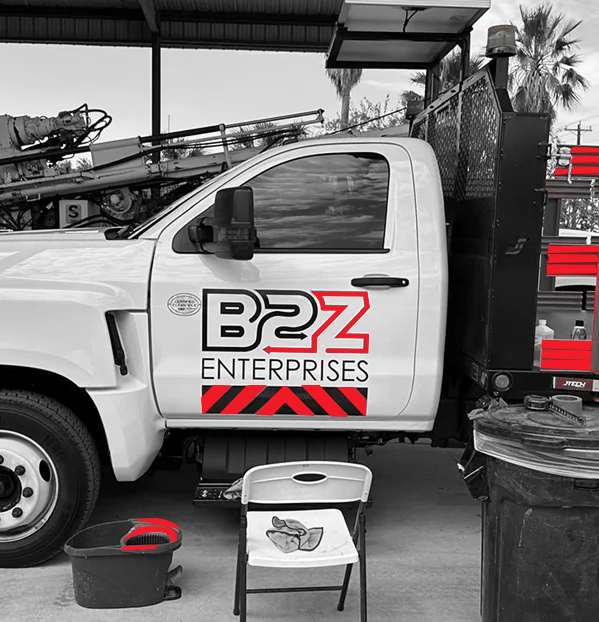
From your first call, the experience is different. You hear a local voice answer the phone. We don’t put you through a maze of options. You explain your project, and we start asking the right questions. You’ll see our response in clear, simple terms—a straightforward quote, a realistic timeline. When our crew arrives, you’ll see branded vehicles and uniformed personnel. It looks professional. It feels organized. You’ll hear direct communication. The crew lead will introduce themselves, confirm the plan, and point out key elements of the setup. There’s no ambiguity. During the work, you’ll feel a sense of control. If you have a question, you call our direct line and get an answer, not a voicemail. If something on site changes, we adapt. You won’t feel like you’re managing us; we’re managing the traffic control for you. The feeling is one of relief. A major logistical and safety concern is now handled by experts who treat your site with the same care they’d want for their own community.
Respect is built into the process. We respect your schedule, so we show up when we say we will. We respect your site, so we keep the work area tidy and coordinate equipment placement with your other trades. We respect the public, so our flaggers are trained to be courteous but firm with drivers. The follow-up is part of the service. When the job is done, we don’t just send an invoice. We confirm that the demobilization was complete and ask for your feedback. Was the communication clear? Did the setup perform as expected? This isn’t a formality. It’s how we maintain the relationships that define our reputation. The client experience with B2Z Enterprises is designed to be simple, reliable, and transparent. You get a predictable process, expert execution, and a single point of contact. You get one less thing to worry about. In the end, what you feel is confidence—confidence that the flagging and traffic control on your Pharr job site is secure, compliant, and managed by people who are invested in getting it right.
🚀 How We Add Value to Your Day
- Local Speed Our Pharr-based team gets to your site faster and understands local traffic patterns immediately.
- Risk Mitigation We use above-standard equipment and training to protect your project from delays and liability.
- Total Handoff From setup to removal, we handle every detail so you can focus on your core work.
Watch
📍 Proudly Serving the Heart of Pharr, Texas
B2Z Enterprises
📞 956-585-3773
Do what we say. Do it well.