
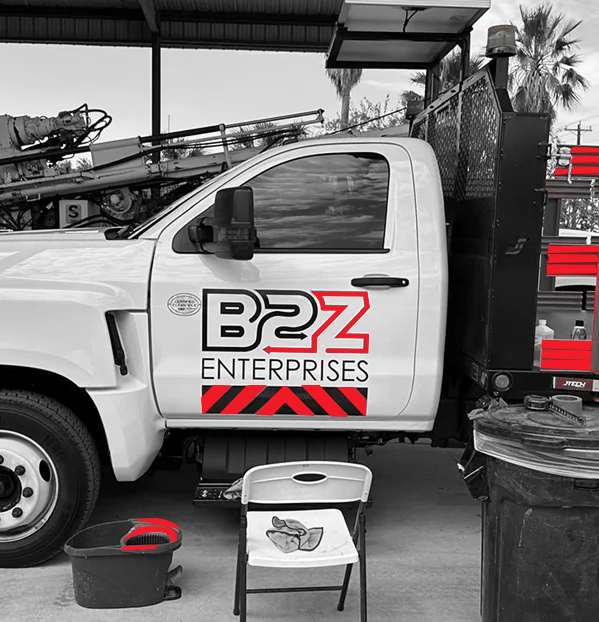
Here’s exactly how we handle flagging in Austin. You need a clear, safe, and enforceable traffic control plan for a construction site or special event. The problem is that poorly executed flagging stops work, creates hazards, and frustrates drivers. We solve that with a straightforward process. First, we talk. You tell us the scope, the timeline, and the specific risks on your site. We listen for the details that matter—lane widths, pedestrian paths, and the rhythm of the neighborhood. Next, we design the plan. We map out where each flagger stands, what signals they use, and how traffic flows around your work zone. Then, we deploy the team. Every flagger arrives with the right gear, the right training, and a clear understanding of the day’s objective. Finally, we wrap up. We confirm the site is secure, collect any feedback, and make sure you’re ready for the next phase. That’s it. No guesswork. No surprises. Just a reliable system that keeps your project moving.
Flagging in Austin comes with its own set of challenges. The traffic patterns shift with events, construction seasons, and weather. A standard plan won’t cut it. We adapt our approach to match the conditions on the ground. For a road repair near downtown, we adjust the signal timing to handle rush hour. For a private development in a residential area, we coordinate with local HOA rules and school bus routes. Every job gets a tailored setup. We don’t use a one-size-fits-all template. We build the plan from the specifics of your site. That means fewer delays, less confusion, and a safer environment for everyone involved. Our team has been doing this long enough to spot the problems before they start. We catch the blind corners, the high-traffic hours, and the pedestrian crossings that need extra attention. Then we fix them in the plan before the first flagger steps onto the pavement.
The process starts with a conversation. You call us, and we ask the right questions. How many lanes need to be closed? What’s the duration of the project? Are there any special events nearby? We take that information and build a preliminary plan. Then we walk the site together—or review the maps if you’re remote. We mark the flagger positions, the cone placements, and the detour routes. Once the plan is set, we mobilize. Our flaggers carry radios, high-visibility vests, stop/slow paddles, and all the signage required by local regulations. They arrive early, set up the zone, and brief the crew. During the operation, we maintain constant communication. If something changes—a sudden rainstorm, an unexpected delivery truck, a shift in traffic volume—we adjust on the fly. The goal is to keep the work moving without compromising safety. At the end of the shift, we break down the zone, check for any leftover debris, and confirm the site is ready for the next phase. We leave it cleaner than we found it.
This approach works because it’s built on experience. We’ve handled flagging for road repairs, utility work, tree removal, and special events. We know the local regulations, the standard signal patterns, and the common pain points. We also know that every site is different. A job on a quiet residential street is not the same as a job on a major arterial road. We treat each one with the same level of attention. The result is a process that feels simple from your side because we’ve handled the complexity on ours. You get a clear timeline, a visible safety zone, and a team that knows exactly what to do. No micromanaging. No last-minute scrambling. Just a smooth operation that keeps your project on track.
We also understand that flagging is not just about traffic. It’s about perception. A well-run flagging operation tells the public that the project is professional and under control. Drivers see clear signals, orderly traffic flow, and a clean worksite. That builds trust. It reduces complaints. It makes the job easier for everyone involved. We take that seriously. Every flagger we send out represents your project and our company. We train them to be courteous, alert, and efficient. They know how to handle frustrated drivers, how to coordinate with emergency vehicles, and how to keep the work zone safe. That’s the standard we set. And we meet it every time.
So when you need flagging in Austin, you know the process. Call us. We’ll walk through the details. We’ll design a plan that fits your site. Then we’ll deploy a team that gets the job done right. It’s that straightforward. And it’s why contractors, property managers, and event organizers keep coming back. They know we deliver what we promise. No excuses. No shortcuts. Just a reliable system that works.
How It Works: Our 3-Step Success Path
We Assess
We review your site, traffic patterns, and project timeline to build a custom plan.
We Set Up
Our team arrives early, positions all equipment, and briefs the crew before work begins.
We Confirm
After the shift, we verify the site is secure and you’re satisfied with the result.
Our Proven Methodology for Flagging
The methodology behind our flagging in Austin is straightforward: plan, execute, verify. It’s a cycle we’ve refined over years of work across commercial and residential projects. We don’t rely on guesswork. Every job starts with a site assessment. We look at the geometry of the road, the volume of traffic, and the specific hazards on site. We check for nearby intersections, school zones, and emergency access points. We also consider the weather—Austin’s heat can affect visibility and equipment durability. Then we build a plan that accounts for all of it. The plan includes the number of flaggers needed, their positions, the signal patterns, and the communication protocols. We use standard flagging signals—stop/slow paddles, hand signals, and two-way radios—to ensure clear communication between the team. Every flagger we deploy has completed the required training and carries the proper certifications. They know the rules of the road and the specific requirements for work zones in Texas.
We also focus on equipment. Our gear includes high-visibility vests, hard hats, flags, paddles, cones, signage, and barriers. We inspect everything before every job. A torn vest or a faded sign gets replaced immediately. We also carry backup radios and extra batteries. There’s no room for equipment failure on a live site. The team is briefed before each shift. We review the plan, the signals, and the emergency procedures. We also discuss the specific challenges of the day—a nearby event, a scheduled delivery, or a weather forecast. Then we set up the zone. Cones go down first, then signage, then the flaggers take their positions. We test the radios. We confirm the plan with the site supervisor. Then we start the operation. During the shift, we maintain constant communication. Flaggers report any issues immediately. We adjust signals as traffic patterns change. We coordinate with the construction crew to keep the work moving.
After the shift, we break down the zone. We collect all equipment, check for damage, and document any issues. We also debrief with the site supervisor. We ask if there’s anything we could have done better. We take that feedback and apply it to the next job. That’s how we improve. It’s not a complicated system. It’s a disciplined one. And it’s why our clients trust us to handle their flagging needs. They know we don’t cut corners. We follow the plan. We communicate clearly. And we deliver a safe, efficient operation every time.
Our team brings practical experience to every job. We’ve handled projects that others walked away from—tight timelines, complex logistics, and demanding conditions. We’ve learned to adapt. We know how to work around unexpected obstacles. We know how to keep the crew safe and the traffic moving. That experience is built into our methodology. It’s not something we can teach in a manual. It’s something we’ve earned on the job. And it’s something we bring to every site we work on.
How Our Process Benefits Austin, Texas Locals
Our process is built for Austin. The city’s traffic patterns are unique. The mix of commuters, tourists, and event traffic creates a dynamic environment that changes by the hour. We understand that. We’ve been working in this area long enough to know the difference between a weekday morning on South Congress and a Saturday afternoon near Zilker Park. That local knowledge shapes every plan we create. We know which intersections get backed up. We know where the pedestrian traffic is heaviest. We know the school zones and the hospital access routes. We use that information to design flagging plans that minimize disruption and maximize safety.
For Austin residents, that means fewer delays and less frustration. When we set up a work zone, we keep traffic moving as smoothly as possible. We adjust signals to match the flow. We coordinate with local businesses to maintain access. We also communicate with nearby residents if the work affects their street. We believe in being a good neighbor. We don’t want to add to the stress of daily life. We want to make the project as easy as possible for everyone involved. That’s why we focus on efficiency. We get in, do the work, and get out. The faster we complete the job, the faster the road returns to normal. That’s a benefit for everyone in Austin.
We also adapt to local conditions. Austin’s heat and humidity can be brutal. We schedule shifts to avoid the hottest part of the day when possible. We provide water breaks and shade for our team. We also use equipment that holds up in the sun—faded cones and signs are replaced regularly. Our goal is to maintain a professional appearance and a safe operation regardless of the weather. That commitment to quality is what sets us apart. We don’t just show up. We show up prepared.
Helping Austin, Texas Thrive: The Client Experience
From the first phone call to the final site walk, our clients experience a process that is straightforward and respectful. You call us, and we answer. No voicemail loops. No automated menus. A real person picks up and asks how they can help. We listen to your needs, ask clarifying questions, and give you a clear estimate of time and cost. We don’t upsell. We don’t add hidden fees. We tell you what the job will cost, and that’s what you pay. Then we schedule the work at a time that works for you. We show up on time, every time. Our team arrives with all the necessary equipment and a clear plan. We introduce ourselves to the site supervisor. We explain what we’re going to do and how long it will take. Then we get to work.
During the operation, you can focus on your project. We handle the traffic control. We manage the signals. We respond to any issues that arise. You don’t have to worry about whether the flaggers are in the right position or if the signage is adequate. We’ve got it covered. We communicate with you regularly, but we don’t interrupt your work. We send updates when something changes. We ask for input when it matters. Otherwise, we let you do your job. That’s the experience we aim for: a seamless integration of our service into your project. You barely notice we’re there, except that the traffic is moving safely and the work zone is secure.
At the end of the shift, we break down the zone. We check for any debris. We confirm the site is safe. Then we check in with you. We ask if everything went well. We ask if there’s anything you need for the next phase. We leave you with a clean site and a clear path forward. We also follow up the next day. We send a quick message to make sure everything is still on track. We want to know if any issues came up after we left. That follow-up is part of our commitment to accountability. We don’t disappear after the job is done. We stay available.
The client experience is built on respect. We respect your time. We respect your project. We respect the community we’re working in. That’s why we communicate clearly, act professionally, and deliver on our promises. Our clients tell us they appreciate the simplicity. They don’t have to micromanage. They don’t have to chase us down. They just call, we show up, and the job gets done. That’s the kind of service we’re proud to provide.