
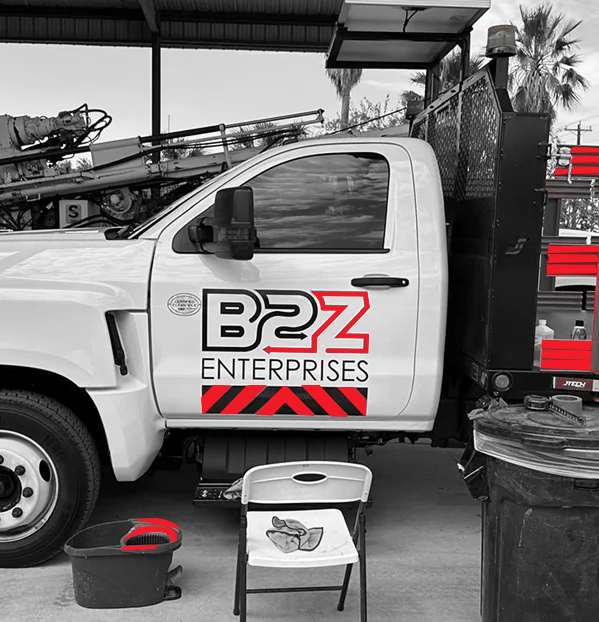
Here’s exactly how we handle Flagging in Austin. You have a project that needs proper marking and identification. Maybe it’s a new construction site, a utility line installation, or a commercial renovation. The problem is straightforward: you need the ground marked accurately so work can proceed without delays, fines, or safety issues. The solution is simpler than you think. We break it down into a repeatable process that takes the guesswork out of the equation.
First, we start with a conversation. You call us or fill out a quick form. We ask the right questions: What’s the scope of the project? Where are the boundaries? What utilities are involved? This isn’t a sales call. It’s a fact-finding mission. We need to understand the terrain before we can mark it. We listen more than we talk. That’s how we get the details right the first time.
Next, we schedule a site visit. Our team shows up when we say we will. No window of four hours. No “we’ll be there between 8 and 5.” We give you a time, and we hit it. On-site, we walk the entire area. We check for existing markers, utility maps, and any hidden challenges. We take notes. We take photos. We build a mental map of what needs to happen. This step is critical. It’s where we catch problems before they become your problems.
Then we get to work. Our team uses industry-standard equipment and techniques to mark the ground. We use color-coded flags and spray paint that follow the APWA (American Public Works Association) uniform color code. Red for electric. Yellow for gas. Orange for communications. Blue for water. We don’t guess. We follow the standards. Every flag we place is deliberate. Every line we paint is precise. We work methodically across the site, verifying each mark against the original plan.
Finally, we document everything. We create a clear record of what was marked and where. This isn’t just for our files. It’s for you. You get a report that shows exactly what we did. If a question comes up later, you have the answer. No chasing down details. No “I thought you marked that.” The documentation is part of the service, not an add-on.
That’s the process. Simple, direct, and repeatable. We’ve used it on hundreds of sites across Austin. It works because we stick to it. No shortcuts. No cutting corners. Just a clear path from problem to solution.
How It Works: Our 3-Step Success Path
We Assess
We start with a site walk and a conversation to understand exactly what needs marking.
We Mark
Our team uses APWA standards to place flags and paint with precision and accuracy.
We Verify
We document every mark and provide a clear report so you have peace of mind.
Our Proven Methodology for Flagging
The technical side of flagging is where experience separates the pros from the amateurs. It’s not just about sticking a flag in the ground. It’s about reading the site, understanding the underground infrastructure, and knowing where to place each mark so it’s useful and accurate. Our team brings decades of combined experience to every job. We’ve worked on everything from small residential lots to large commercial developments. That breadth of experience means we’ve seen the edge cases. We know how to handle the unusual situations that throw off less experienced crews.
We use tools that are built for the job. Our flagging equipment includes high-visibility flags that hold up in rain and sun. We use spray paint that’s designed for ground marking, not the stuff from the hardware store. It lasts longer and stays visible through the life of the project. We also carry utility locators and ground-penetrating radar when the situation calls for it. Not every job needs that level of tech, but when it does, we have it.
Training is a big part of our methodology. Every member of our team goes through regular refreshers on APWA standards and local codes. We don’t assume someone knows the rules because they’ve been in the industry for years. We verify. We test. We make sure everyone is on the same page. That’s how we maintain consistency across every site.
Quality control is built into every step. After we finish marking, we do a walkthrough with a second set of eyes. One person marks. Another checks. It’s a simple system that catches errors before they cause problems. We also cross-reference our marks against the original site plan. If something doesn’t line up, we stop and figure out why. We don’t move forward until we’re confident.
This methodology isn’t theoretical. It’s been tested on real sites in real conditions. It works because it’s built on fundamentals: know the site, use the right tools, follow the standards, and double-check the work. That’s it. No magic. Just solid process.
How Our Process Benefits Austin, Texas Locals
Austin’s growth has been relentless. New construction is happening everywhere, from the Mueller development to the South Congress corridor. With that growth comes complexity. Underground utilities are dense. Soil conditions vary. City codes are specific. Our process is built for this environment. We know the local utility providers. We know the inspection requirements. We know the common issues that pop up in different parts of town.
For Austin residents and business owners, that local knowledge translates directly into faster turnaround times. We don’t waste time figuring out who to call or what permits are needed. We already know. That means your project stays on schedule. No unexpected delays because we had to research the local rules.
Our process also reduces the risk of utility strikes. Austin’s underground is crowded. Hitting a gas line or a fiber optic cable is expensive and dangerous. Our methodical approach to marking minimizes that risk. We take the time to get it right so you don’t have to worry about the cost of a mistake.
We’re local. We’re invested in this community. When we do a good job, it’s not just a transaction. It’s our reputation. We want the next person who drives down that street or walks into that building to see work that was done right. That’s the standard we hold ourselves to.
Helping Austin, Texas Thrive: The Client Experience
The client experience starts the moment you reach out. We answer the phone. Not a voicemail system that routes you through three menus. A real person who can answer your questions. We listen to what you need and give you a straight answer about what we can do. No overpromising. No vague timelines. Just honest communication.
When we show up on site, you’ll notice the difference. Our crew arrives on time and ready to work. We’re not rushing. We’re not dragging. We’re focused. We greet you, confirm the plan, and get started. You can watch us work or go about your day. Either way, you know what’s happening.
During the marking process, we’re quiet and efficient. We communicate with each other using hand signals and short calls. It’s not loud. It’s not disruptive. It’s just work being done the right way. You’ll see the flags go up in an orderly pattern. You’ll see the paint lines that follow the plan. It’s a visual confirmation that things are moving forward.
After we finish, we walk the site with you. We show you what we did and explain the markings. If you have questions, we answer them. No jargon. No confusing technical talk. Just clear explanations. Then we hand over the documentation. It’s a simple packet that shows the date, the marks, and any notes about the site. You keep it for your records.
Follow-up is part of the deal. If something changes on the site, call us. We’ll come back and adjust the markings. No hassle. No extra charge for small changes. We want the job to be right from start to finish.
That’s the experience. Respectful. Professional. Clear. It’s how we treat our neighbors. It’s how we treat our clients. It’s the only way we know how to work.
🚀 How We Add Value to Your Day
- On-time arrival We show up when we say we will, no excuses.
- Clear documentation You get a report of every mark we made.
- No guesswork Our process follows APWA standards every time.
Watch
📍 Proudly Serving the Heart of Austin, Texas
B2Z Enterprises
📞 956-585-3773