
Flagging in Austin, Texas
See a crack forming? The clock is ticking on that repair.
If you’ve noticed a hairline crack in your concrete slab that wasn’t there last month, the clock is ticking. That thin line isn’t a cosmetic issue. It’s a structural signal that something beneath the surface has shifted. The ground under your foundation moves constantly. When it moves unevenly, the concrete above it takes the stress. A crack is the first visible sign that the stress has exceeded the material’s limit. Ignoring it for another season turns a simple fix into a major repair. You don’t need to panic. But you do need to act before the next rain or freeze cycle makes the problem worse.
The same logic applies to a door that starts sticking. That door used to swing freely. Now it drags against the frame. That’s not bad luck. That’s the foundation shifting under the doorway. It’s a slow process, but it’s not stopping on its own. The longer you wait, the more the frame warps, the more the drywall cracks, and the more the cost climbs. A sticking door is a cheap warning. A cracked foundation wall is an expensive consequence.
Flagging is the process of identifying these problem spots before they turn into emergencies. It’s not a full repair. It’s a diagnostic step. A trained eye walks your property, marks the trouble areas, and gives you a clear picture of what’s happening. Think of it like an oil change for your foundation. You don’t wait until the engine seizes. You change the oil on a schedule. Flagging works the same way. It catches the small problems while they’re still small.
Most homeowners don’t think about their foundation until something obvious breaks. A window that won’t close. A gap between the baseboard and the floor. A crack that runs from the corner of a window down to the sill. These aren’t separate issues. They’re all symptoms of the same root cause. The ground is moving, and the structure is responding. Flagging gives you a map of that response. It tells you where the movement is concentrated and how fast it’s progressing.
The cost of flagging is small compared to the cost of ignoring it. A single foundation repair can run tens of thousands of dollars. A flagging inspection is a fraction of that. It’s the difference between patching a leaky pipe and replacing the entire plumbing system. One is a minor inconvenience. The other is a major project that disrupts your life for weeks.
The right time to schedule flagging is before you see the damage. But if you’re reading this, you’ve probably already spotted something. That’s fine. The second-best time is right now. Don’t wait until the crack is wide enough to fit a coin. Don’t wait until the door won’t close at all. Call us today. We’ll come out, take a look, and tell you exactly what you’re dealing with. No sales pitch. Just straight talk about what needs to happen next.
Every season that passes without a check is a season where the problem gets worse. The soil expands when it’s wet and contracts when it’s dry. That constant cycle puts pressure on your foundation. Flagging tracks that pressure. It gives you a baseline so you can measure change over time. Without that baseline, you’re guessing. And guessing costs money.
When Should You Schedule Flagging?
You need to call if you see any of these signs. A crack wider than a credit card is a clear signal. That’s not a hairline. That’s a gap. It means the ground has moved enough to separate the concrete. You need to call if you hear a popping sound when you walk across a certain spot in the floor. That sound is the slab settling unevenly. It’s a warning that the stress is building. You need to call if a door or window that used to work fine now sticks or won’t latch. That’s the frame shifting. It’s not a hardware problem. It’s a foundation problem.
You need to call if you notice gaps between the wall and the ceiling. That’s the structure pulling apart. It’s not a drywall issue. It’s a structural issue. You need to call if your floors feel uneven. A marble that rolls to one corner of the room is not a design feature. It’s a sign that the slab has tilted. You need to call if you see water pooling around the foundation after a rain. That water is softening the soil and making the problem worse.
You need to call if it’s been more than two years since your last inspection. Foundations don’t stay still. They move constantly. A two-year gap is long enough for a minor issue to become a major one. You need to call if you’re planning to sell your home. A foundation issue is a deal-breaker for most buyers. Getting it flagged and addressed before you list saves you from last-minute negotiations.
You need to call if you’ve had recent landscaping work that changed the drainage around your house. New soil, new grading, new retaining walls—all of these can redirect water in ways that affect your foundation. You need to call if you’ve had a drought followed by heavy rain. That rapid change in moisture content is one of the most common triggers for foundation movement. You need to call if you see cracks in the brick veneer or siding. That’s the outer layer telling you something is wrong underneath.
The rule is simple. If something looks different than it did last year, get it checked. If something sounds different, get it checked. If something feels different underfoot, get it checked. Flagging is cheap. Foundation repair is not. Don’t gamble on the difference.
Why Timing Matters for Austin, Texas Residents
Austin’s climate is a beast. We get long, dry summers that bake the clay soil into a hard, cracked crust. Then the fall rains come, and that same soil swells like a sponge. That expansion and contraction cycle puts enormous stress on your foundation. The ground under your house is constantly pushing and pulling. Flagging in late summer, just before the rainy season starts, gives you a clear picture of how your foundation has handled the dry months. It’s the best time to catch cracks that opened during the drought before the rain widens them.
Winter freezes in Austin aren’t as brutal as up north, but they’re enough to cause problems. A single hard freeze can turn a hairline crack into a gap. Water seeps in, freezes, expands, and pushes the concrete apart. Flagging before the first freeze gives you a chance to seal those cracks and prevent the freeze-thaw damage. Spring is another critical window. The ground is saturated from winter rains. The soil is at its heaviest. Flagging in spring tells you how your foundation handled the wet season and whether any new movement has started.
Austin’s rapid development also plays a role. New construction nearby can change the water table and the soil composition. If a neighbor is building a new home or adding a pool, the excavation can shift the ground under your property. Flagging after nearby construction projects is smart insurance. Don’t wait for the damage to show up. Stay ahead of it.
The Long-Term Value of Quality Flagging
Think of flagging like a dental checkup. You don’t wait until your tooth hurts to see the dentist. You go every six months so the dentist can catch the cavity while it’s still small. Flagging is the same thing. A small crack that costs a few hundred dollars to fix today can turn into a foundation replacement that costs tens of thousands tomorrow. The ROI on a flagging inspection is enormous. You’re paying a small fee to avoid a massive bill.
The value goes beyond money. A stable foundation means your home stays comfortable. No drafts from gaps around windows. No sticking doors that make you angry every time you walk through them. No sloping floors that make furniture wobble. A well-maintained foundation keeps your home’s value high. When it comes time to sell, a clean inspection report is a major selling point. Buyers don’t want to inherit a foundation problem. They want a house that’s ready to move into.
Flagging also protects your other investments. A cracked foundation can lead to plumbing leaks as the pipes shift. It can cause roof damage as the walls move. It can ruin your landscaping as the ground settles unevenly. A small investment in flagging protects all of those things. It’s the cheapest insurance you can buy for your home.
The bottom line is simple. Don’t let a small problem become a big one. Schedule your flagging inspection now. It’s quick, it’s affordable, and it gives you peace of mind. You’ll sleep better knowing exactly what’s happening under your house.
Why We Are the Preferred Choice in Northwest Austin
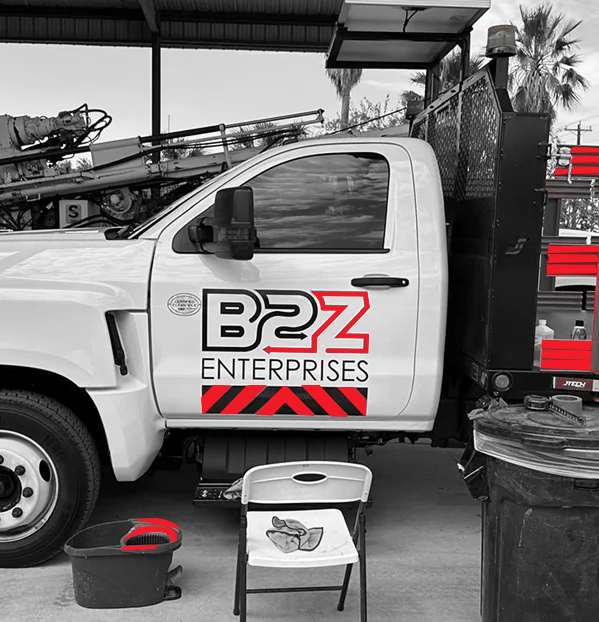
At B2Z Enterprises, we’ve built a reputation on straightforward construction work and honest client relationships. Our firm has been a fixture in this community for years, handling projects that range from modest residential renovations to large-scale commercial builds. We don’t chase trends or claim to do things no one else can. We show up on time, communicate clearly, and deliver results that hold up.
Our team consists of experienced tradespeople and project managers who understand that a building isn’t just materials and blueprints. It’s where people live, work, and raise their families. That perspective guides every decision we make. When we pour a foundation, frame a wall, or install a roof, we do it knowing the people who rely on that structure are counting on us to get it right.
Over the years, we’ve earned the trust of local businesses, homeowners, and municipal clients. Some of our best project leads still come from referrals. That matters to us. It means we’ve done what we set out to do: built something durable and valuable for our clients and our community.
We keep our operations lean and our standards high. We don’t overpromise. We do what we say we will, for a fair price, and we stand behind our work. That’s B2Z Enterprises. That’s how we’ve operated from day one, and that’s not changing.
🚩 When to Call for Help Immediately
- You see a crack wider than a quarter inch in your foundation wall.
- Your front door won’t close without a hard shove.
- Your energy bill spiked for no reason, and you can feel a draft near the baseboards.
- A small crack you noticed last month has visibly grown longer or wider.